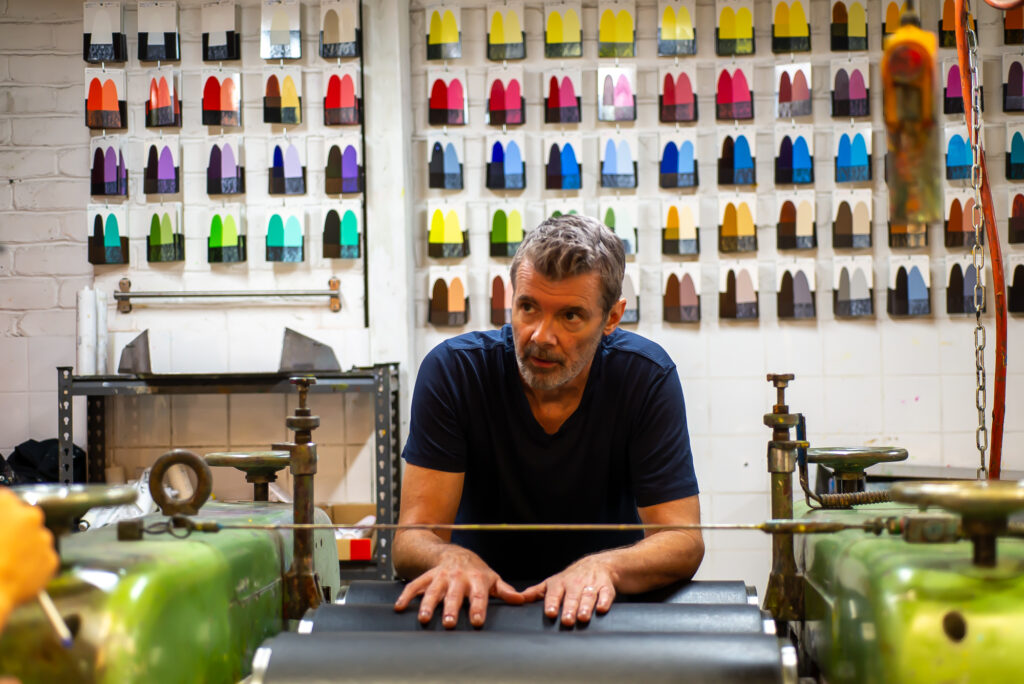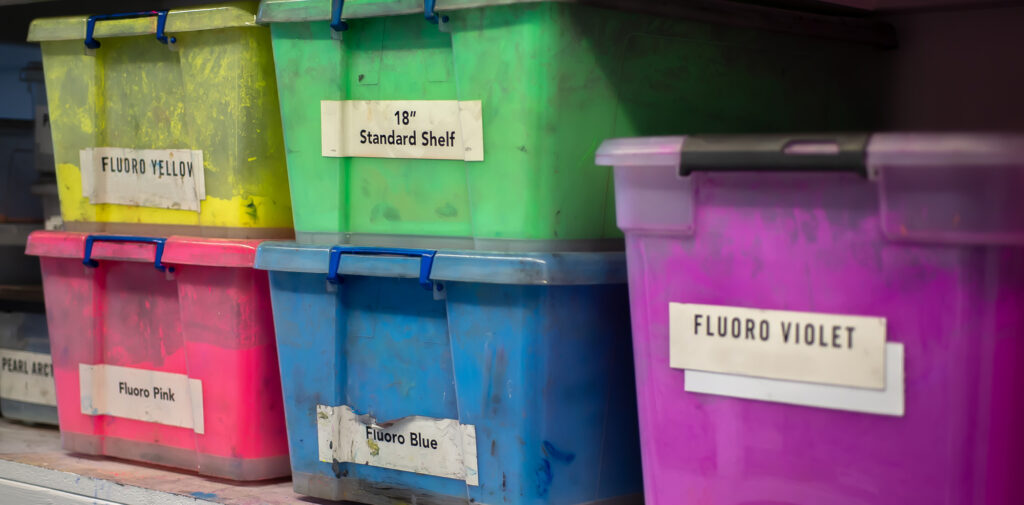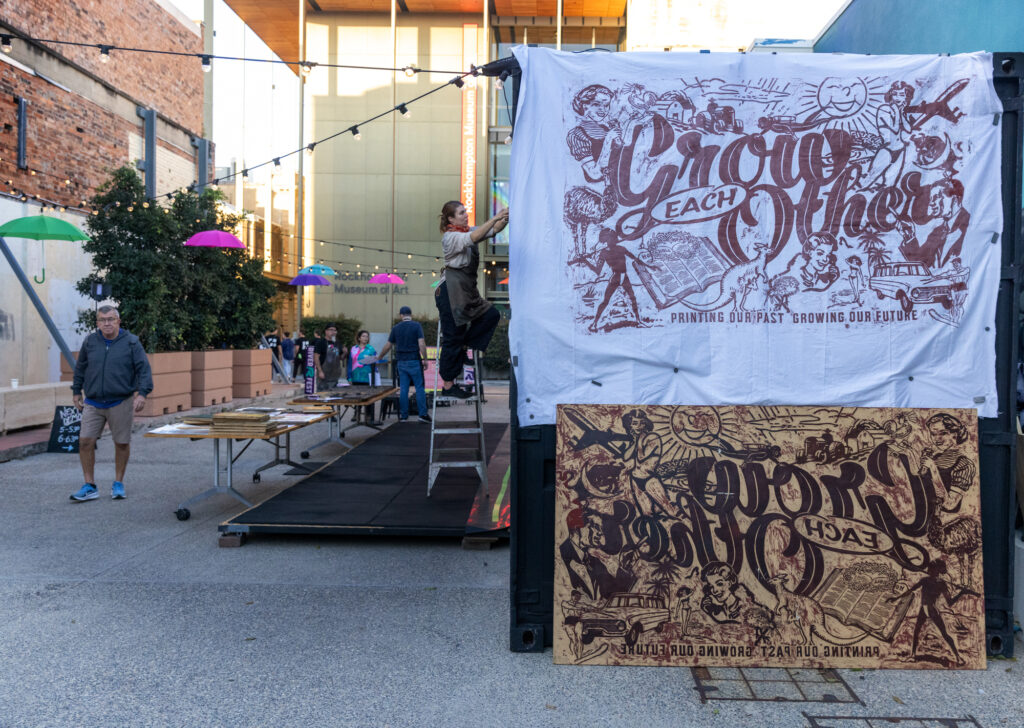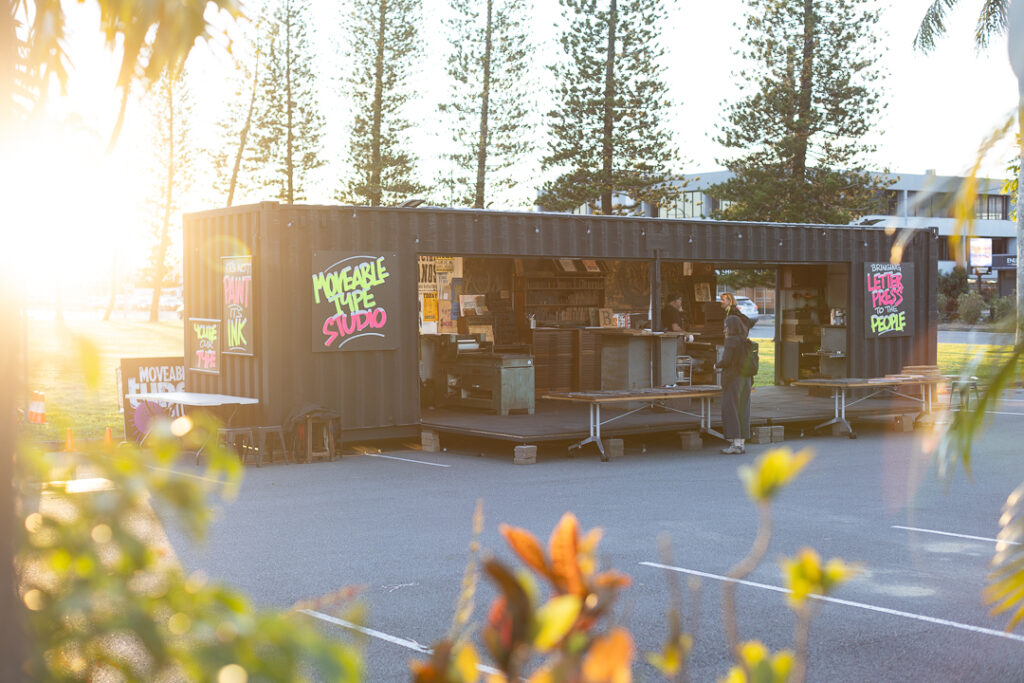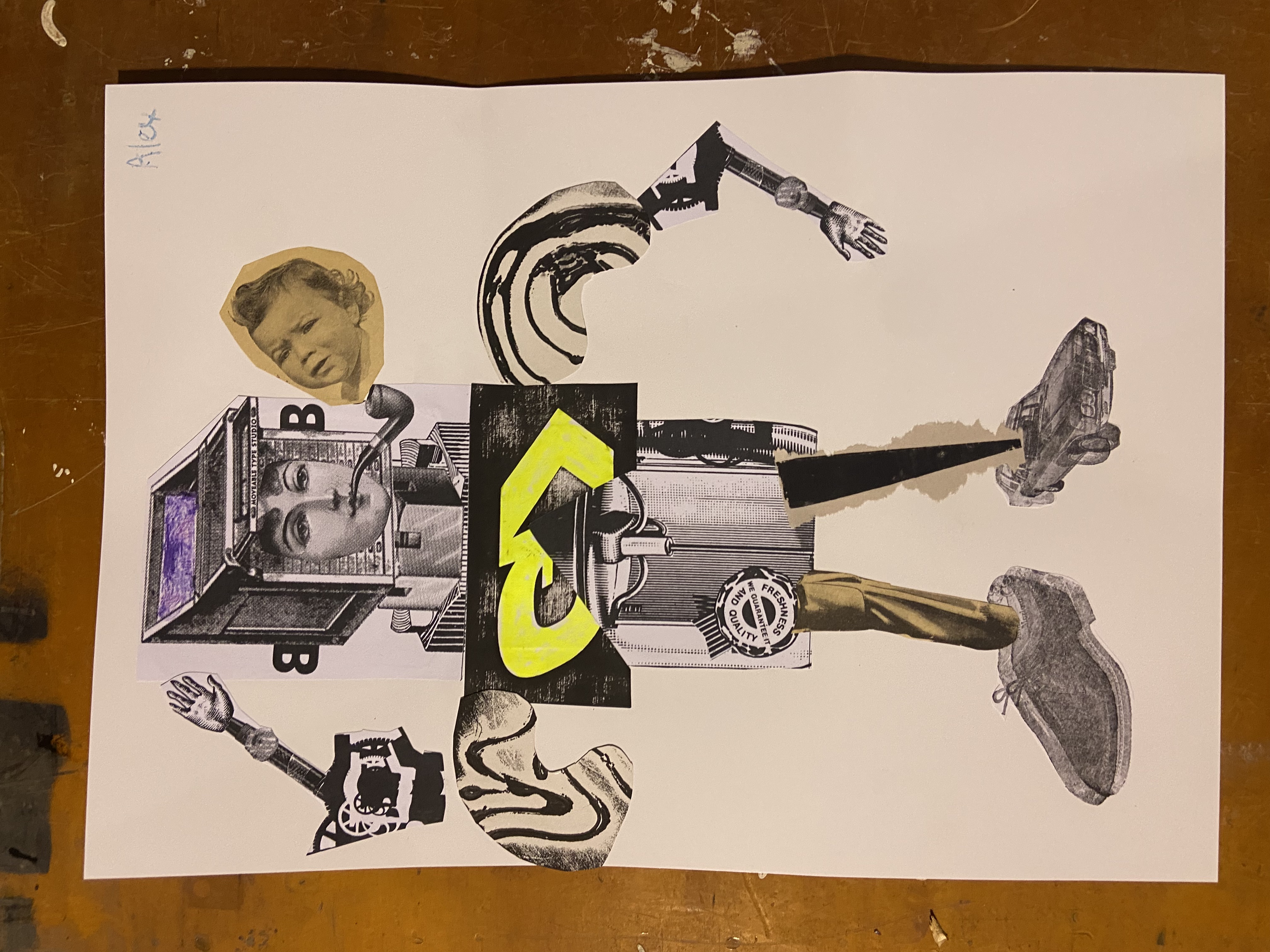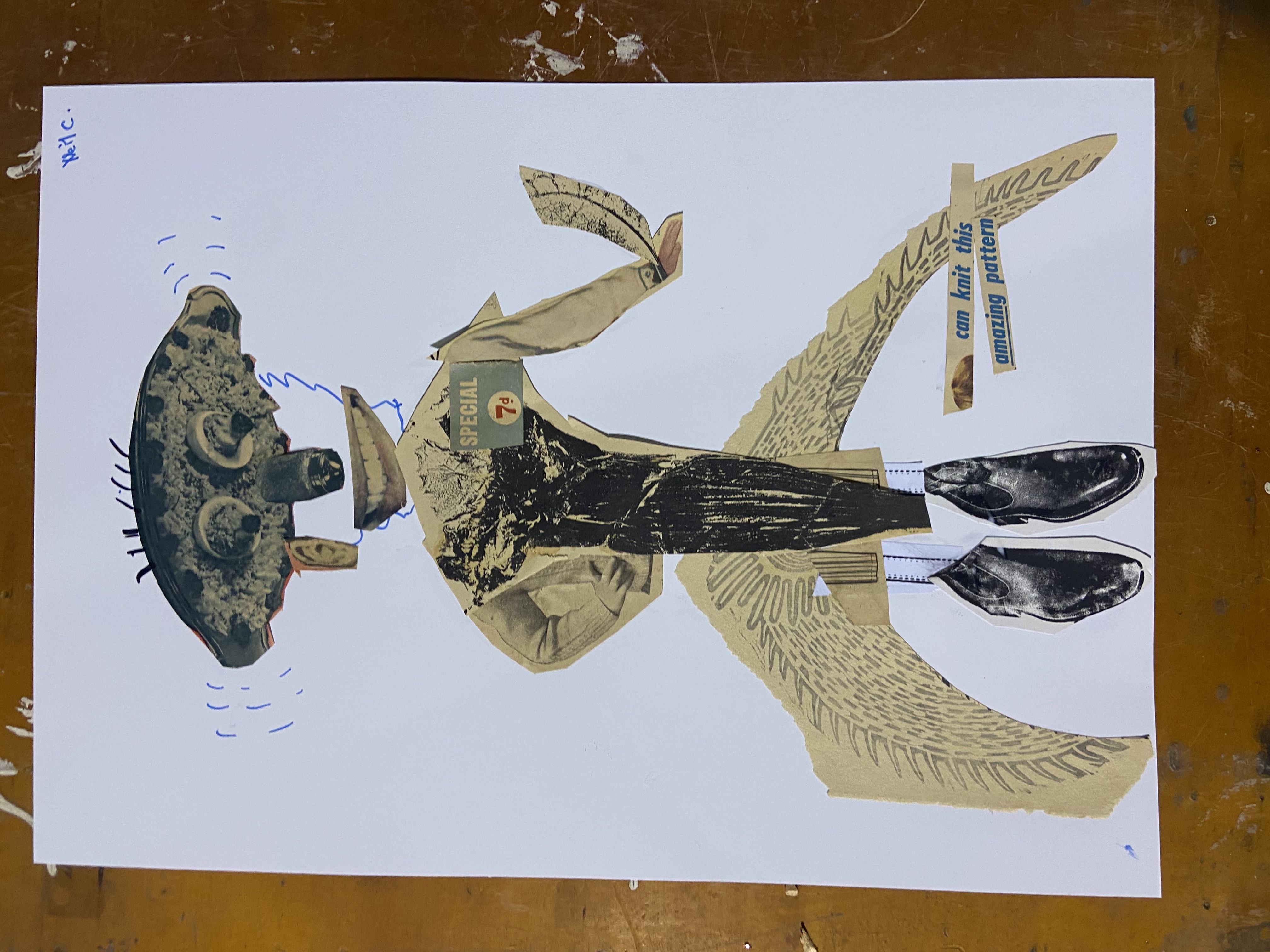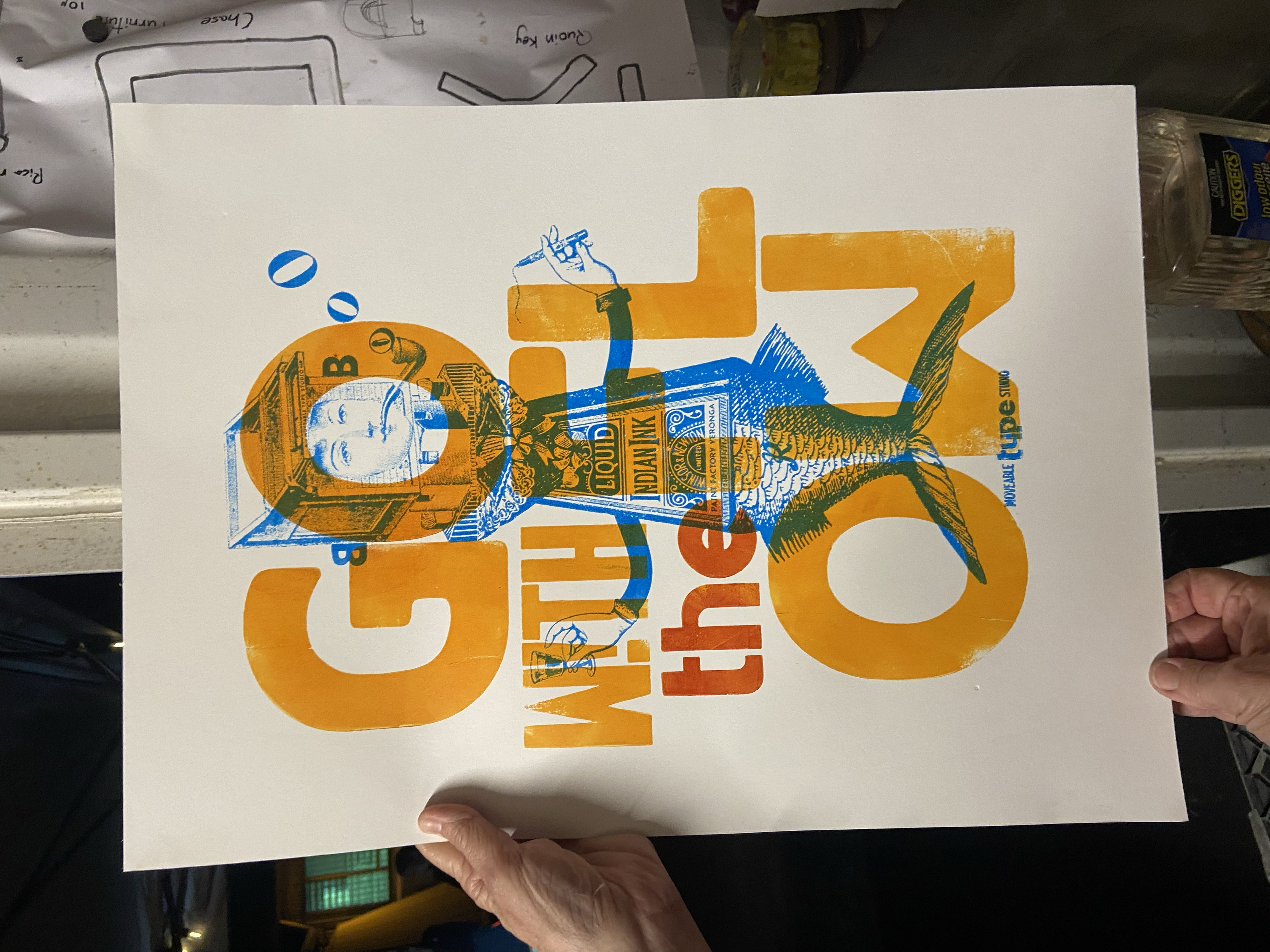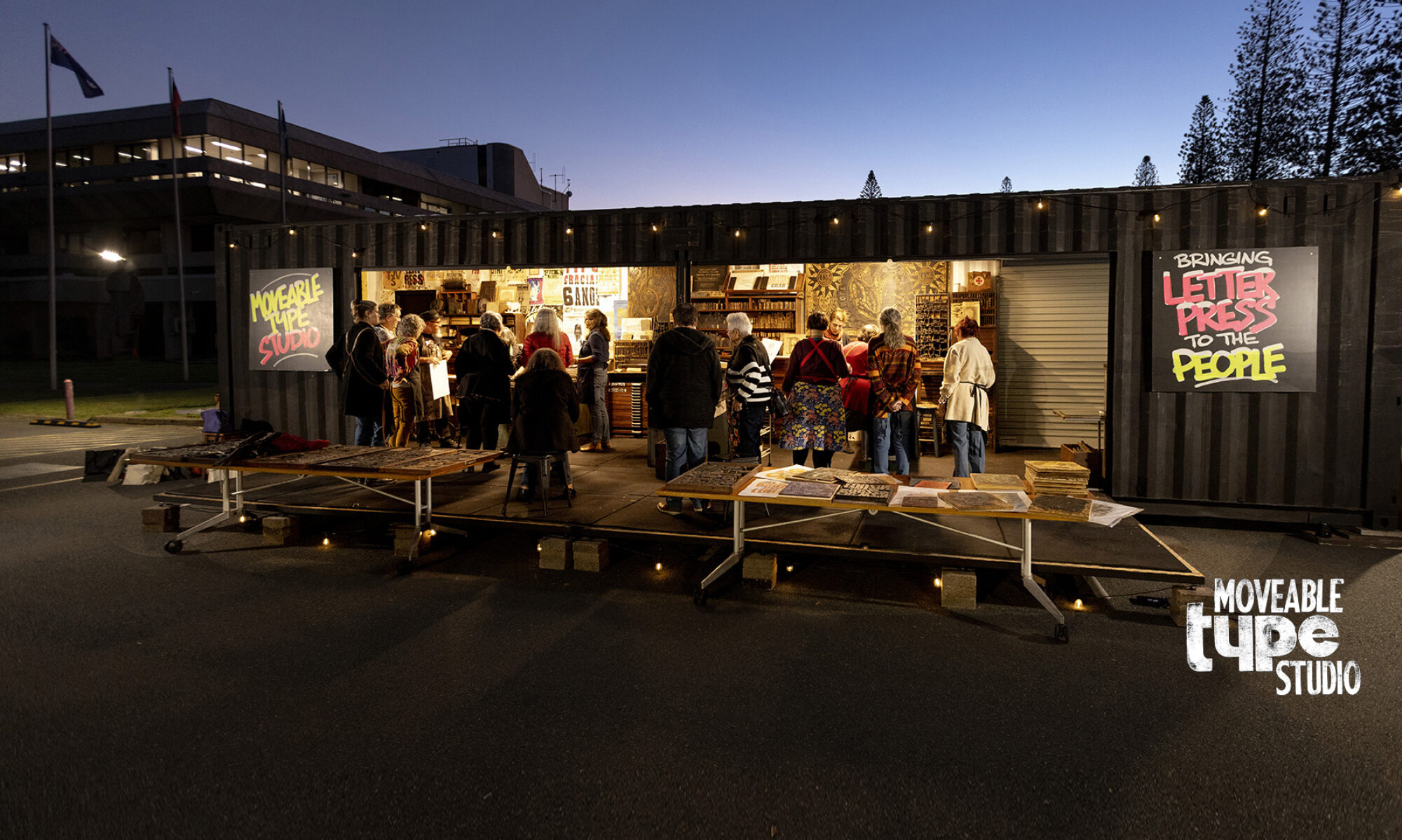
Research that steps off the page and turns into something people can actually hold in their hands. That’s the heart of what Moveable Type Studio is about. Activating collections, connecting real people to history, and the stories woven through them.
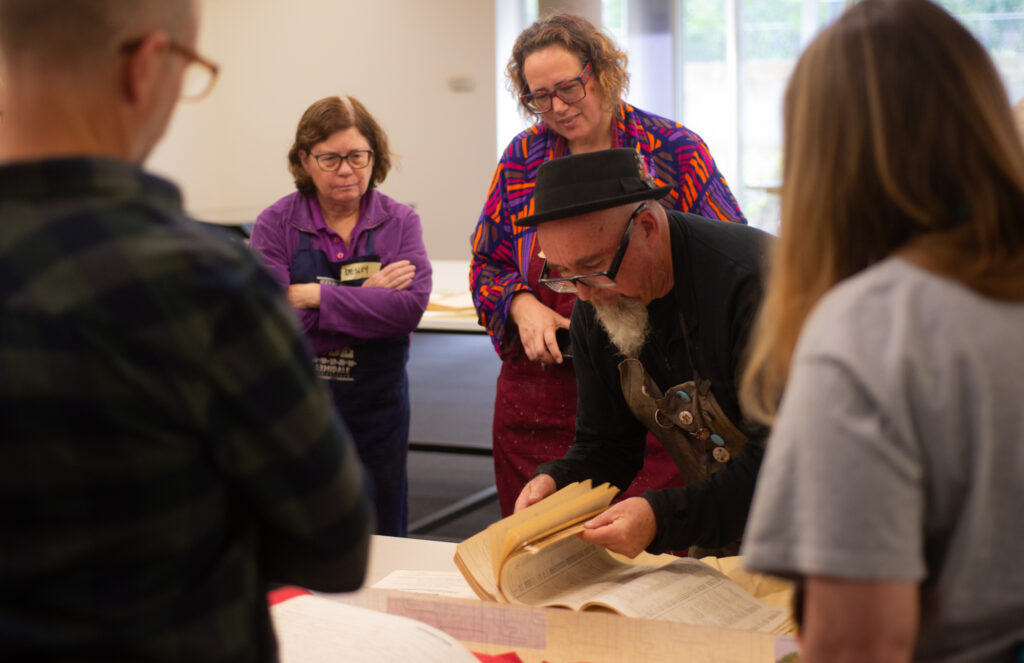
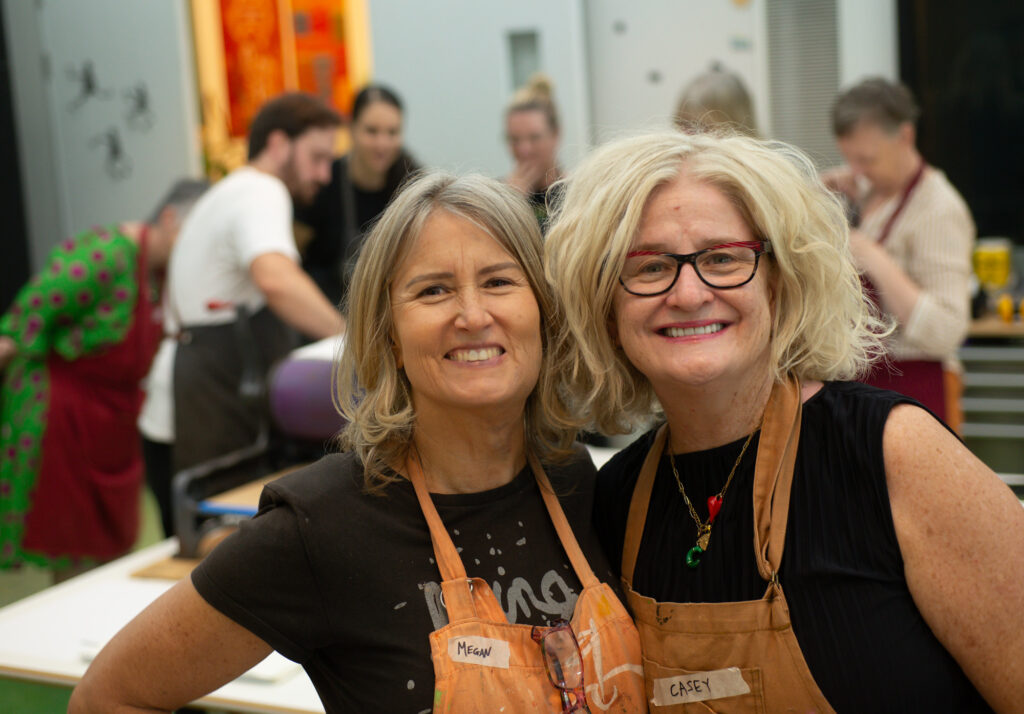
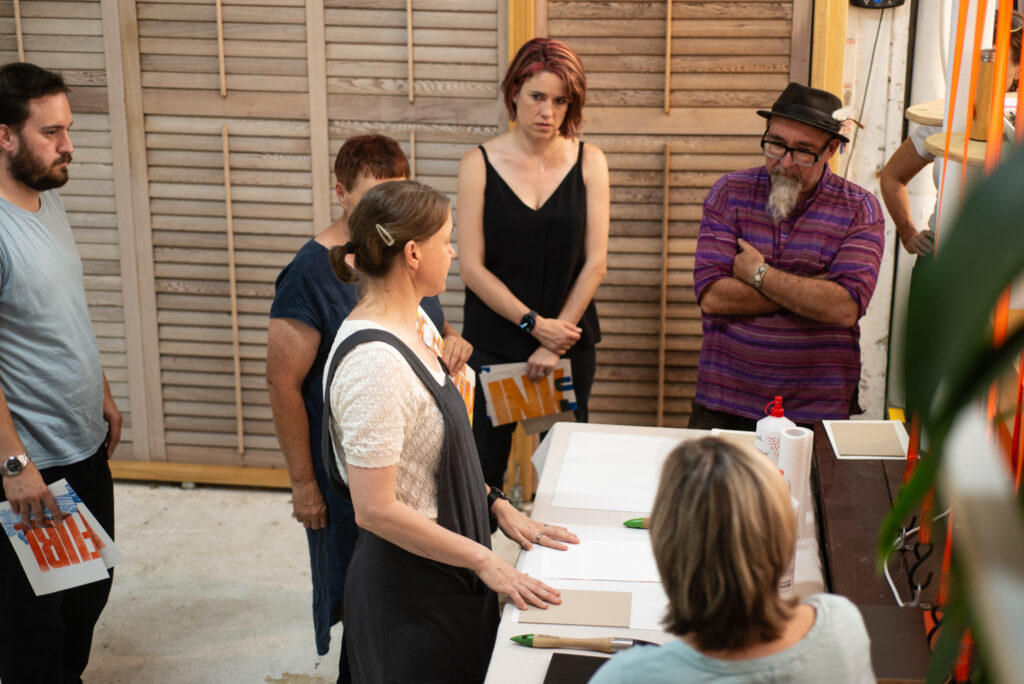
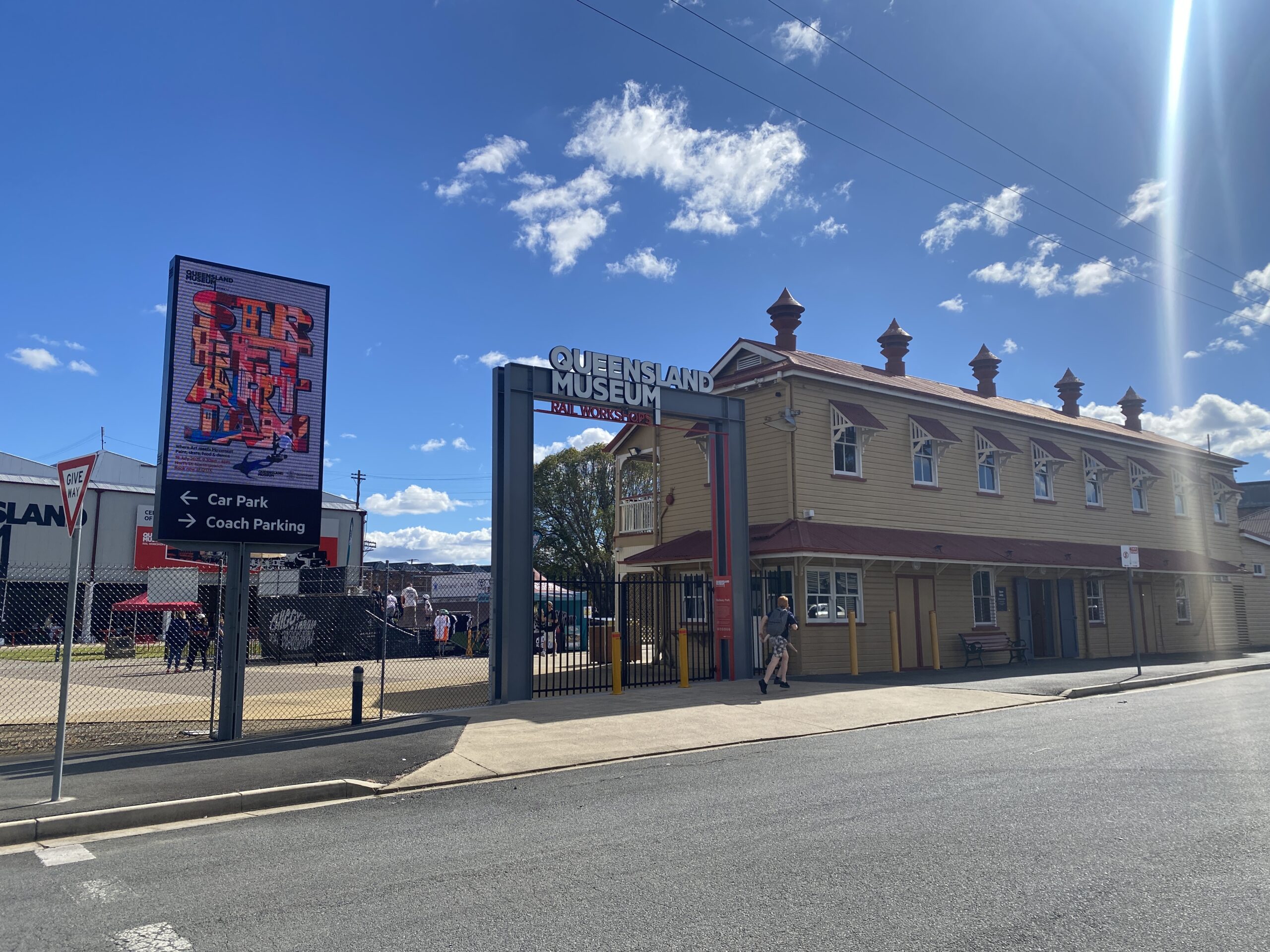
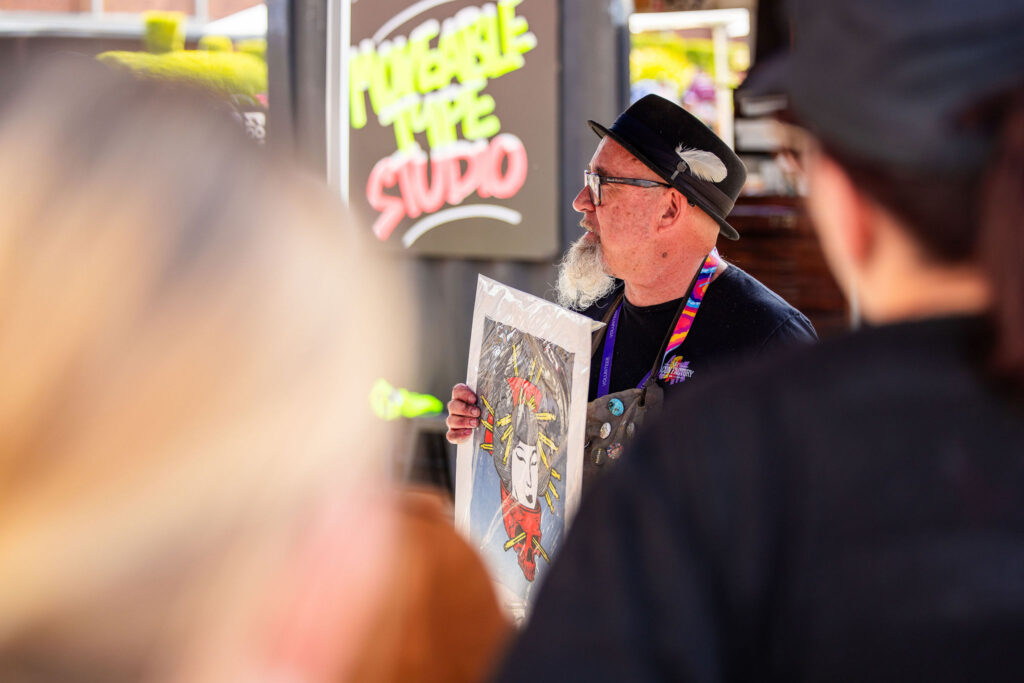
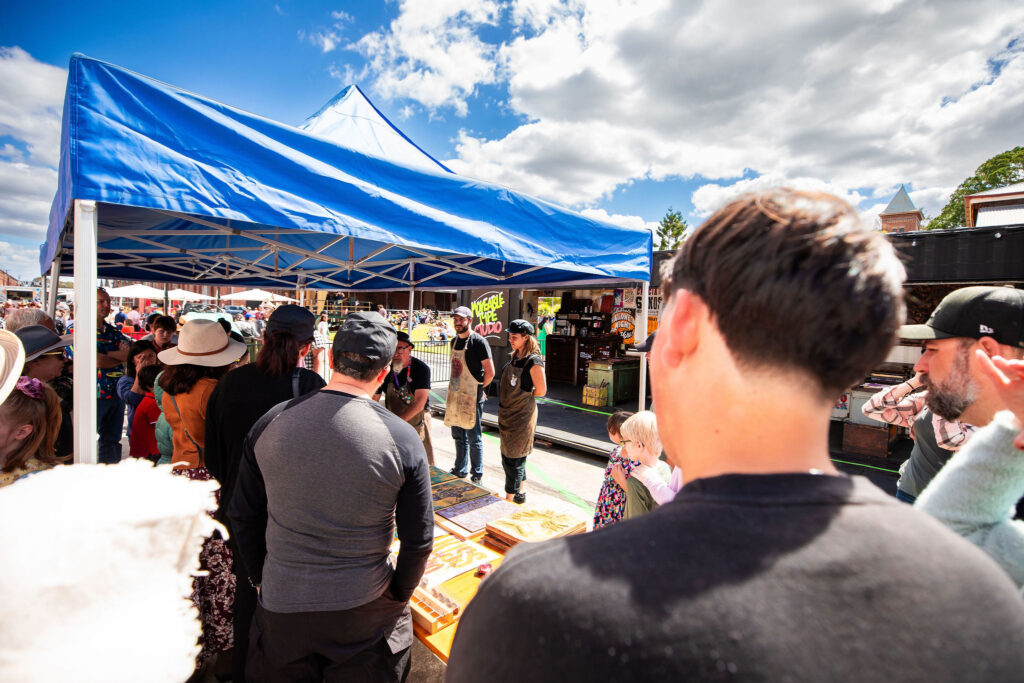
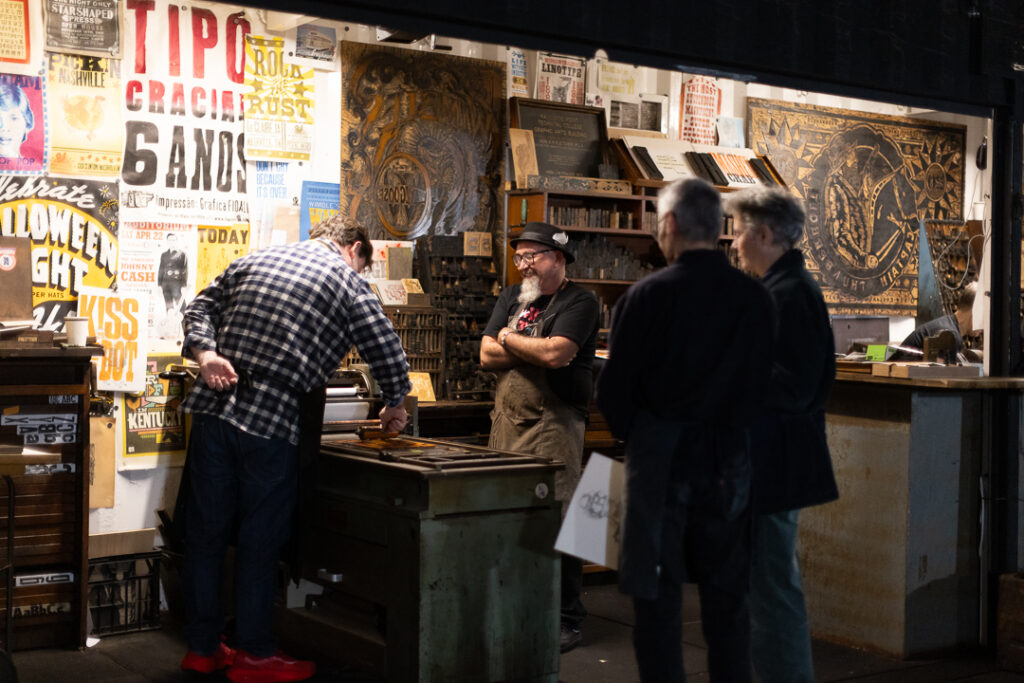
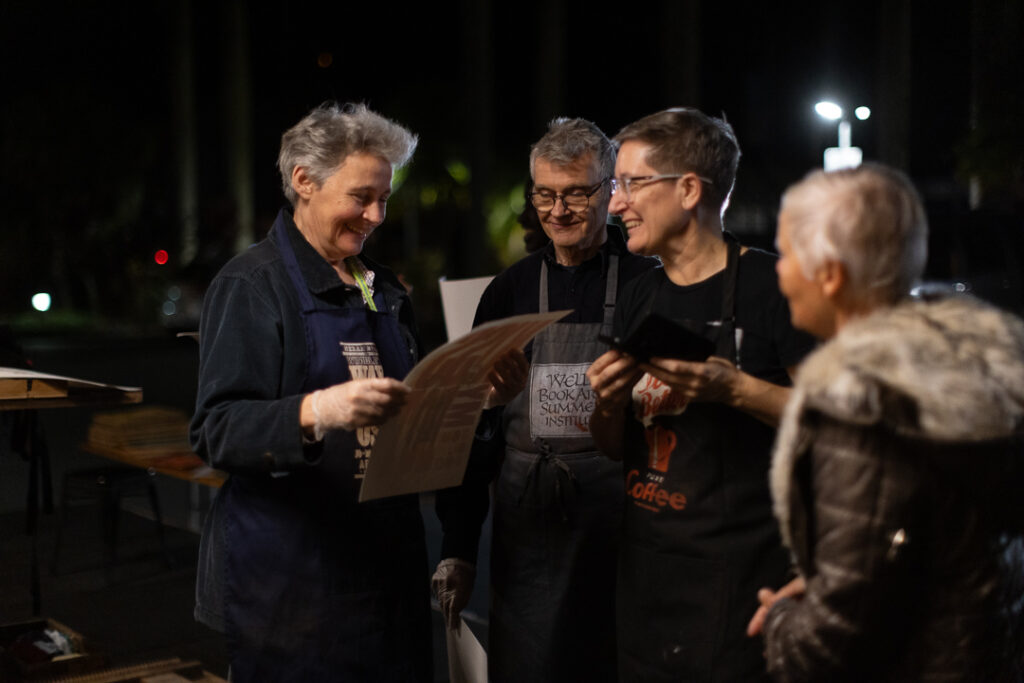
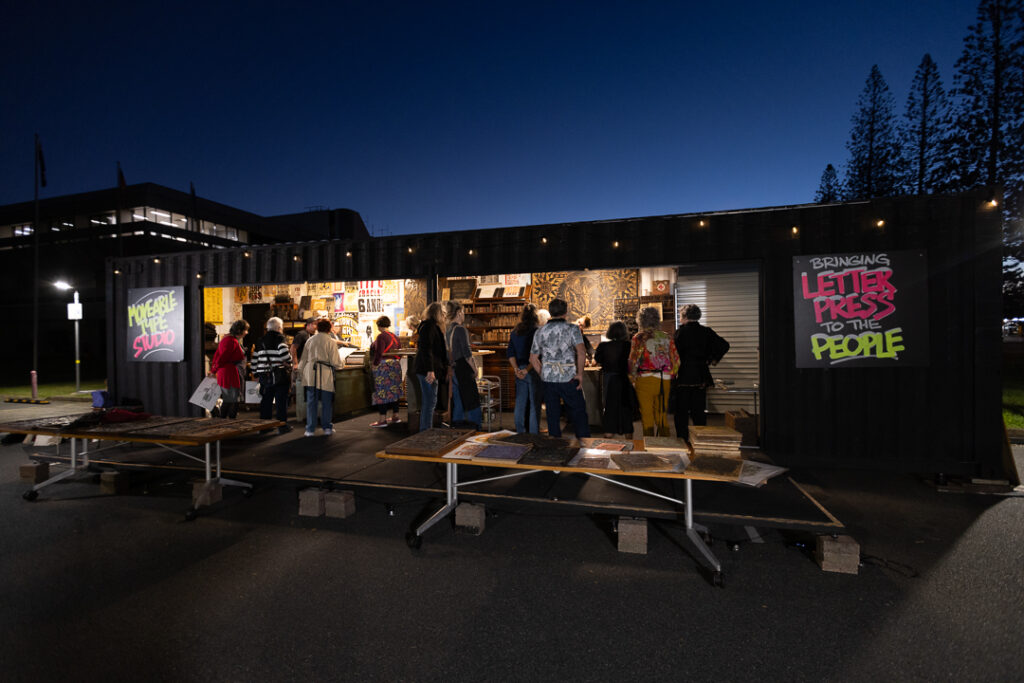
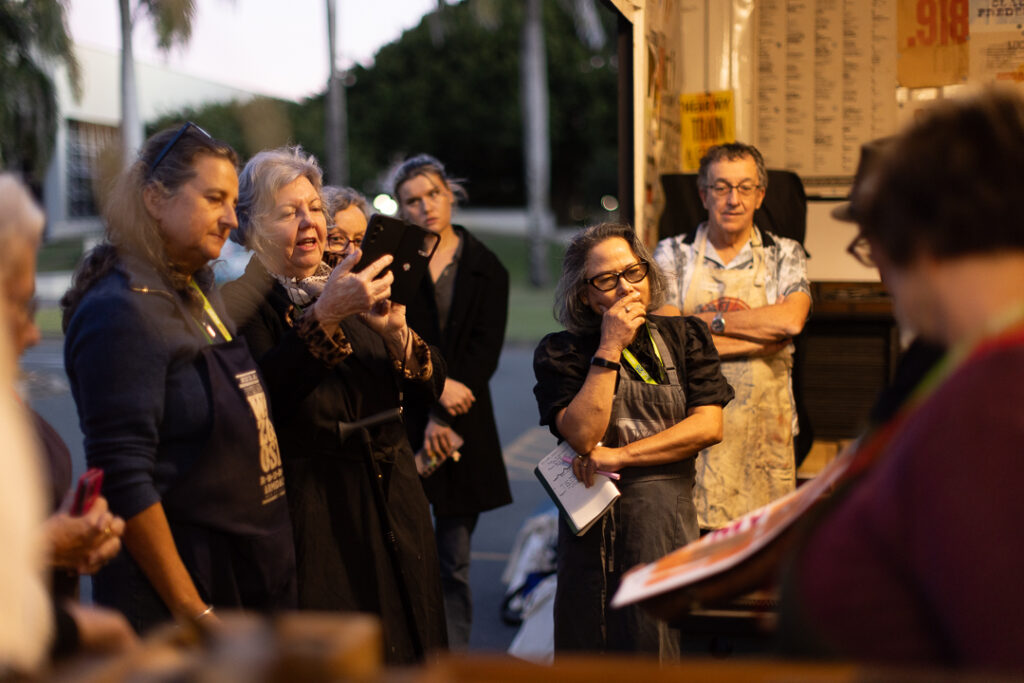
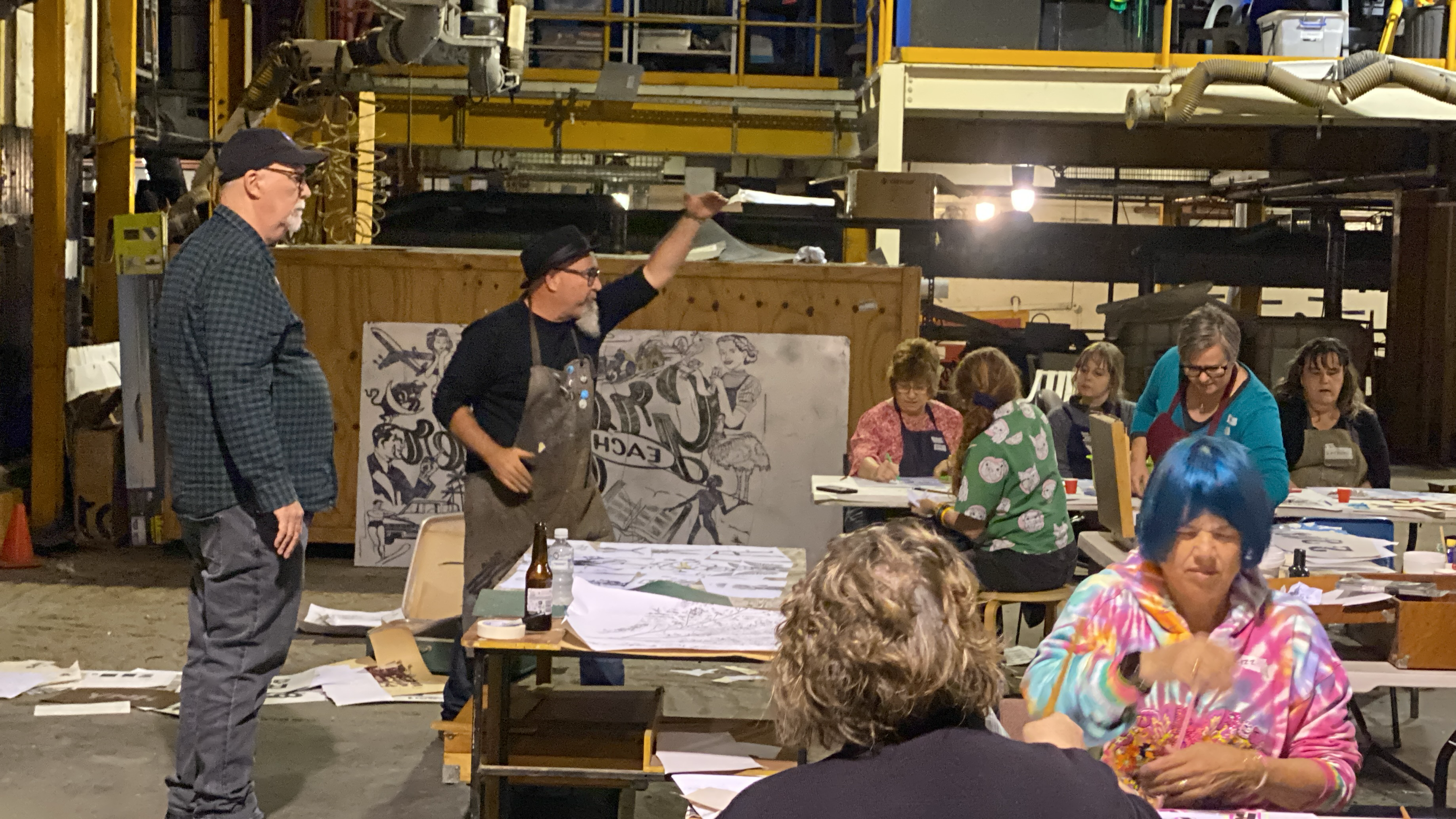
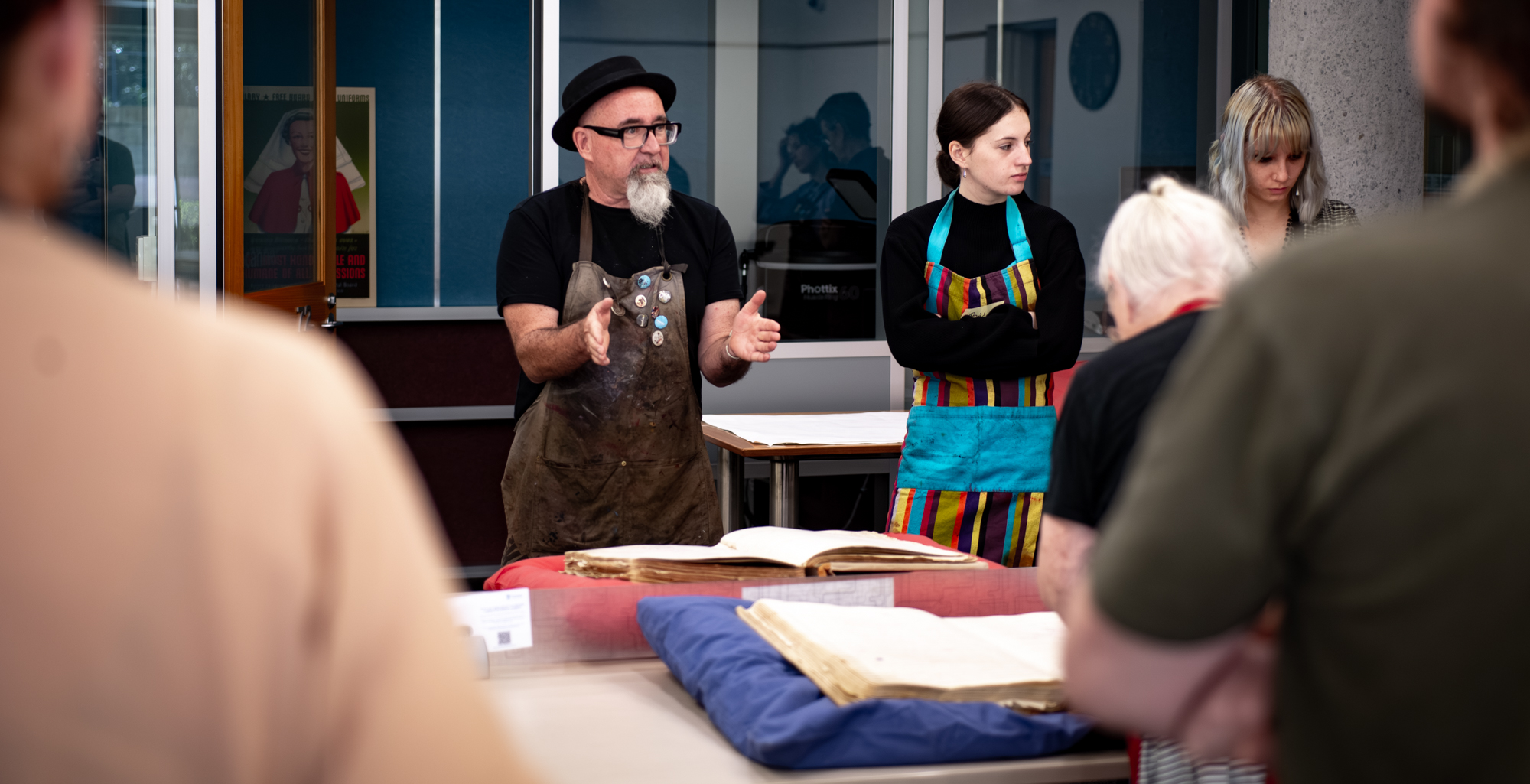
At the Queensland State Archives, as part of the June 2026 Printed & Bound exhibition, we facilitated a day of public workshops investigating the historic significance of livestock branding here in Australia. Participants engaged with our research via informational talks, direct engagement with physical artifacts such as brand directories, brand registers and brand legislations and also via tactile engagement through the letterpress printmaking component of our facilitation.
How we got here
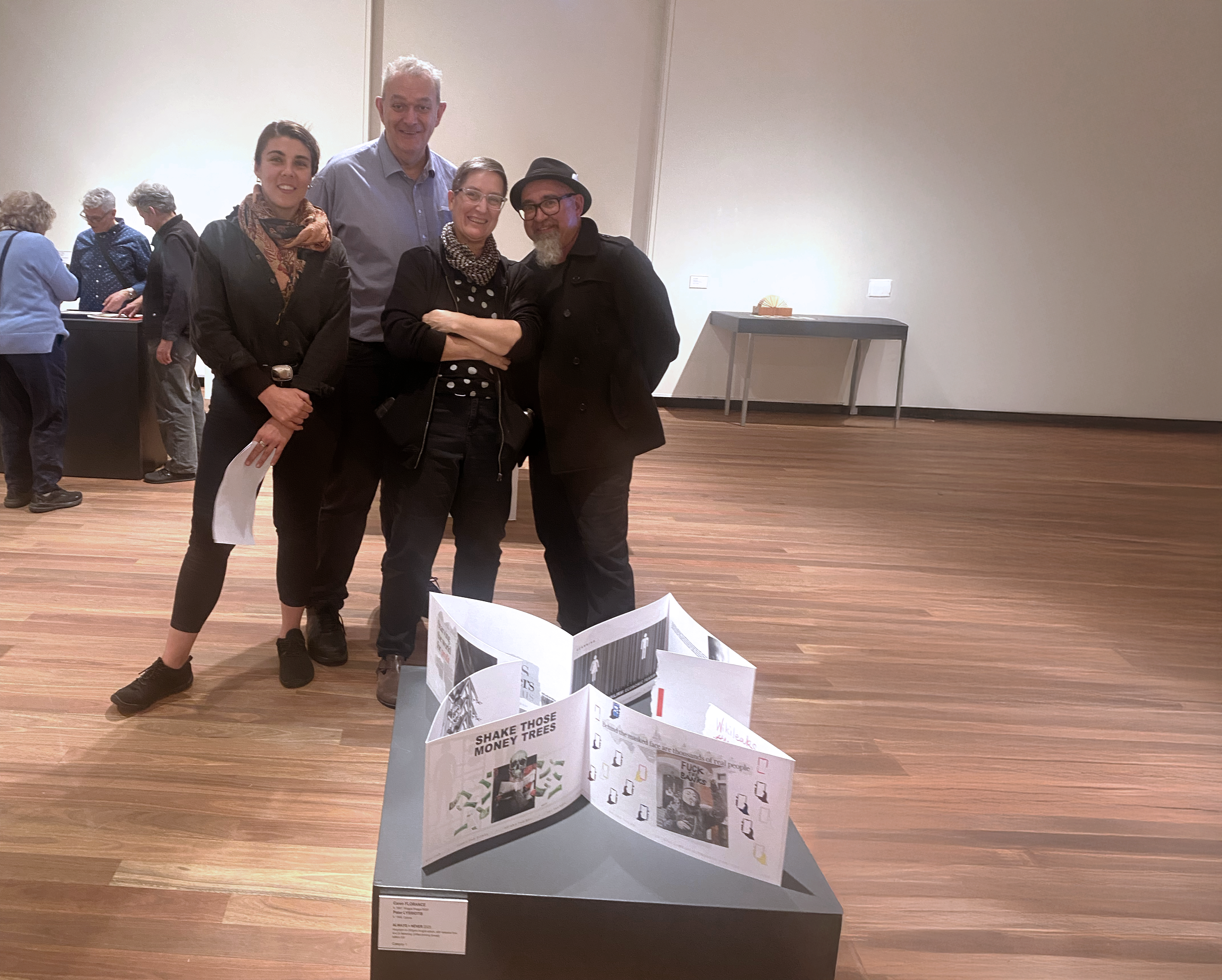
In 2024 we had the privilege of presenting Bovine Pyroglyphics alongside Dr Melissa Silk at the ATypI (Association Typographique Internationale) conference in Brisbane, sharing our research into the Queensland Brand Designs typographic system.
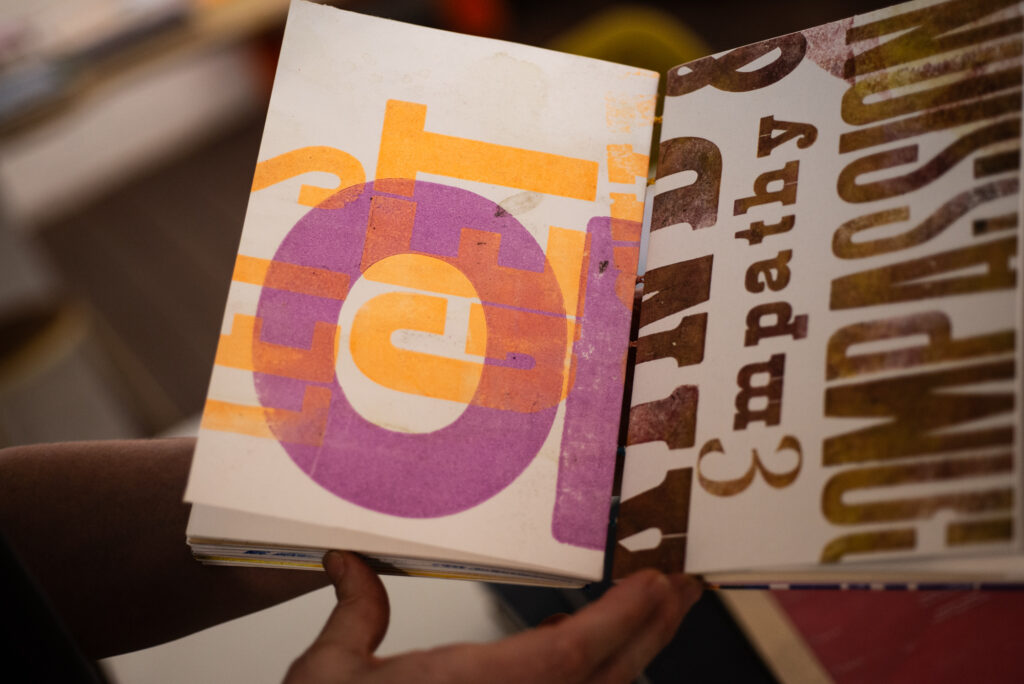
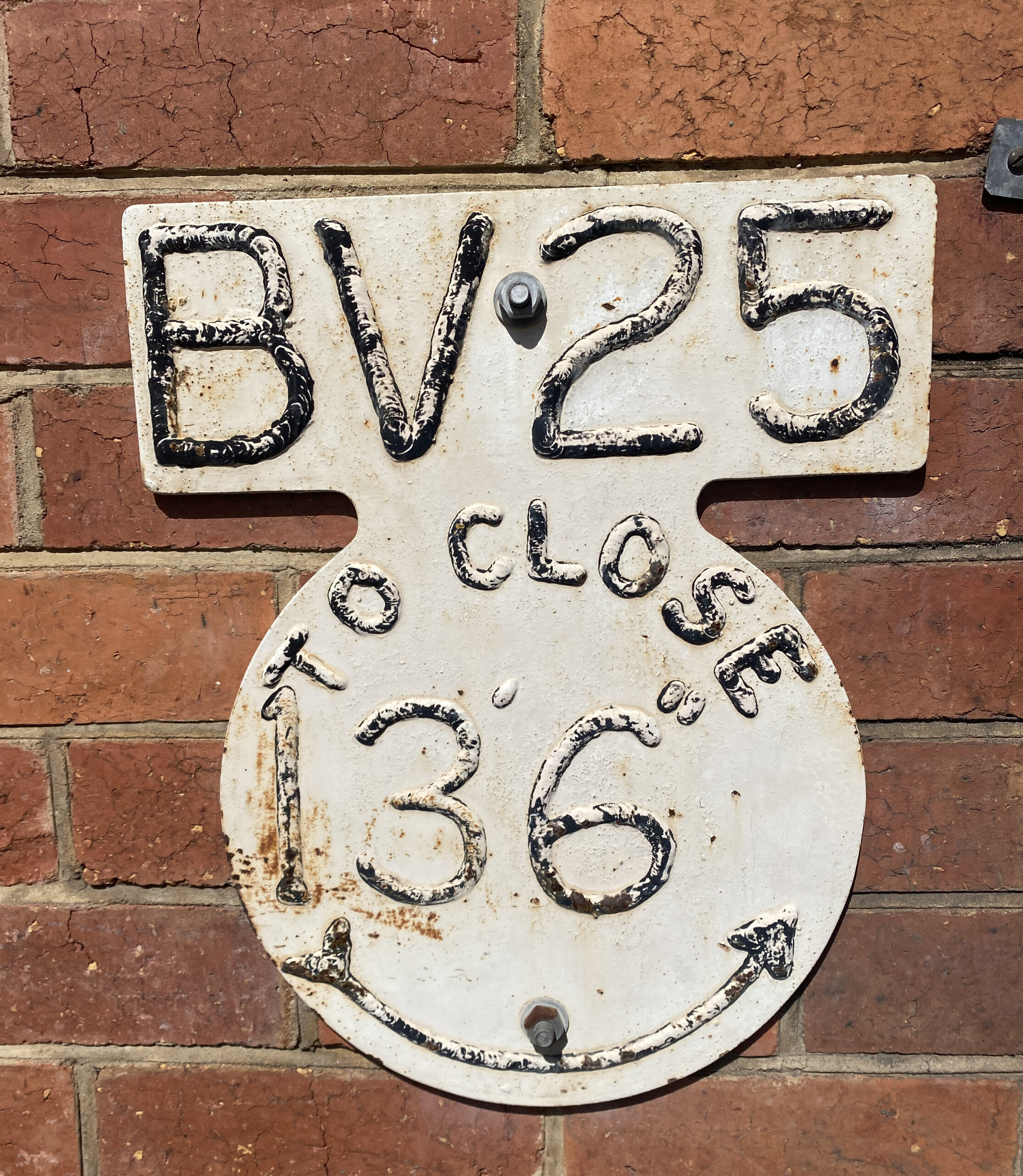
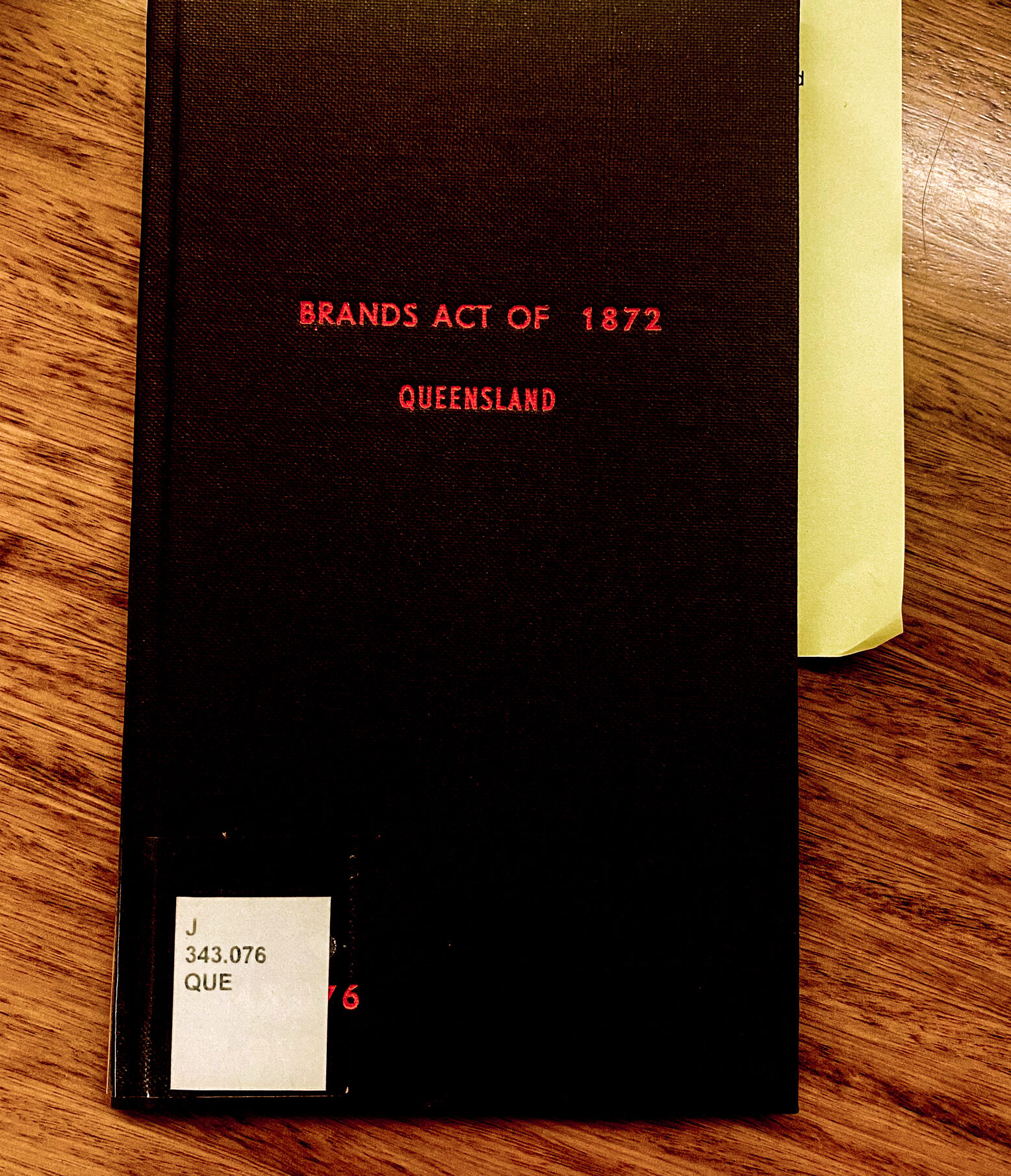
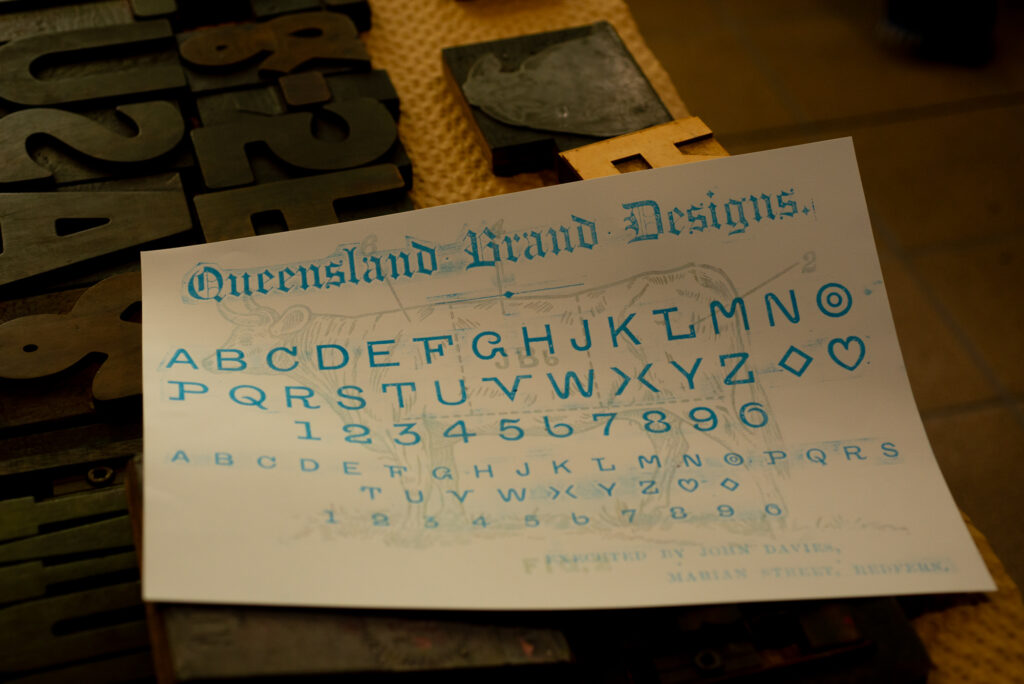
The Queensland Brand Designs is an unusual set of letterforms, a unique set of shapes built to be rotated, reflected and stacked, created in colonial Australia to solve a very particular problem. Cattle were roaming unfenced country with no system of ownership. In 1812, less than 30 years after colonisation, the colonial authorities issued an early directive: livestock must carry a distinctive mark. Formal registration came with the New South Wales Registration of Brands Act of 1866, introduced by Minister for Lands John Bowie Wilson, which sorted registered brands into categories and published them in quarterly government reports. Queensland updated that framework with its own Brands Act of 1872. The system produced the typeface Queensland Brand Designs. In 1873, John Davies of the Davies Brothers Type Foundry in Redfern, Sydney, cut the brand designs for the New South Wales Government, working under Government Printer Thomas Richards.
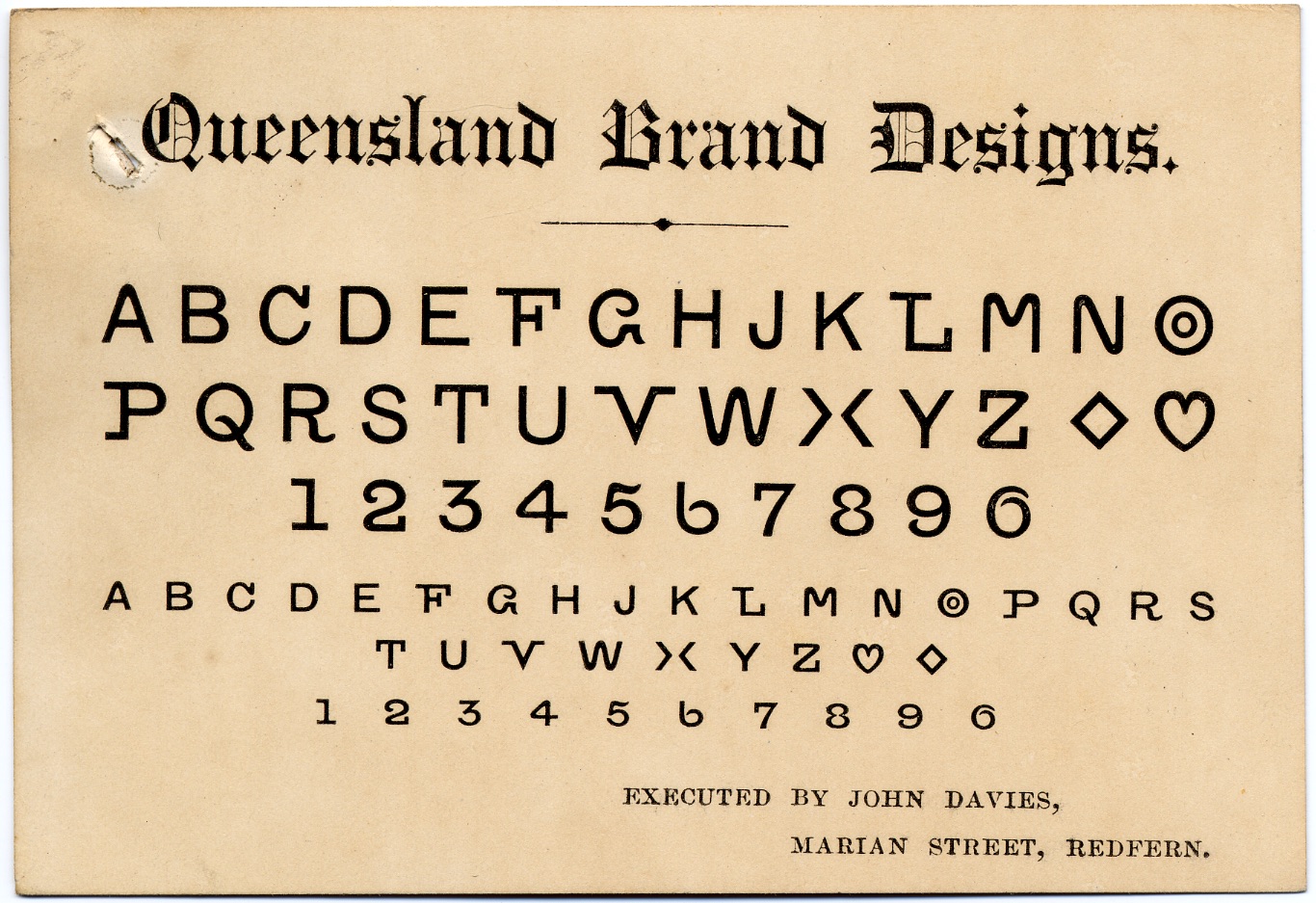
These letterforms had to work at two extremes. They were designed to be forged by blacksmiths, so that brand marks could read at a distance on the branded livestock, yet also printed small and neat into official government registers.
Our colleague Dennis Bryans in Melbourne first brought this typeface to our attention through his publication A Survey of Australian Type Foundries.
None of this can happen without the right people
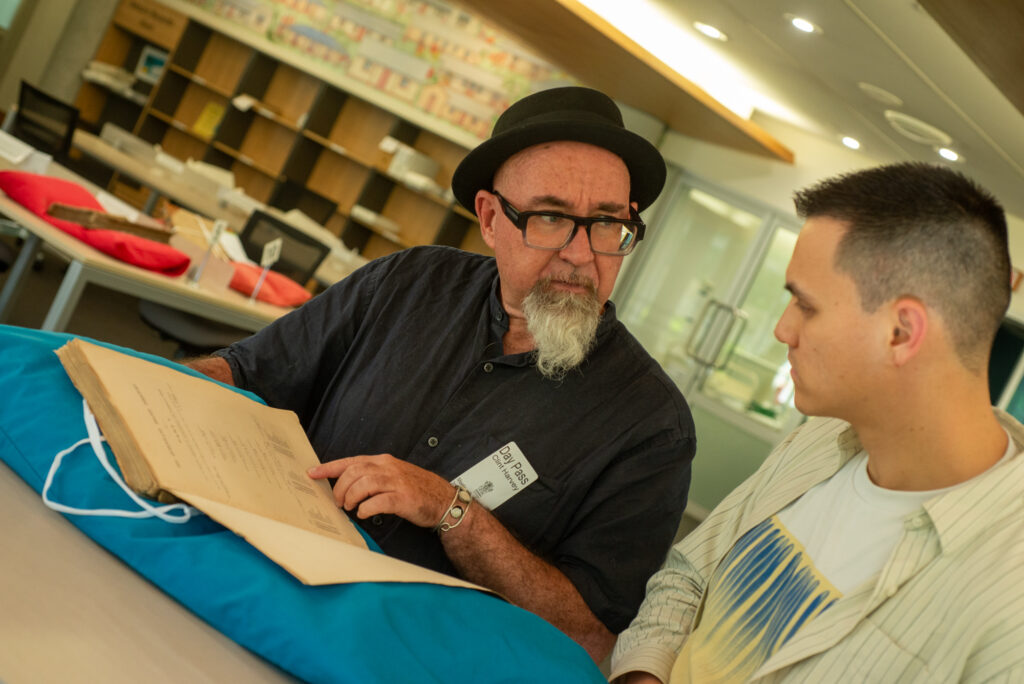
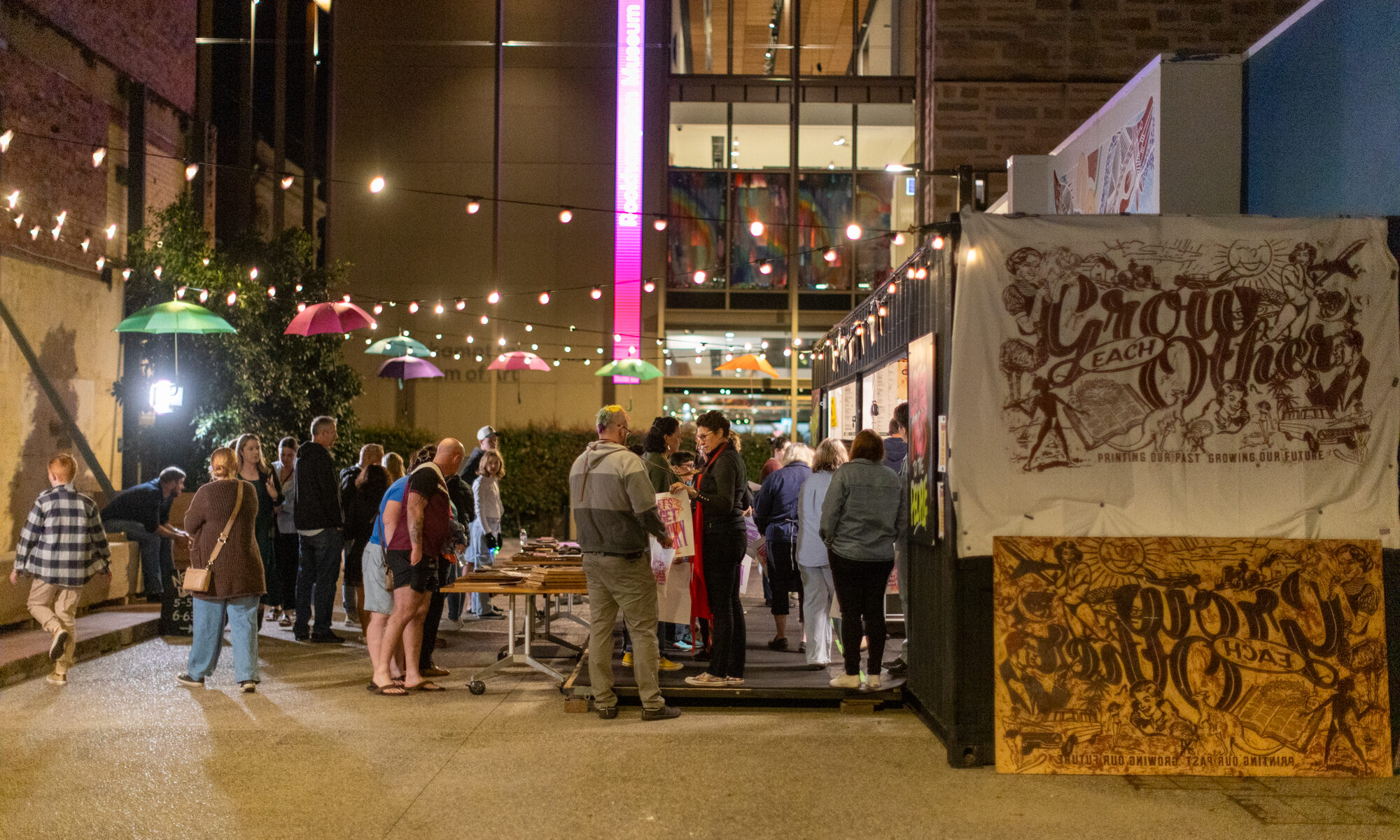
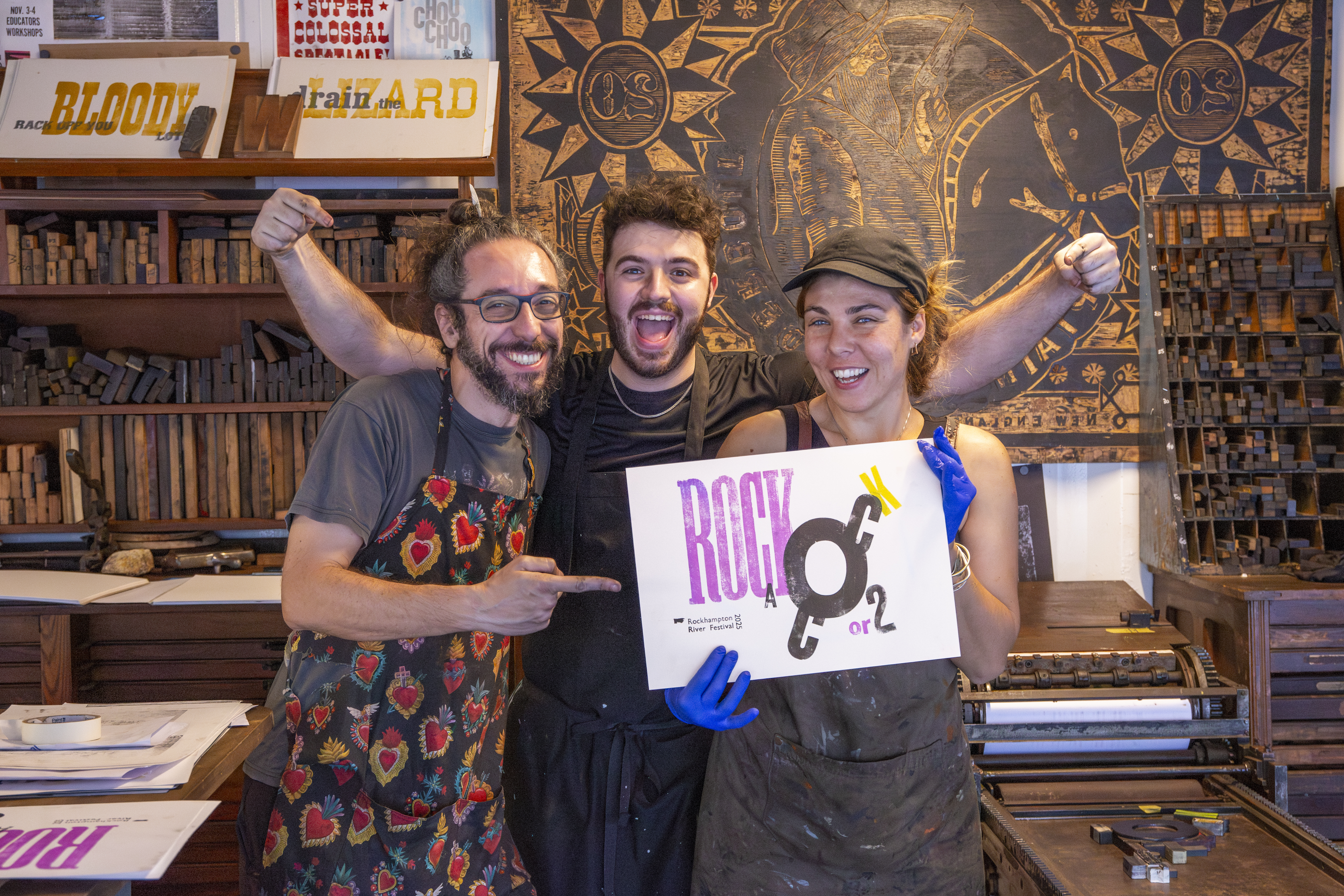
David Patterson, Senior Engagement Officer at Queensland State Archives, first crossed paths with us at a Moveable Type Studio Ink & Drink at the Paint Factory in 2025 – a casual evening event where the public drops in to set type and pull their own letterpress print over a drink.
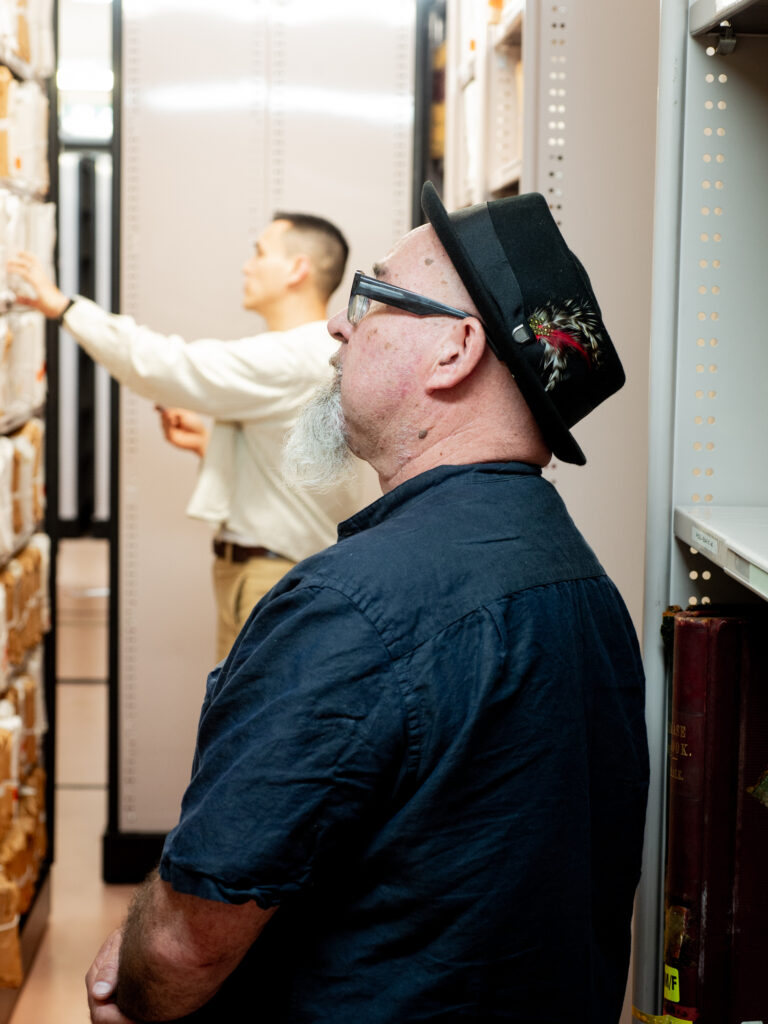
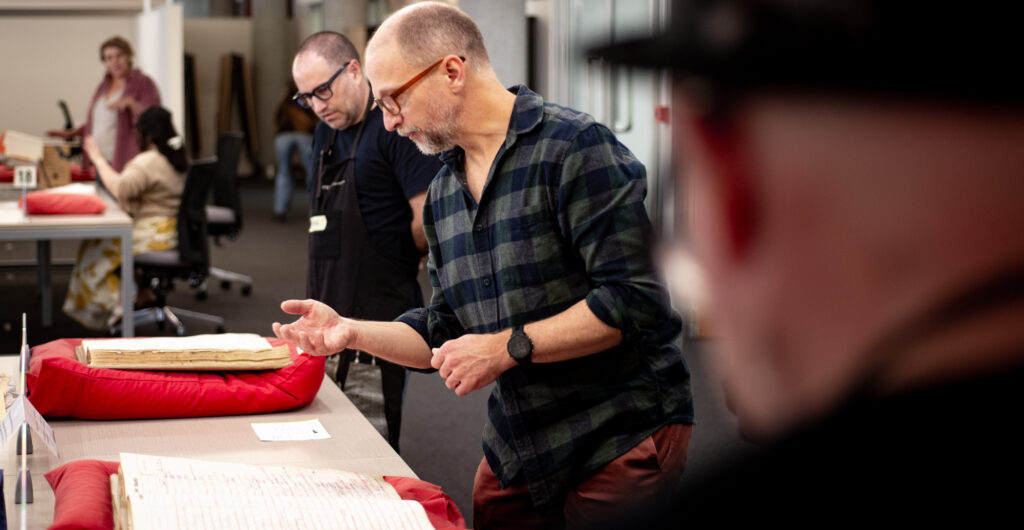
Over the following year, we worked with David and his team to find the right moment to bring a letterpress public engagement to Queensland State Archives. QSA’s 2026 Printed & Bound exhibition was that moment, and our research into the Queensland Brand Designs, Australia’s colonial livestock branding letterforms, was the ideal fit. Forged, branded, printed, and bound.
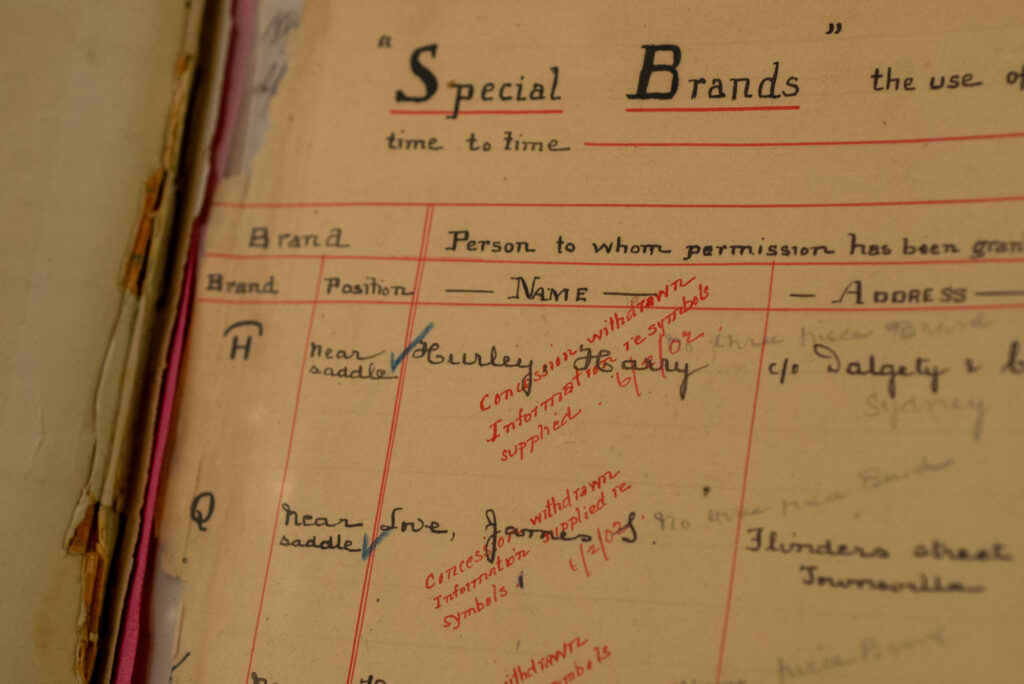
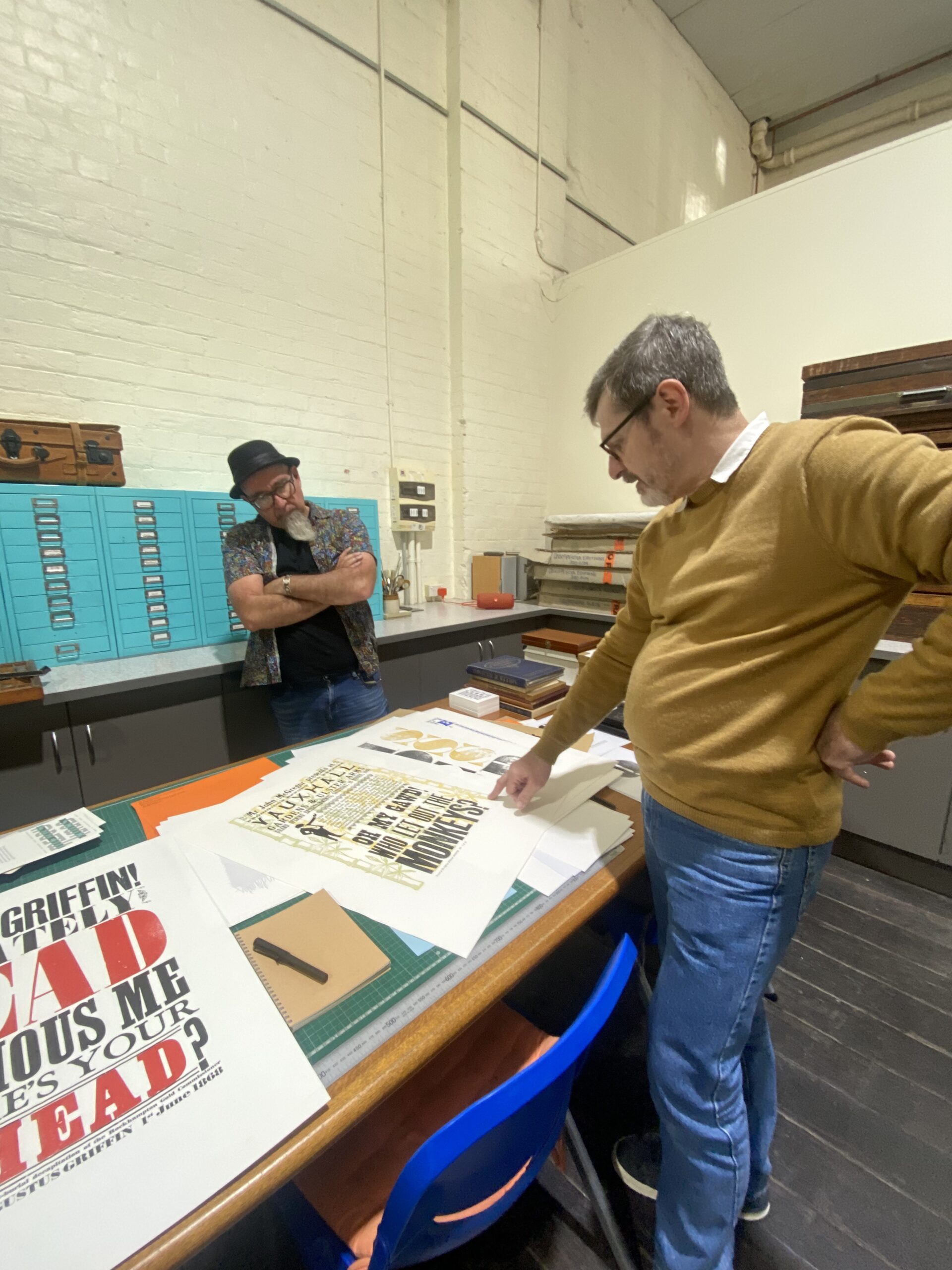
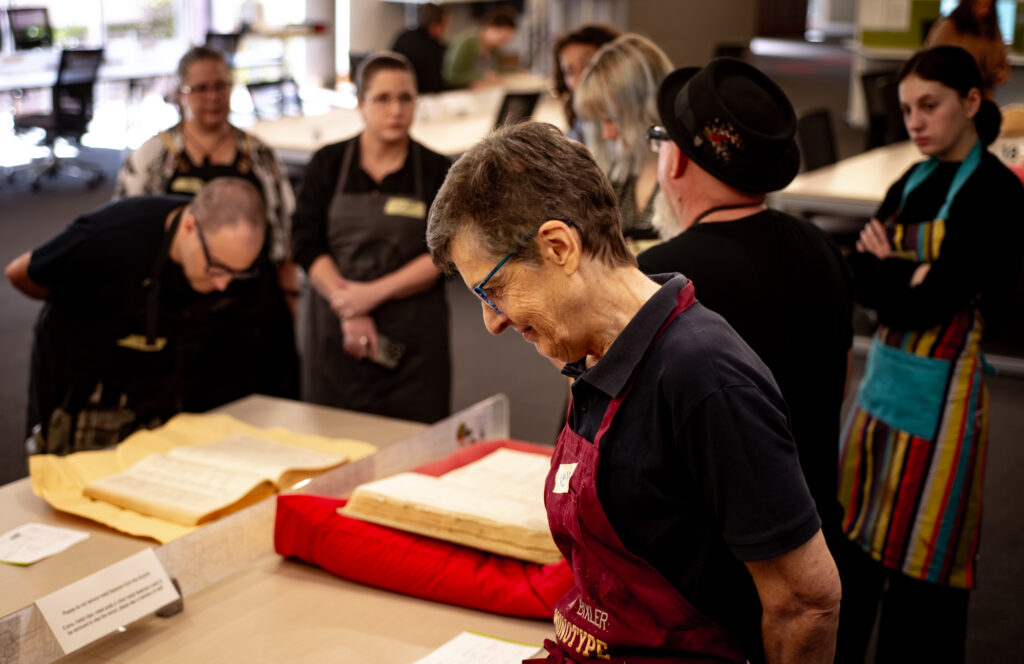
We were fortunate to have significant research time as part of the project. Archivist Ryan Pretzler at Queensland State Archives took us behind the scenes and found examples of the Queensland Brand Designs typeface printed into actual government documents, including an early Government Act predating the 1872 Queensland legislation. We had that early document on display in the reading room as part of our workshop delivery.
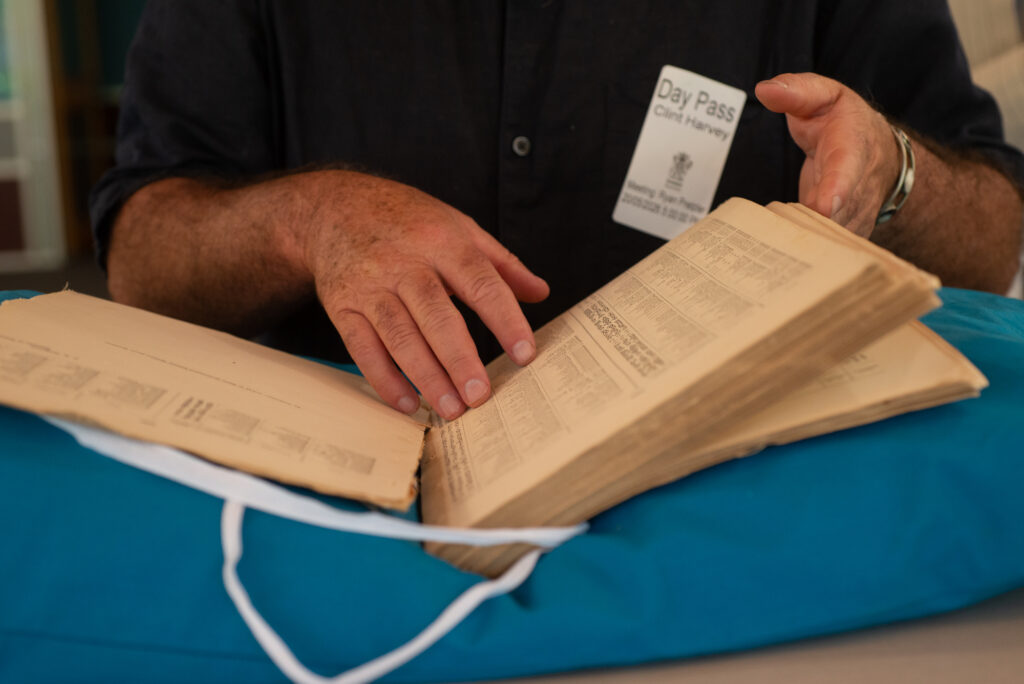
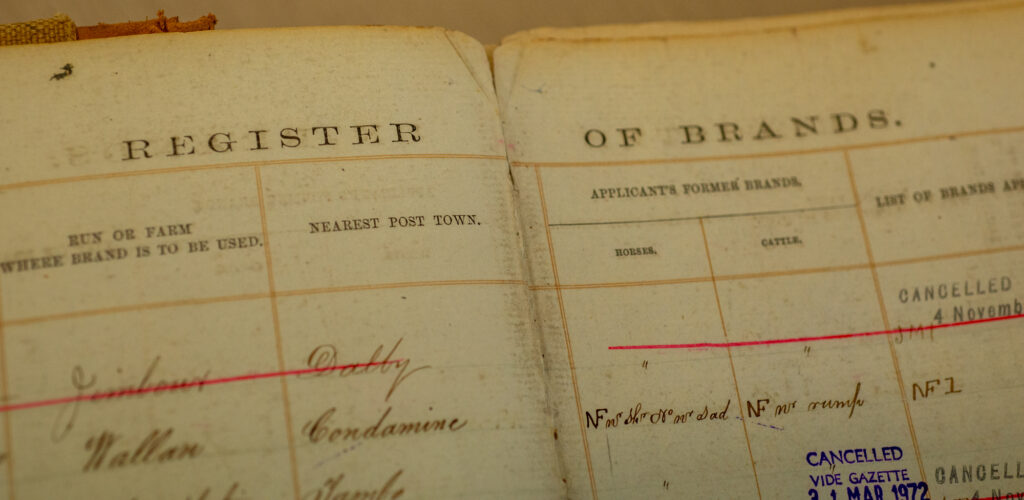
The brand registers are large bound books with the Queensland Brand Designs font running down the left edge as foundry printers type, and individual, beautifully hand written brand registrations filled in by hand beside it. You could see the ink spread from letterforms cast out of foundry lead over a hundred years ago, and next to each one a squatter’s name, a property, a three-piece brand that was burned into the hide of their cattle somewhere on the Queensland plains.
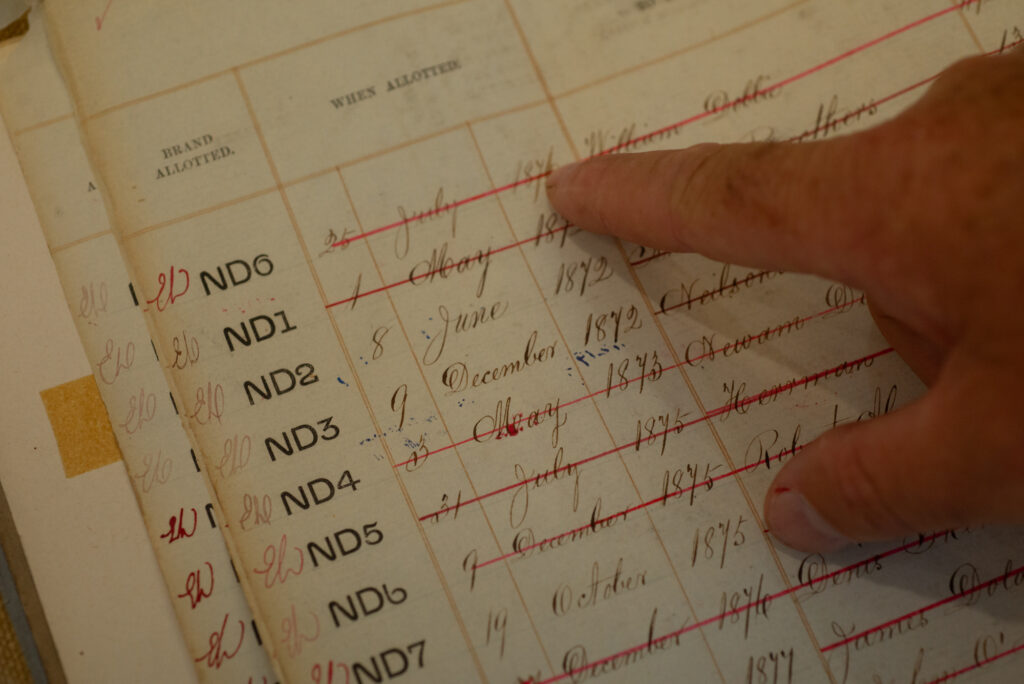
We also viewed a brands directory from the 1940s – a letterpress-printed reference document that compiled registered brands sequentially, reproduced and updated annually across the decades. By the forties the Queensland Brand Designs font was printing at a smaller size, but the same letterforms Davies cut in 1872 were still there, still doing the same job.
Into the courtyard
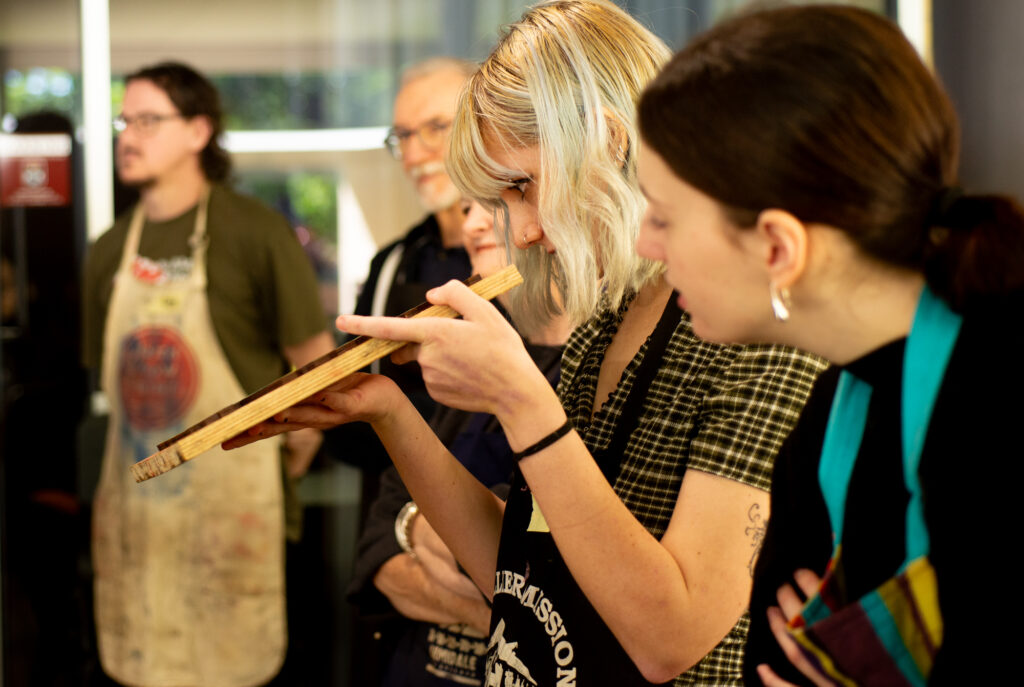
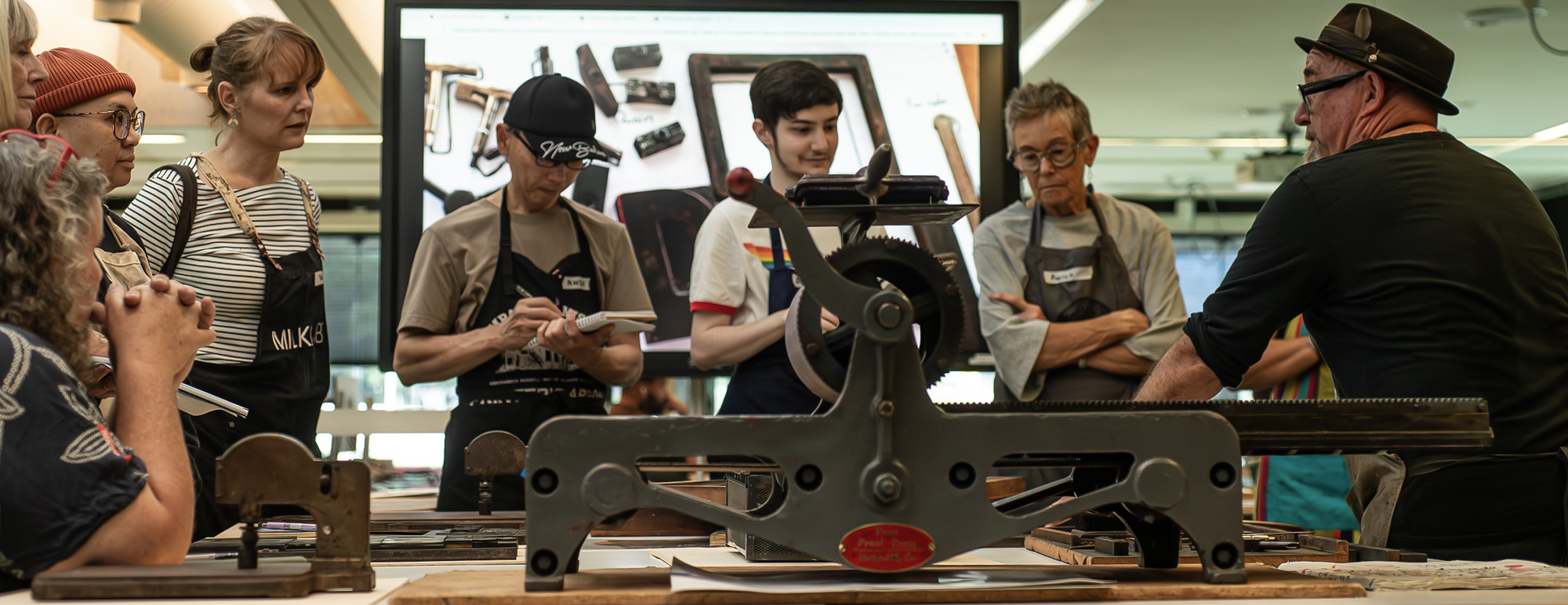
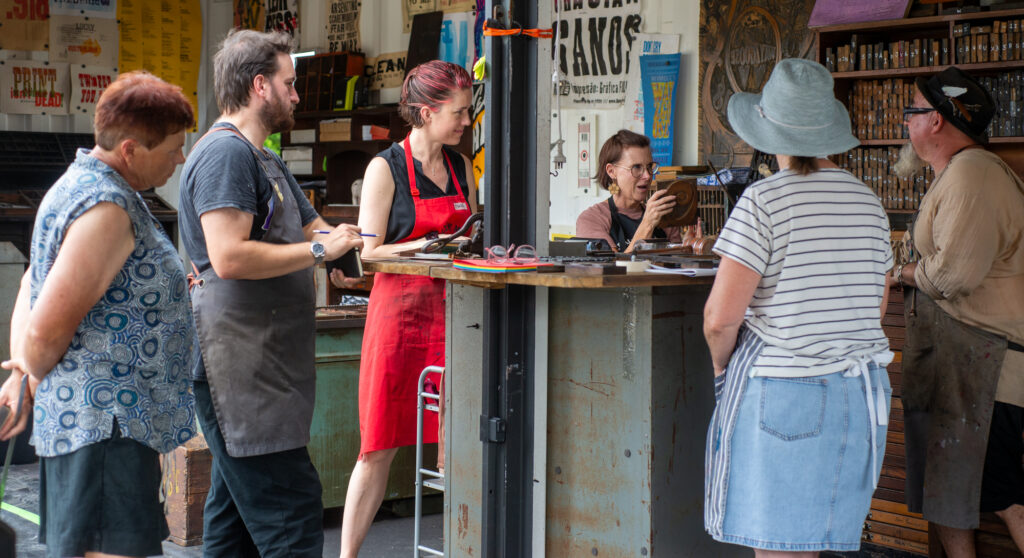
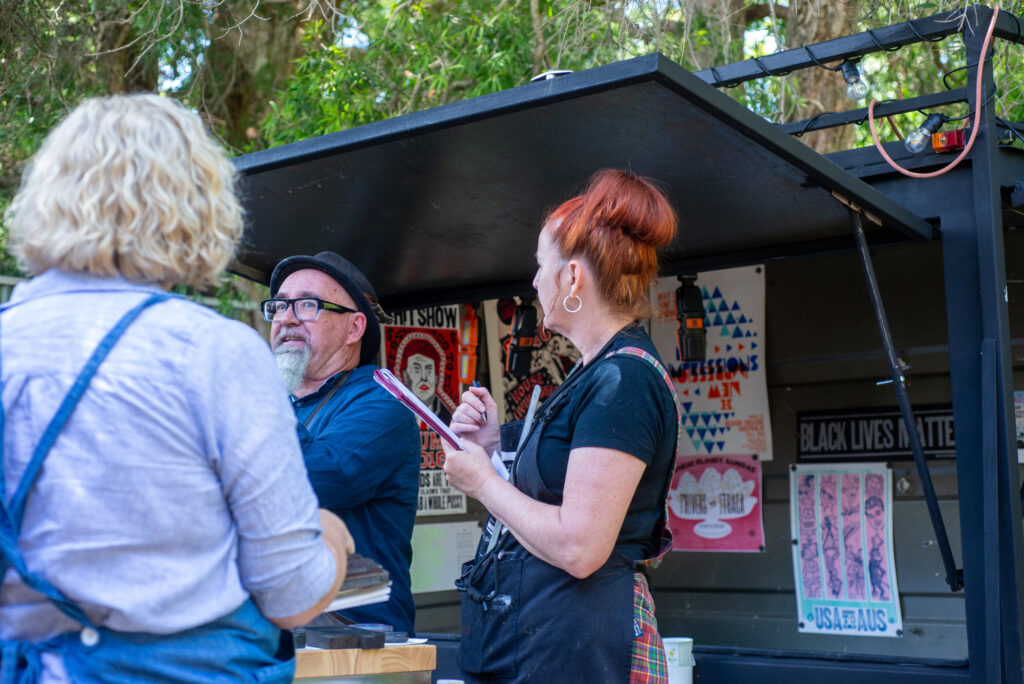
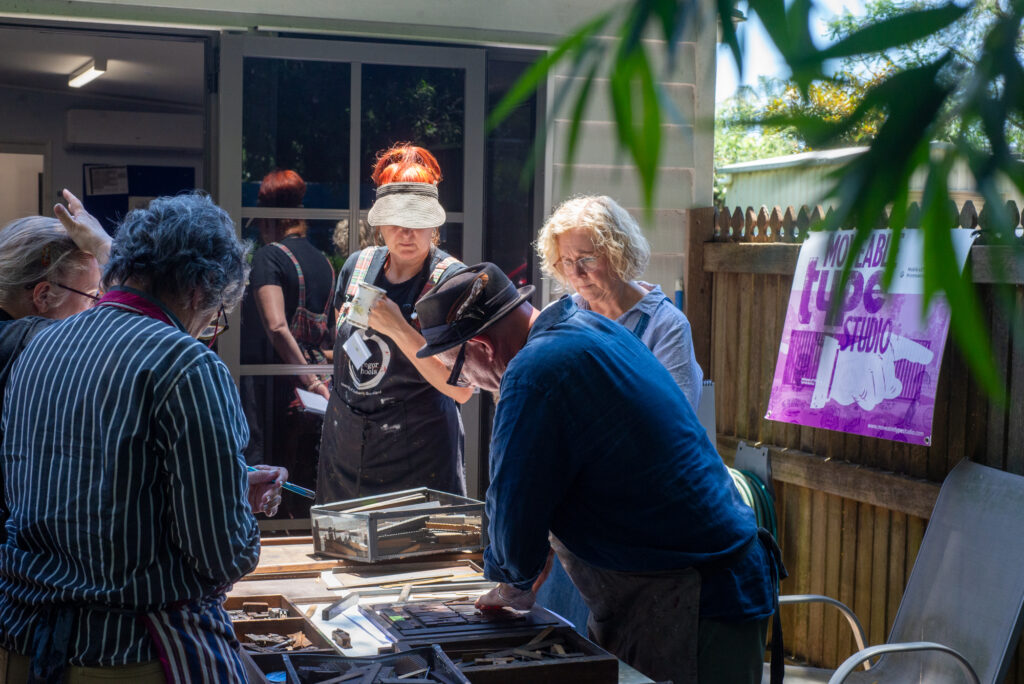
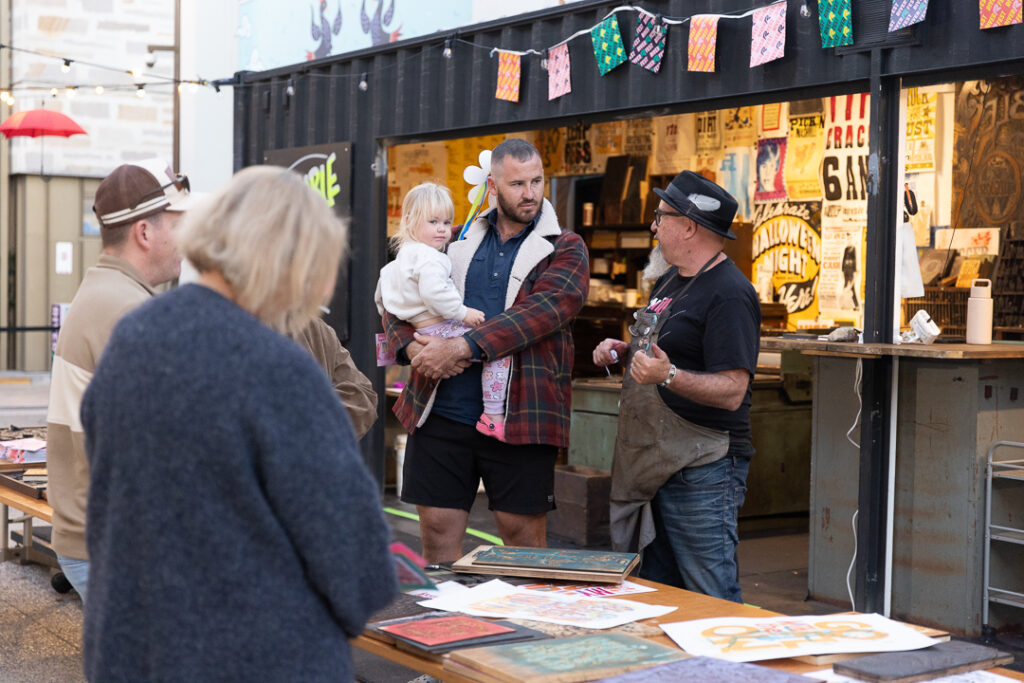
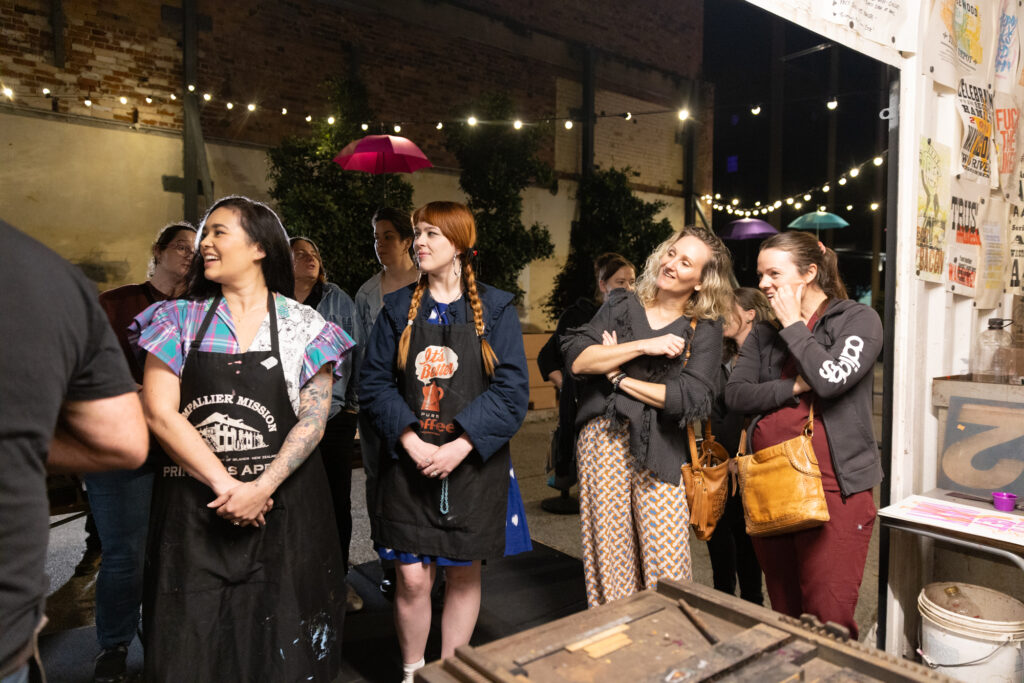
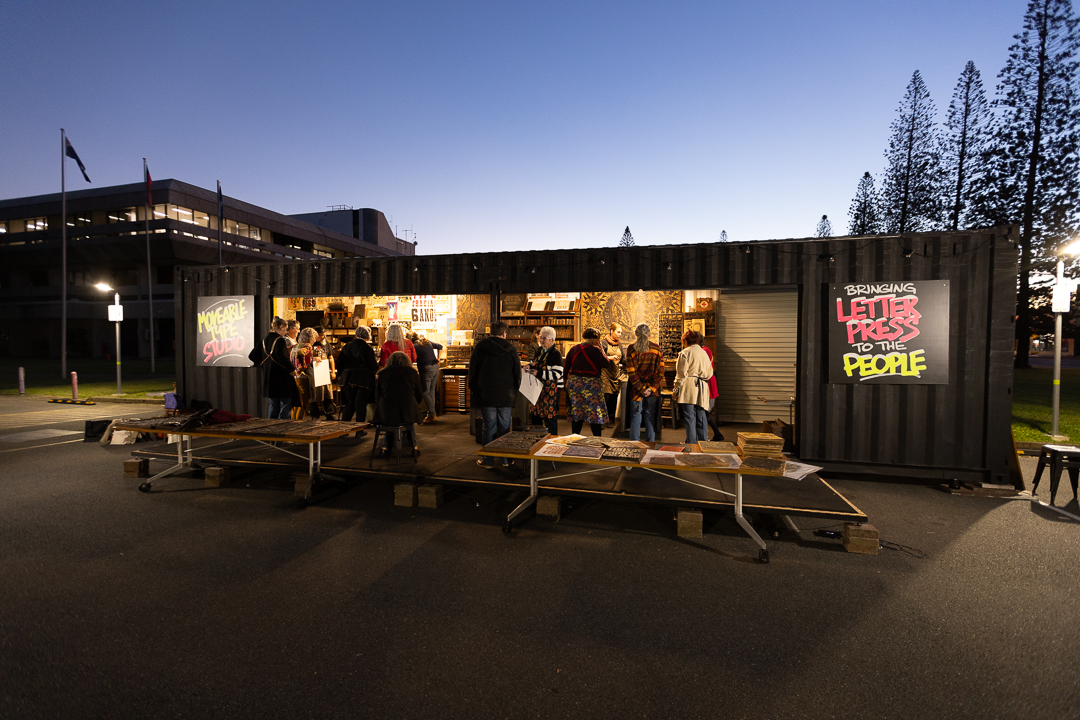
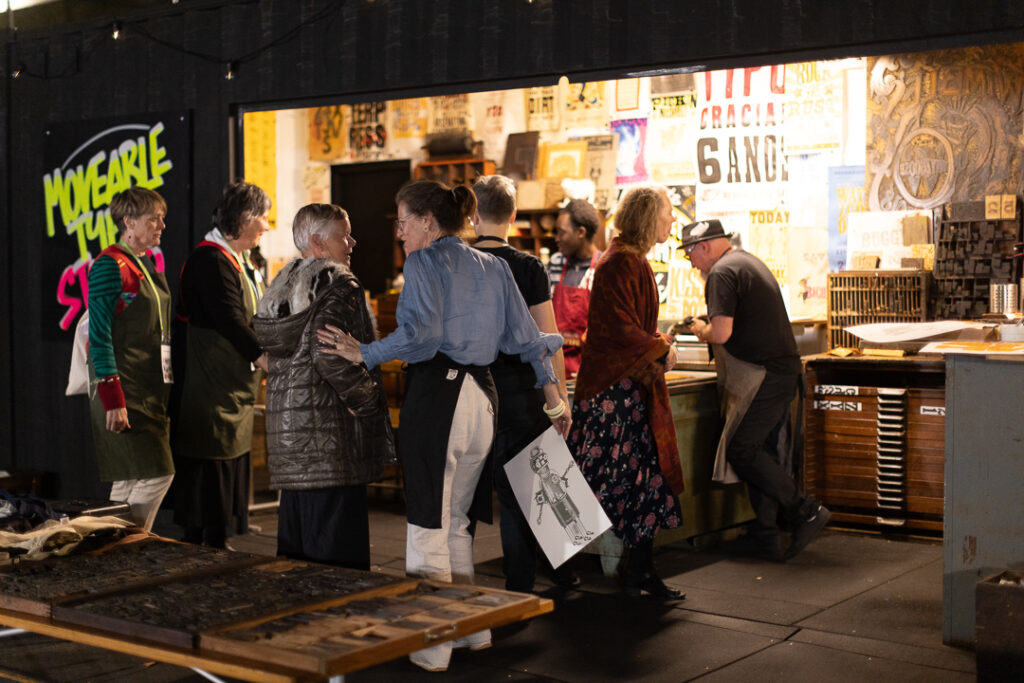
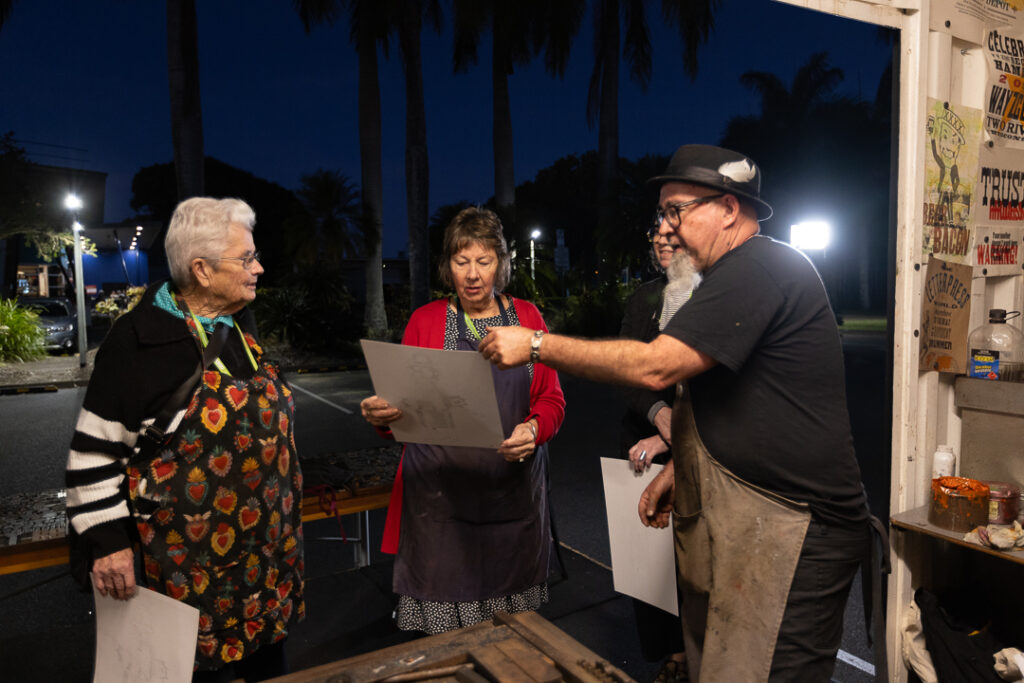
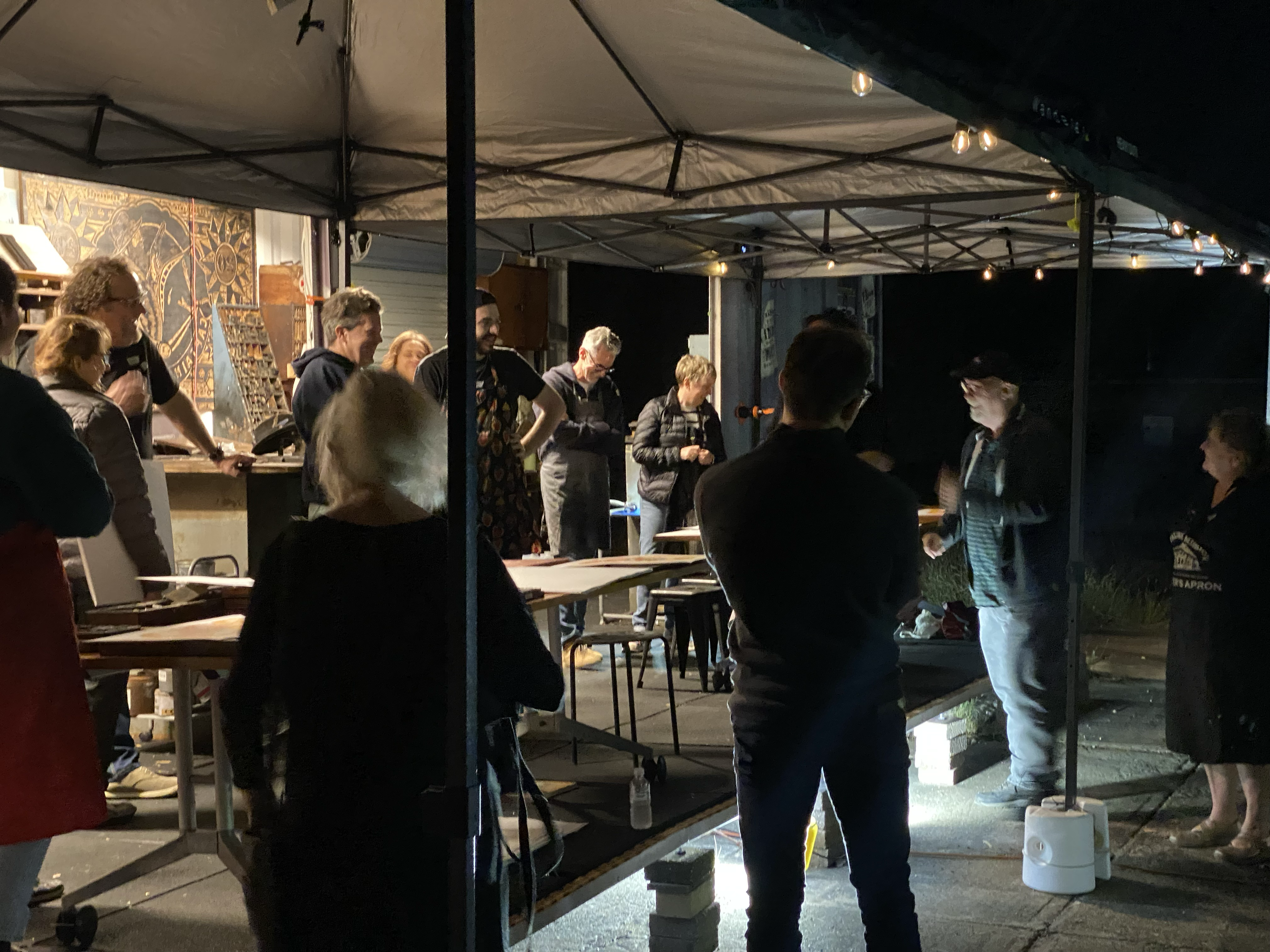
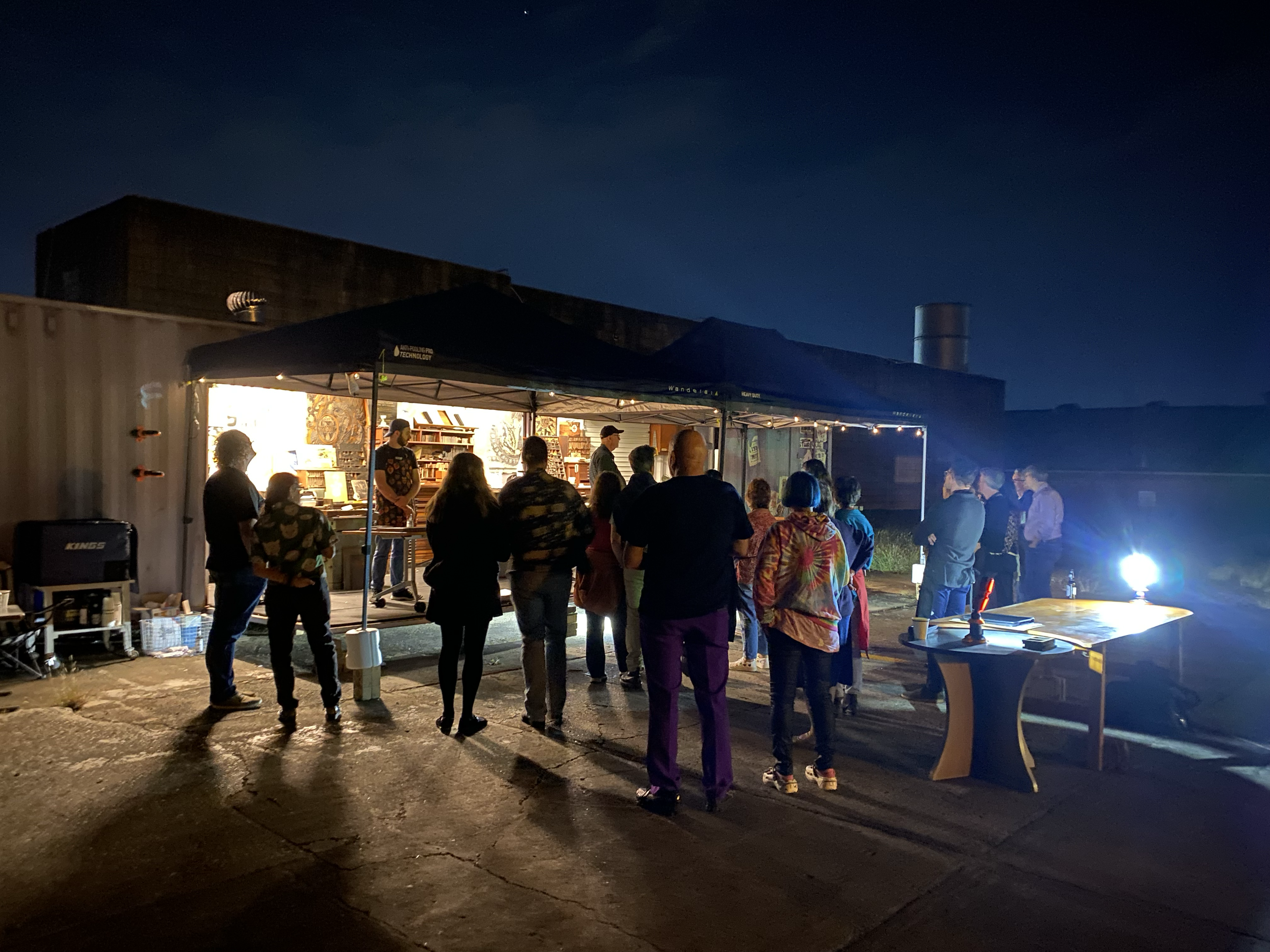
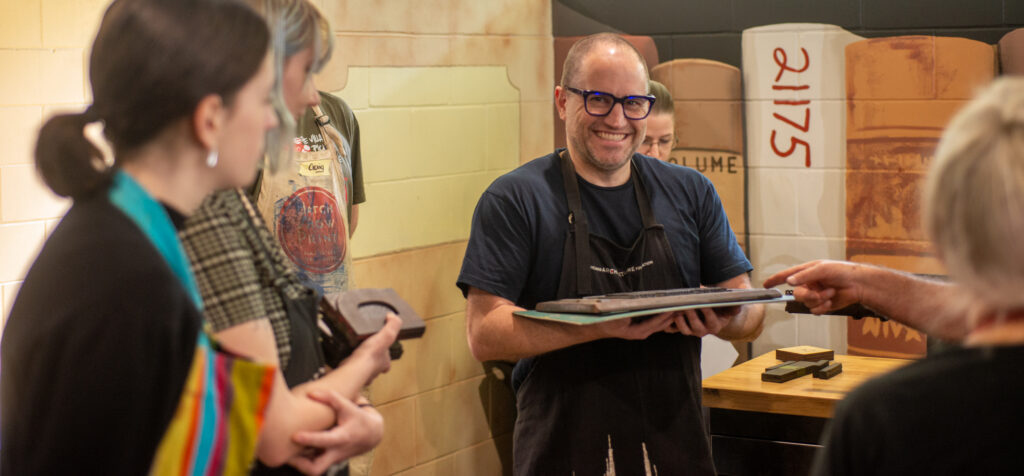
After about 45 minutes of talks, context, brand registers and directories, we moved the participants outside.
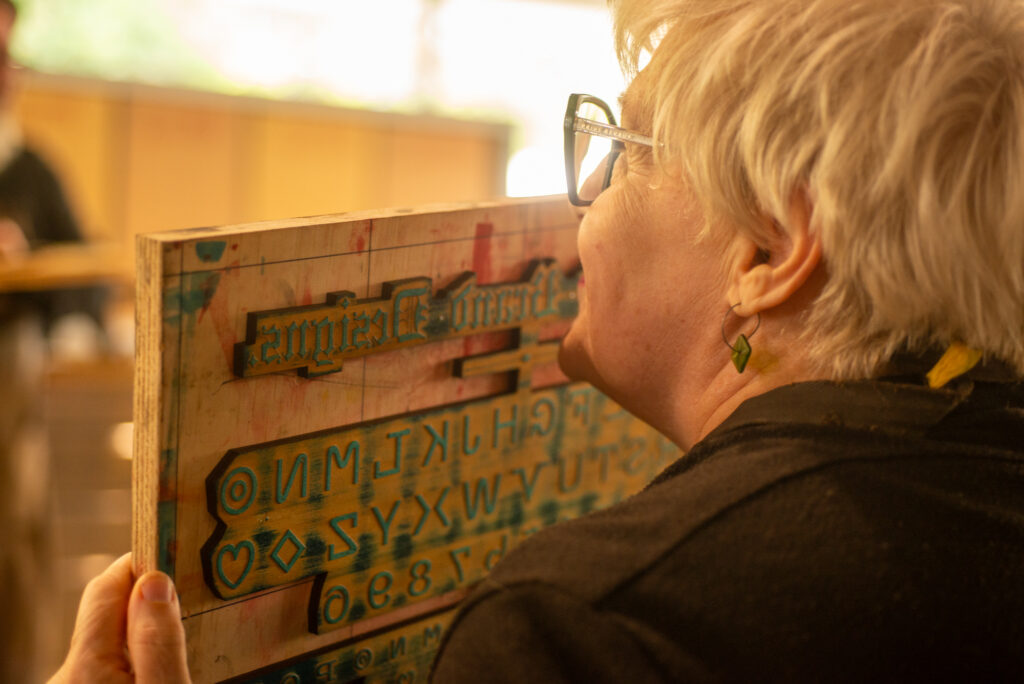
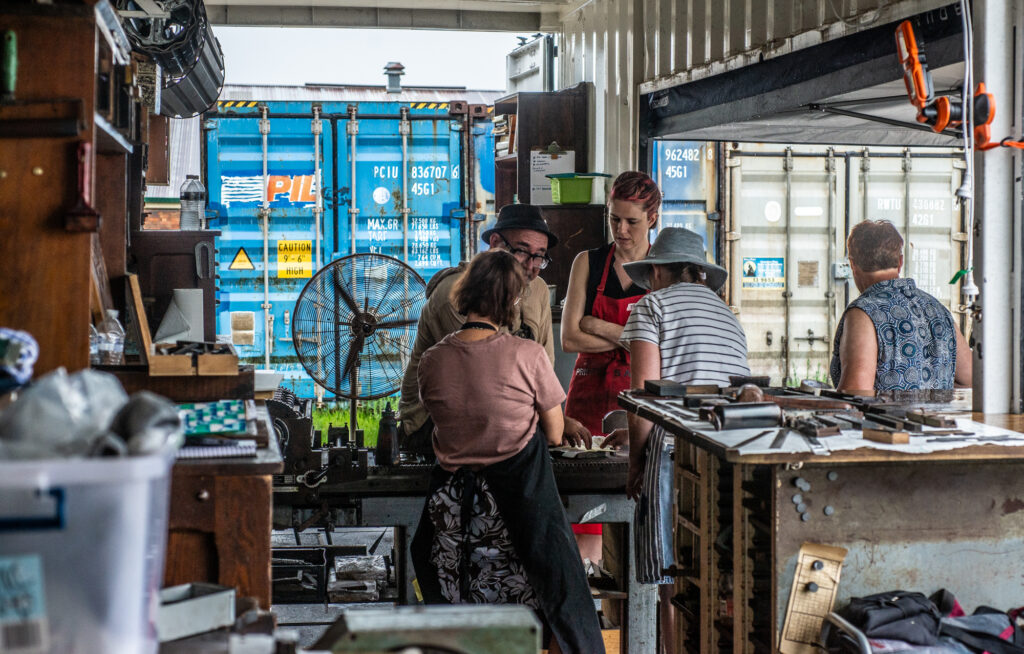
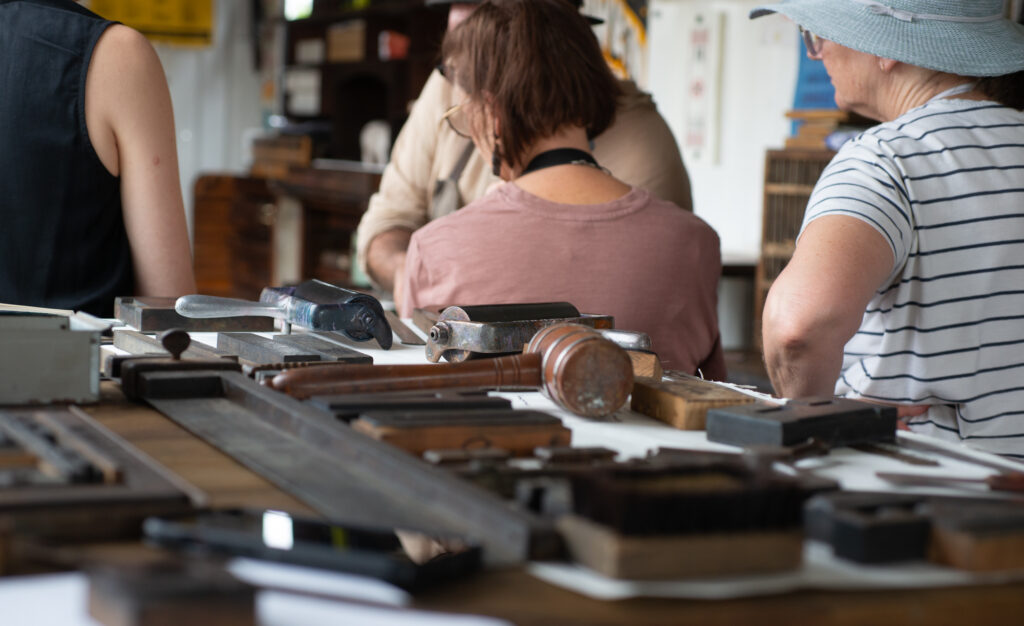
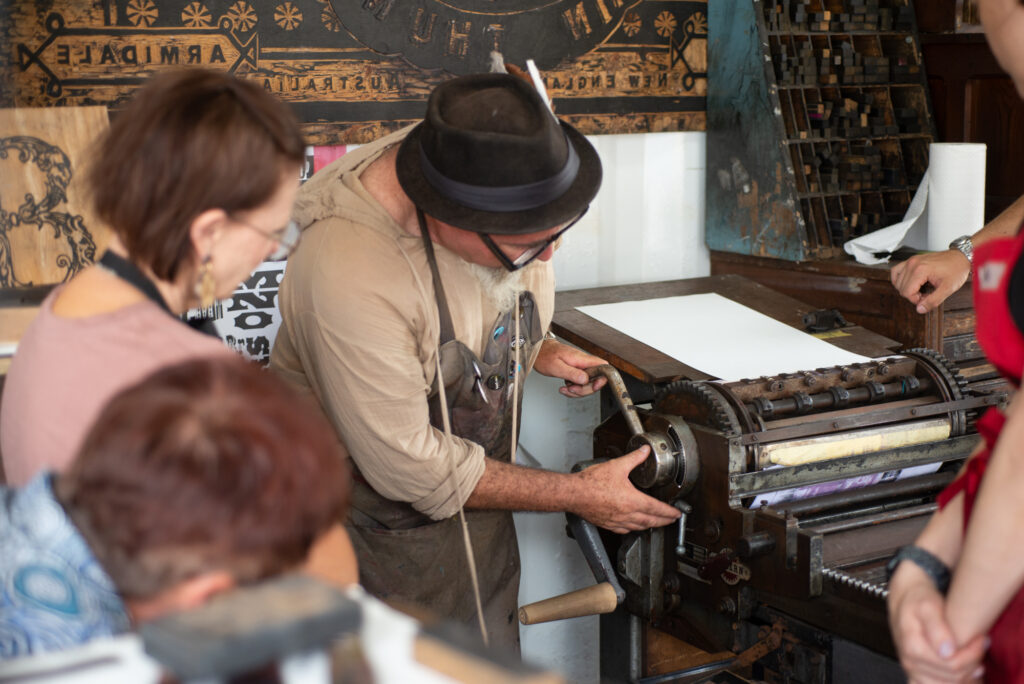
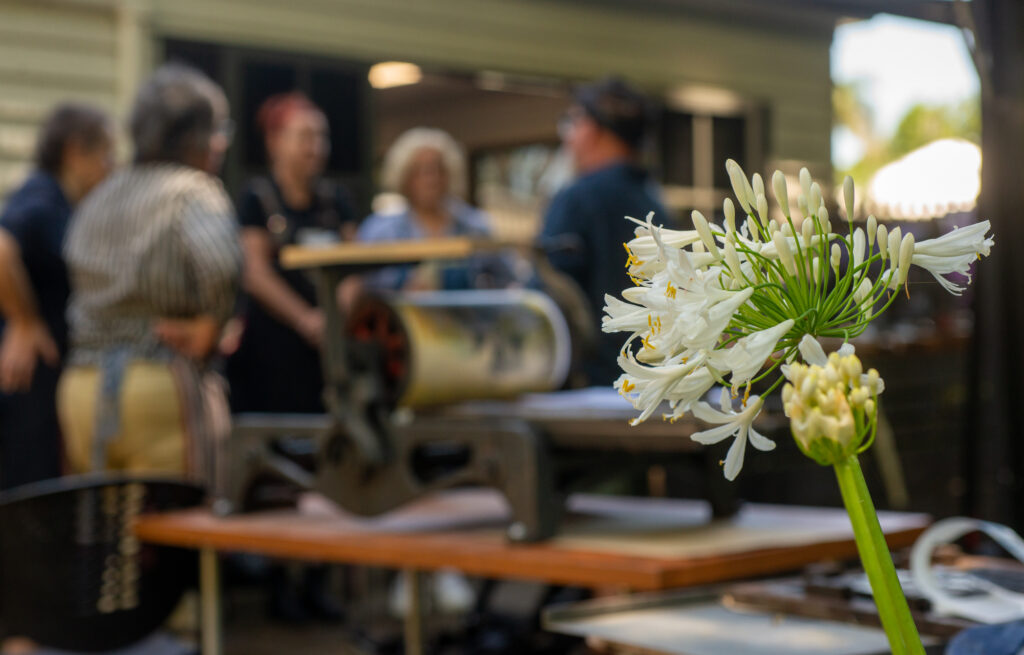
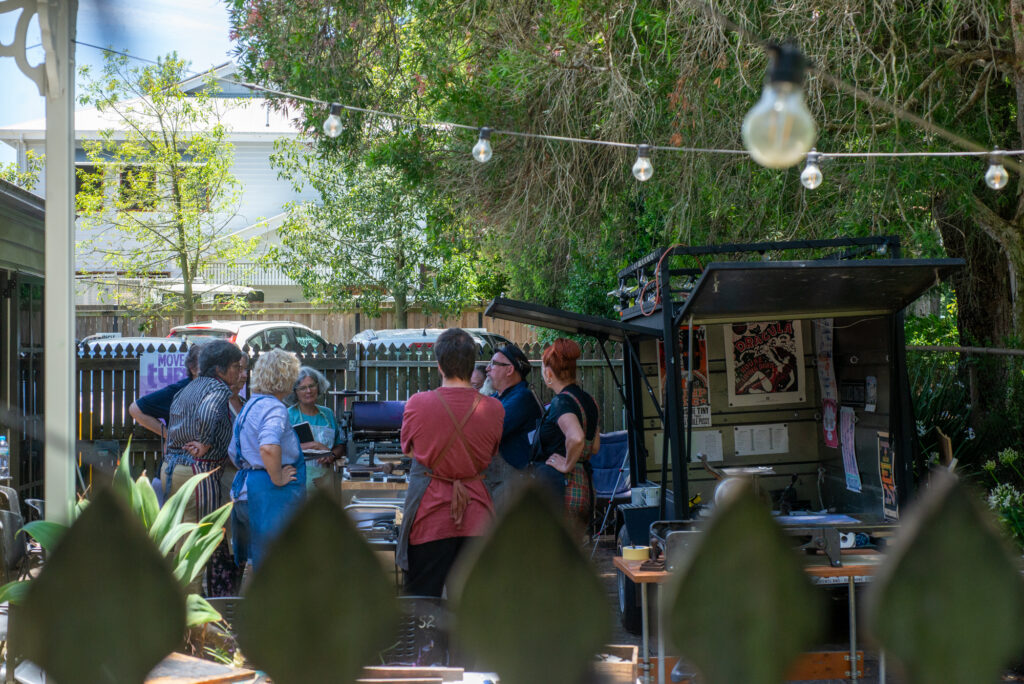
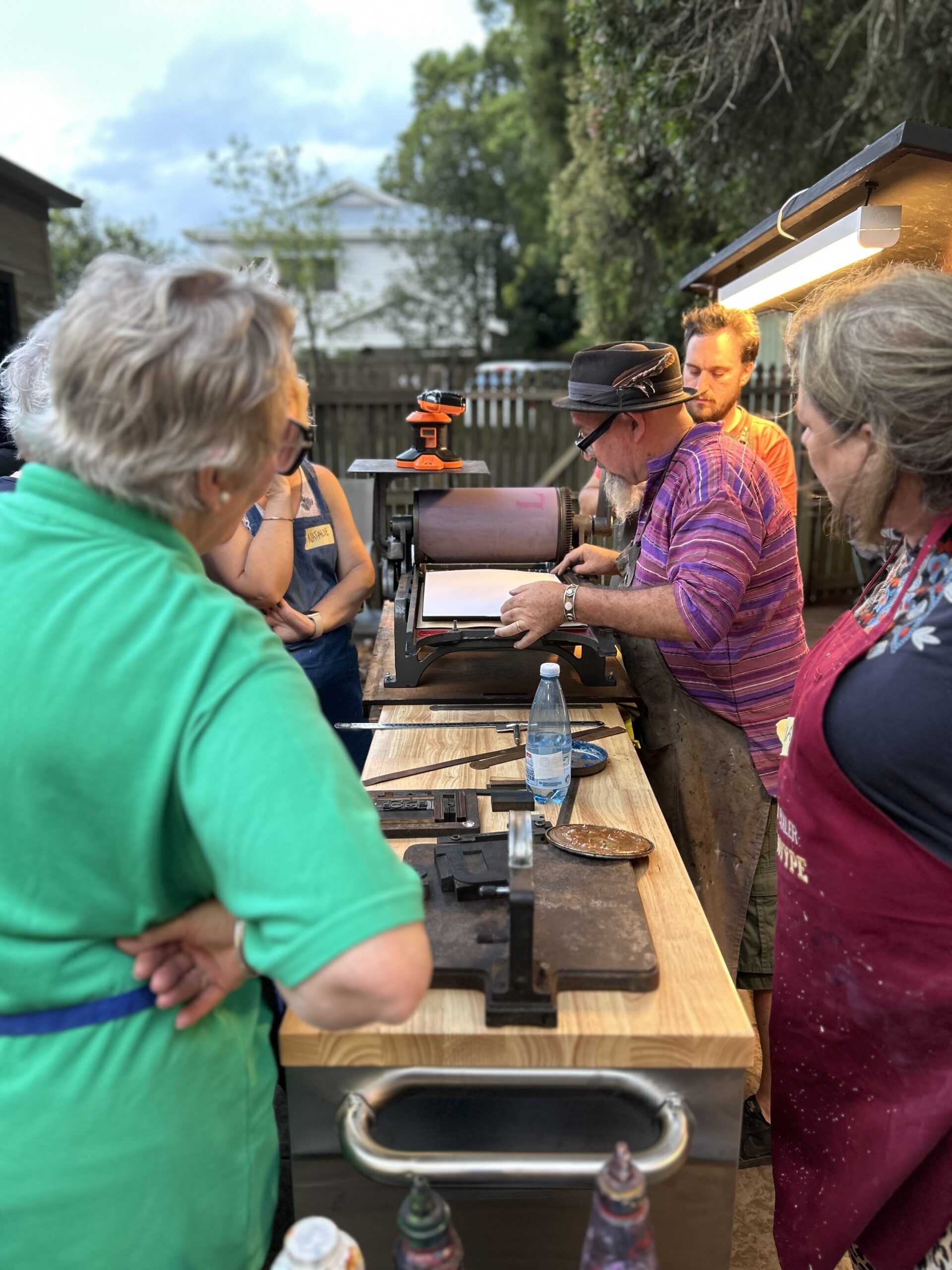
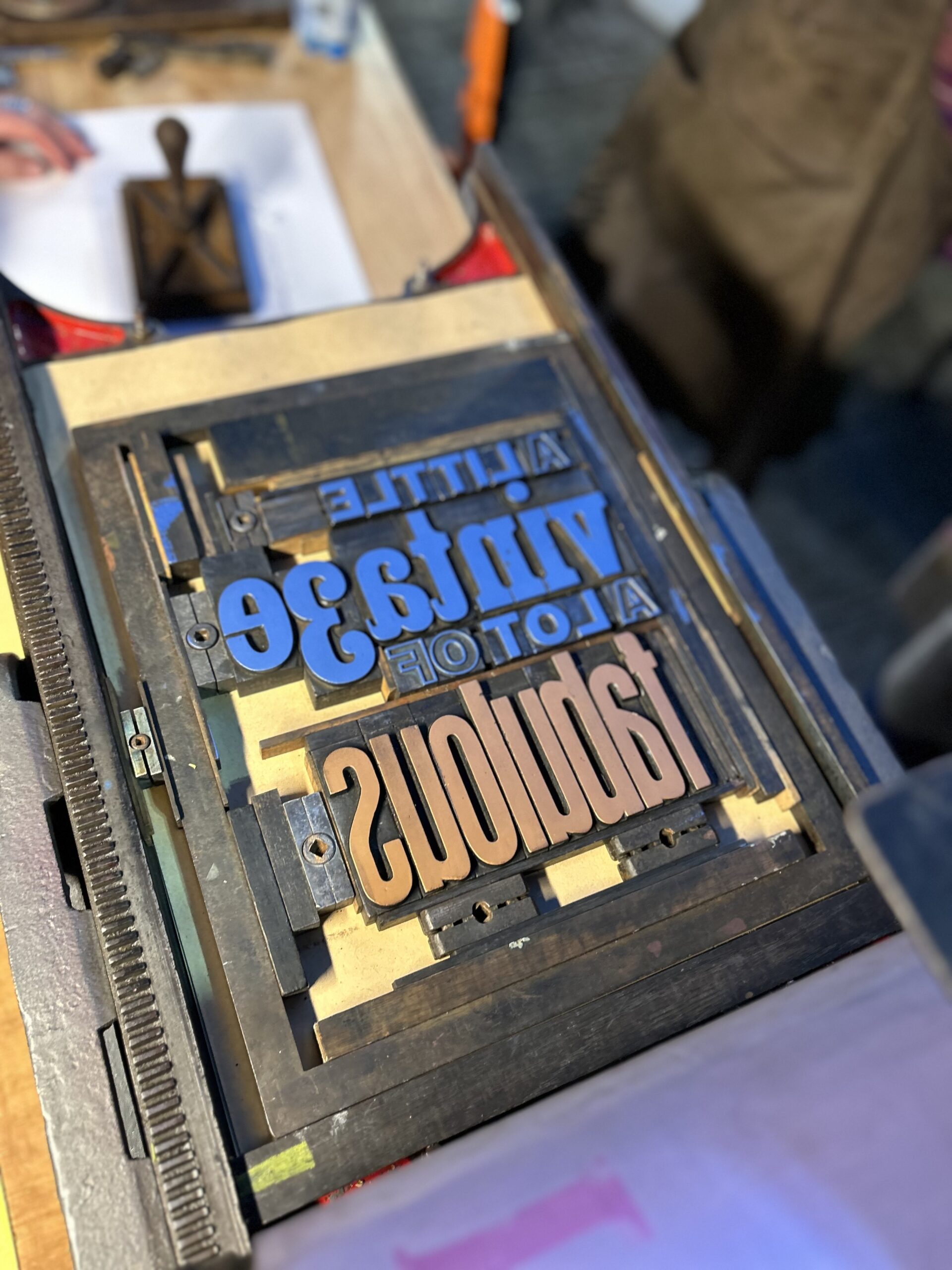
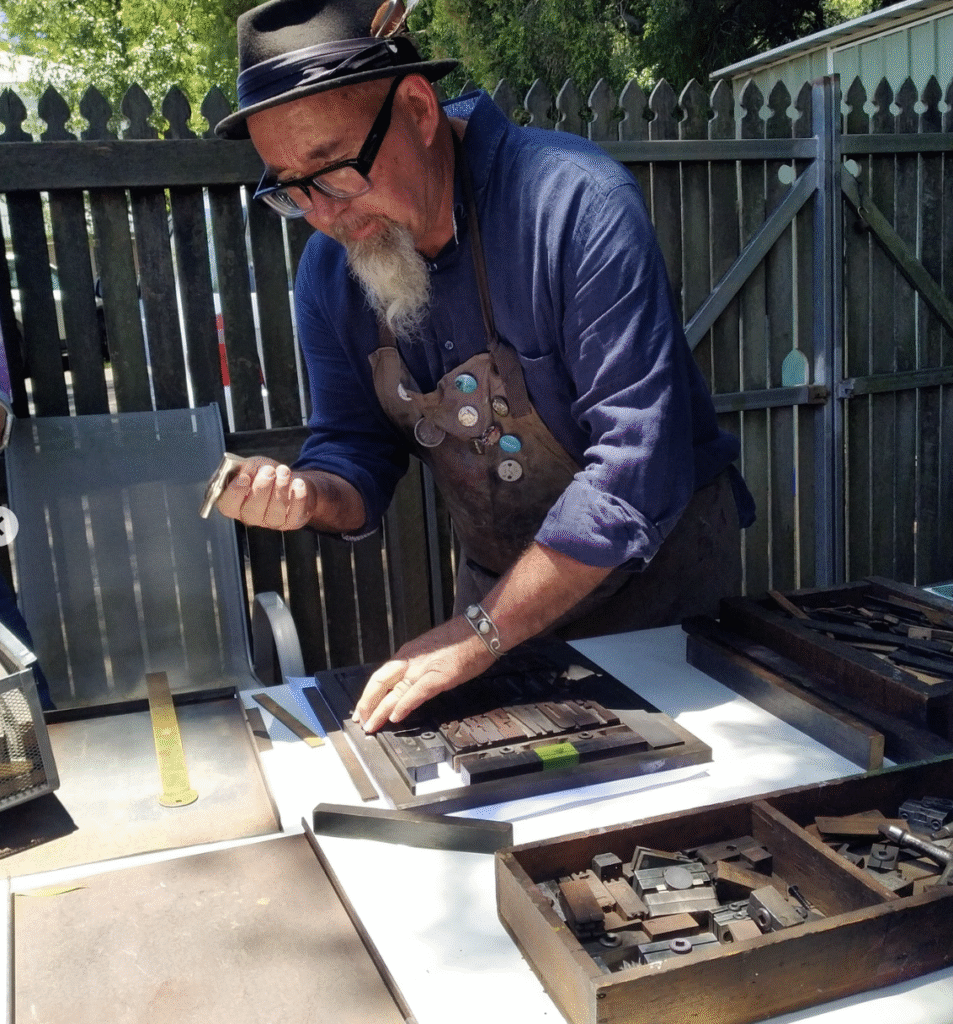
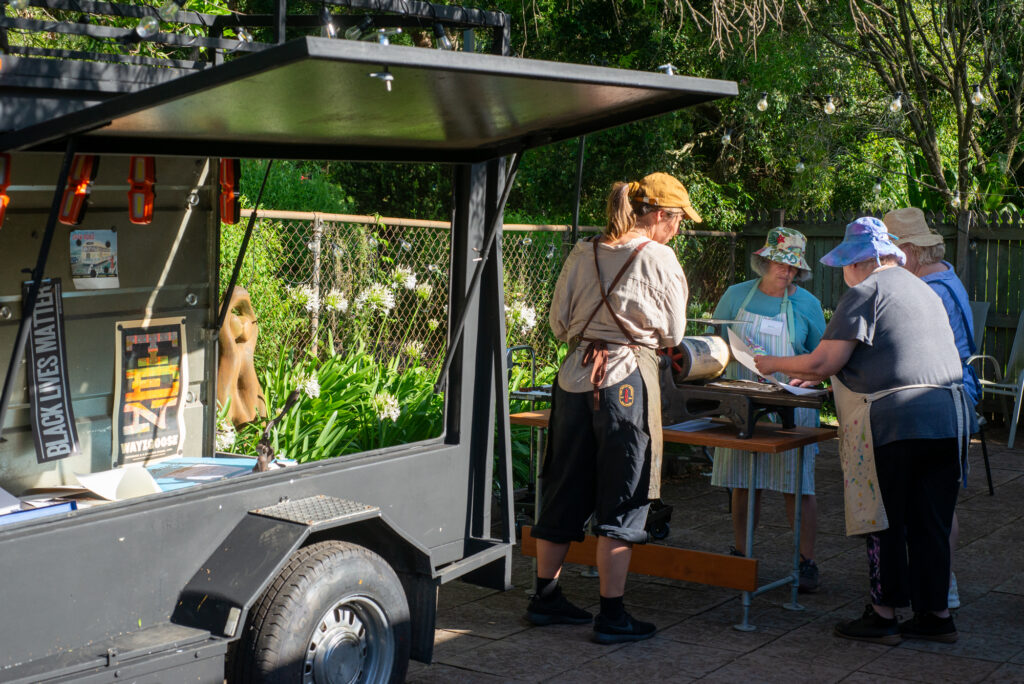
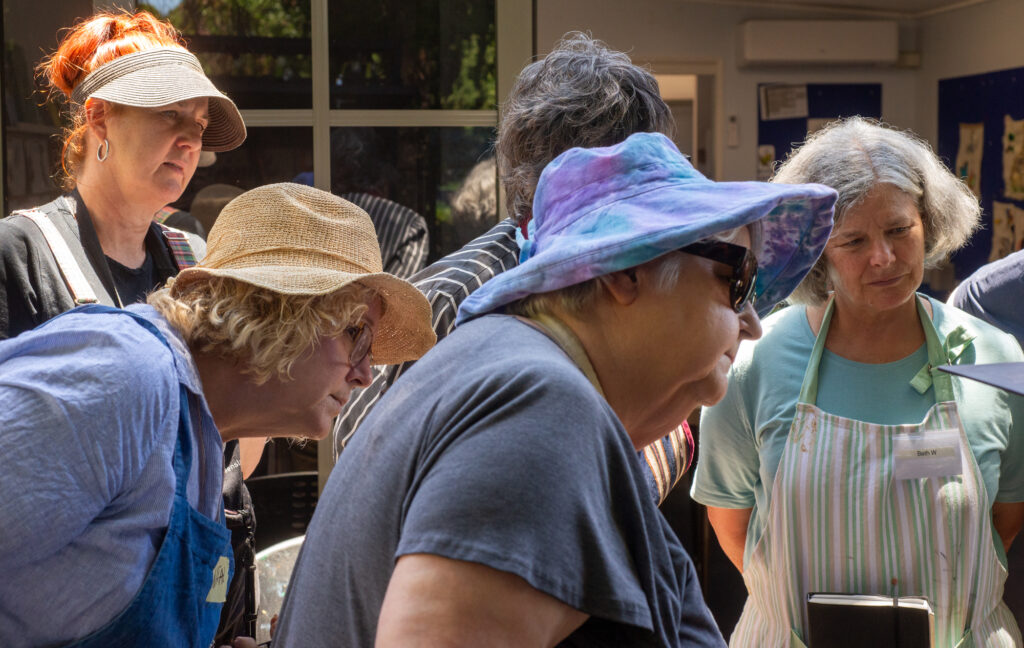
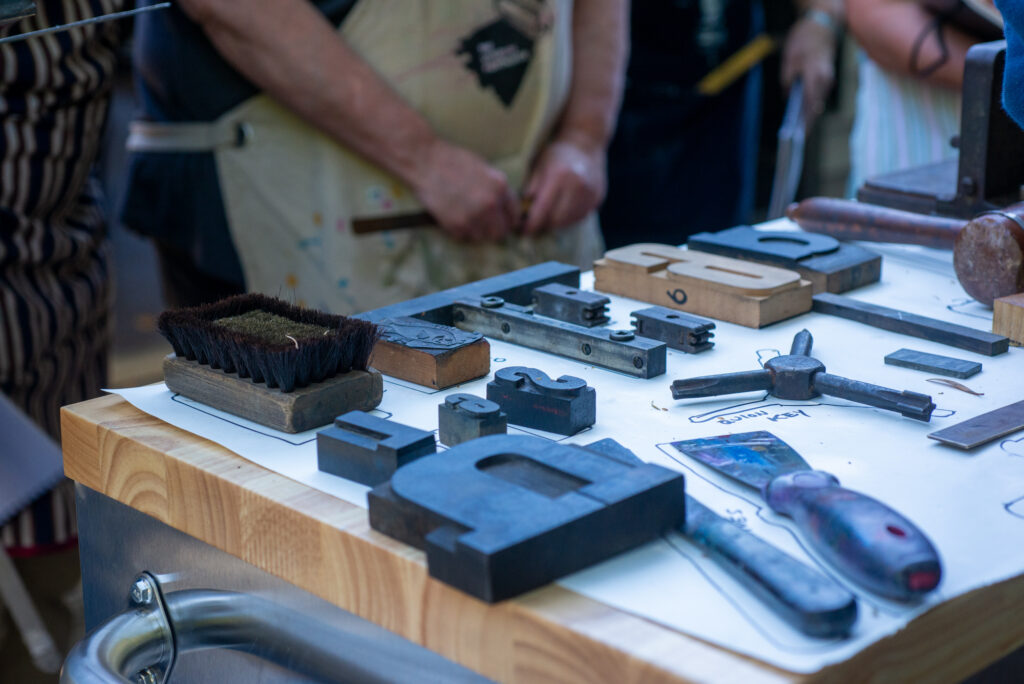
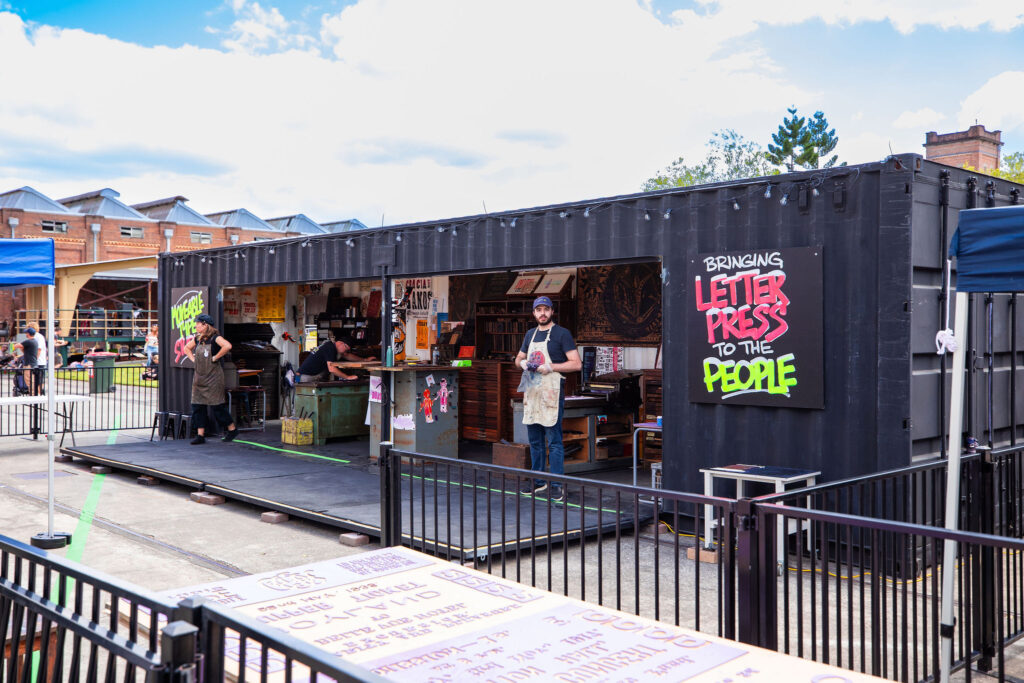
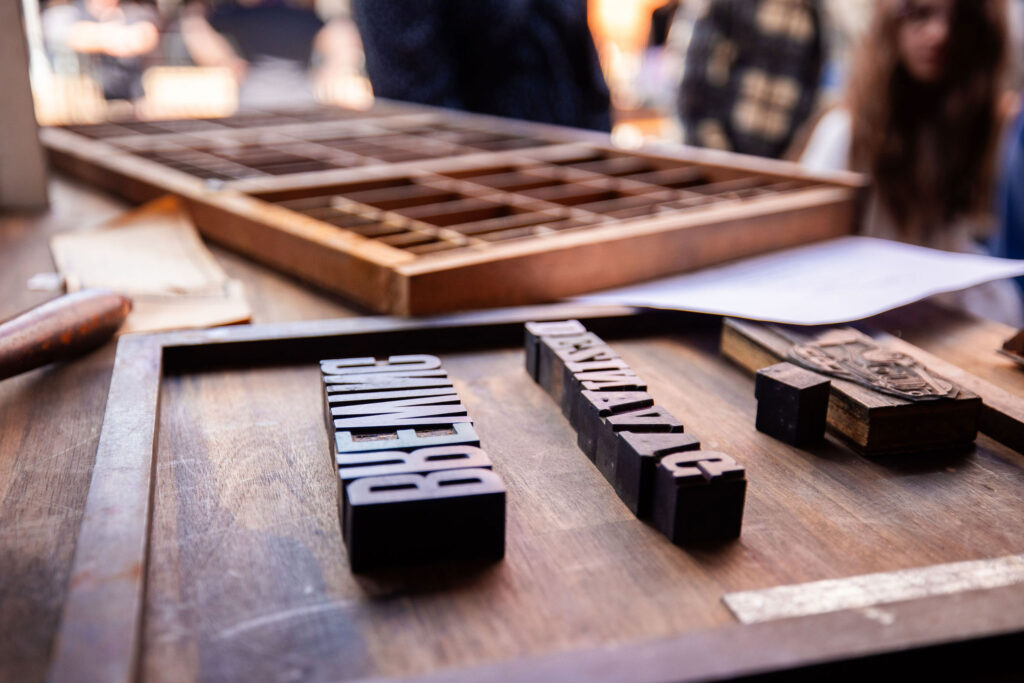
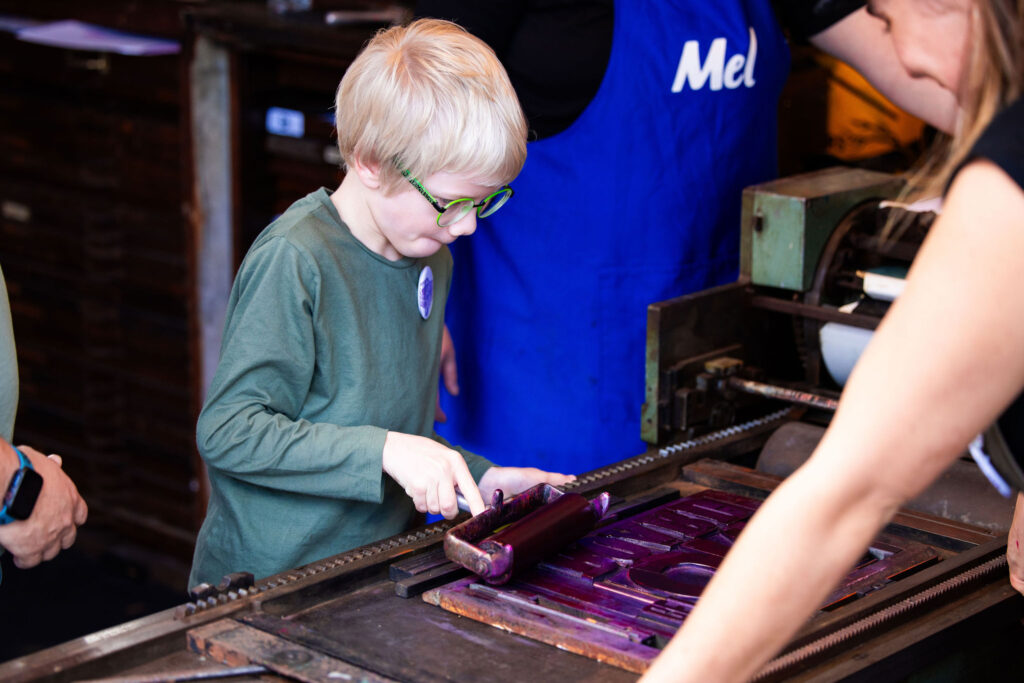
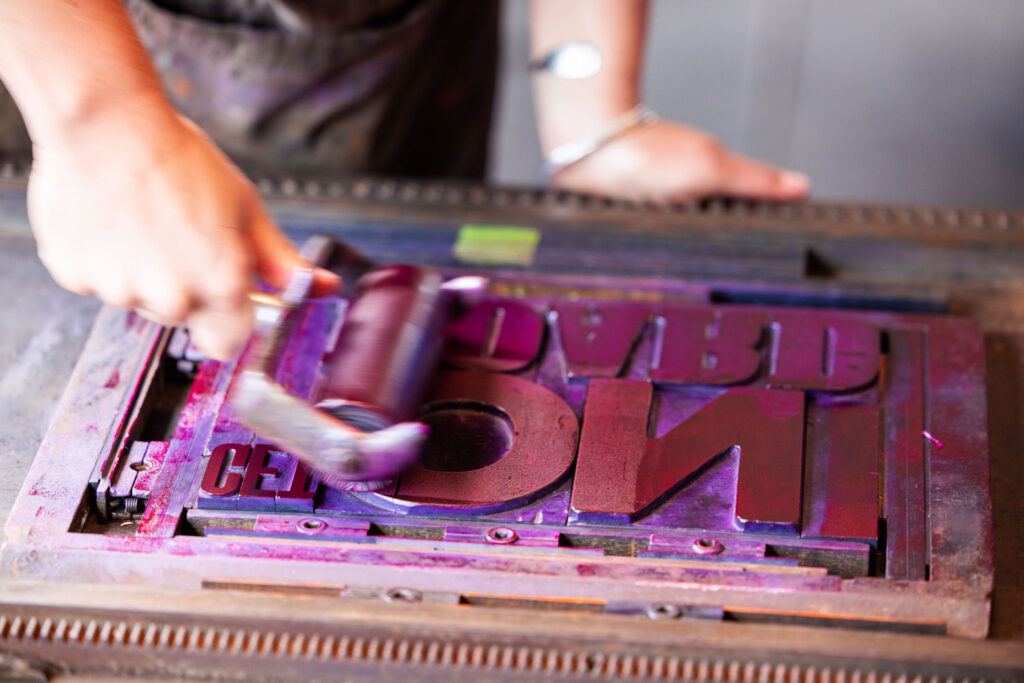
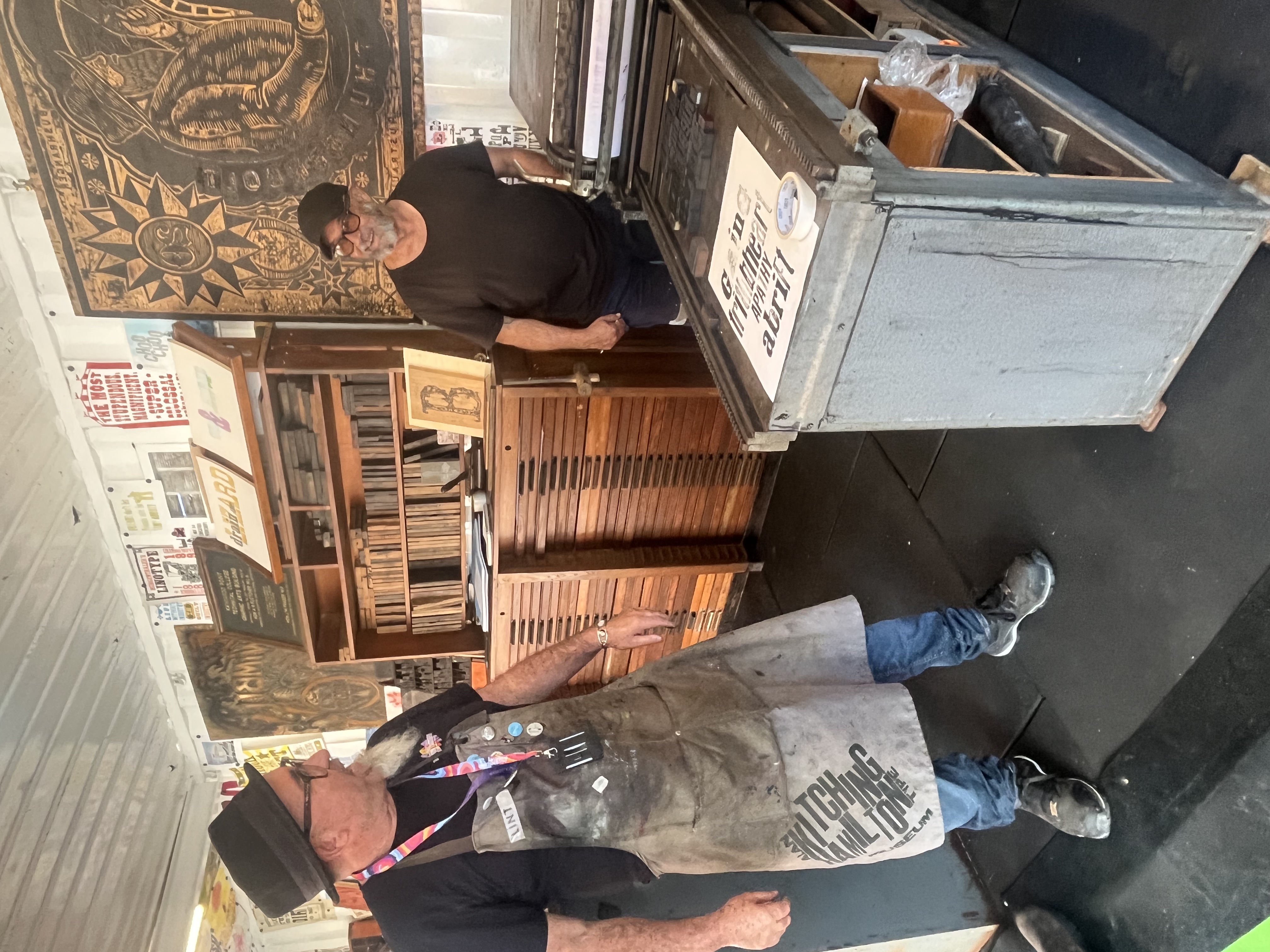
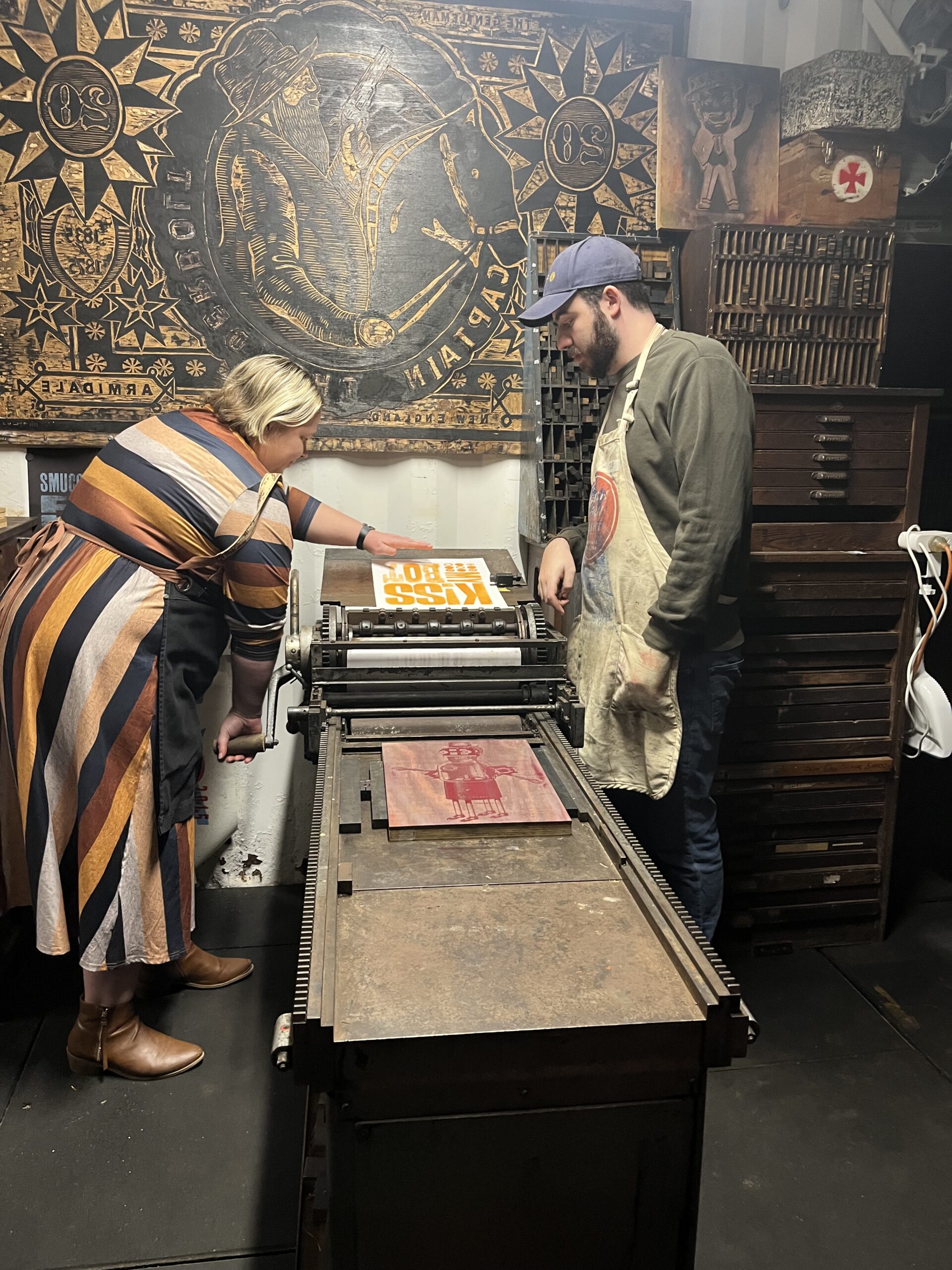
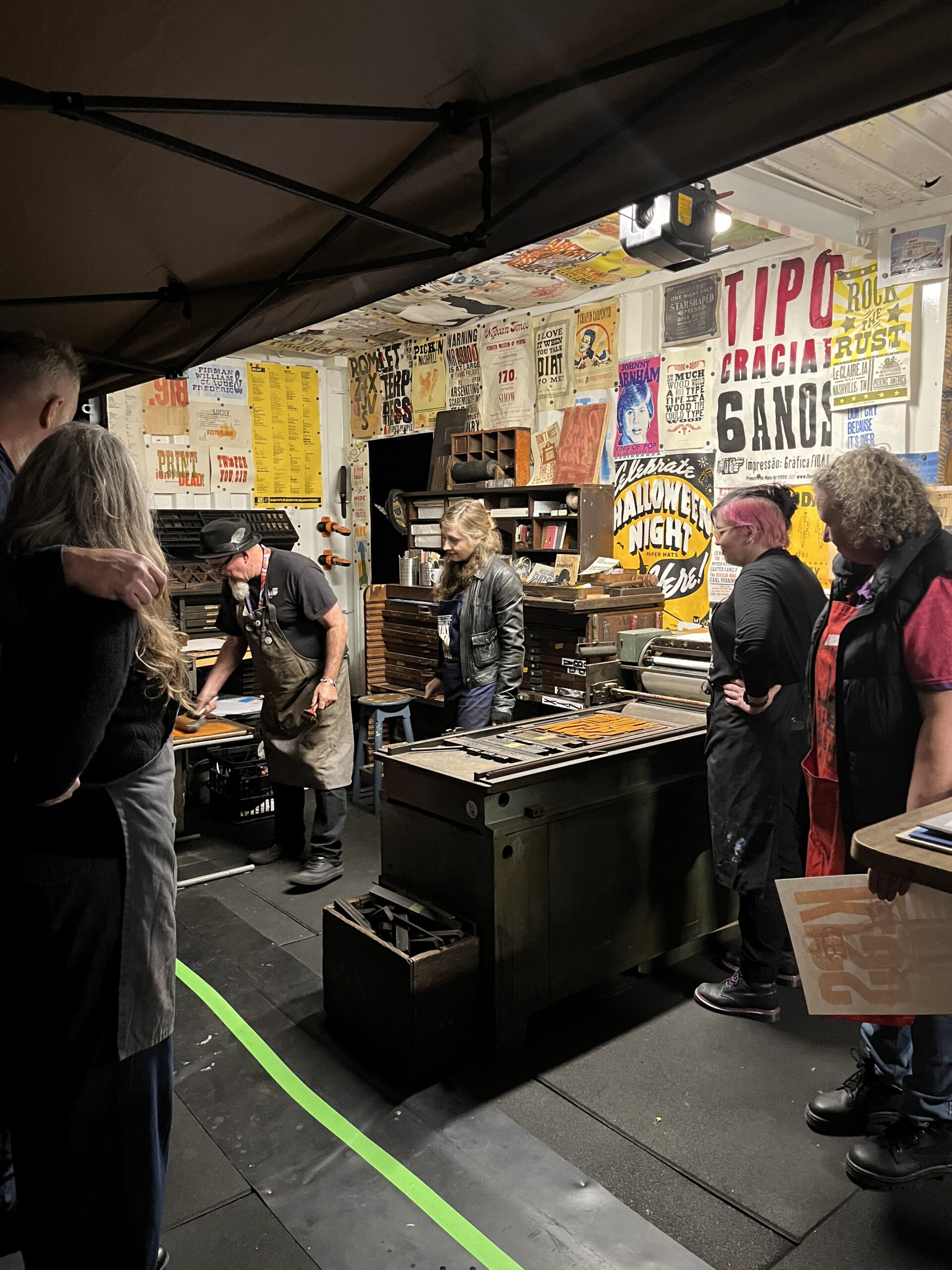
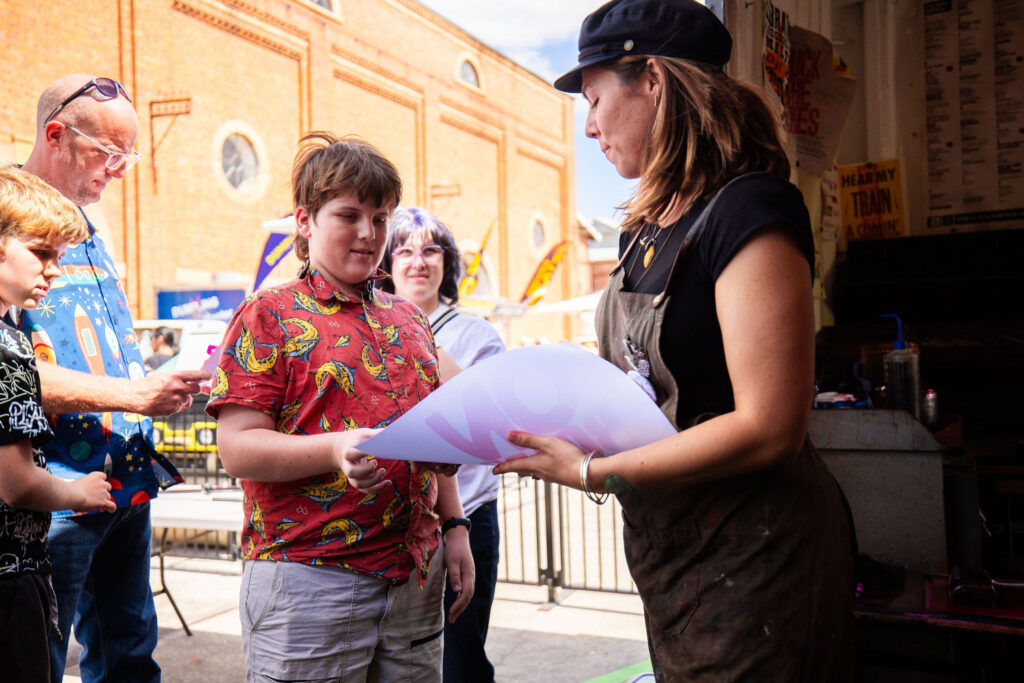
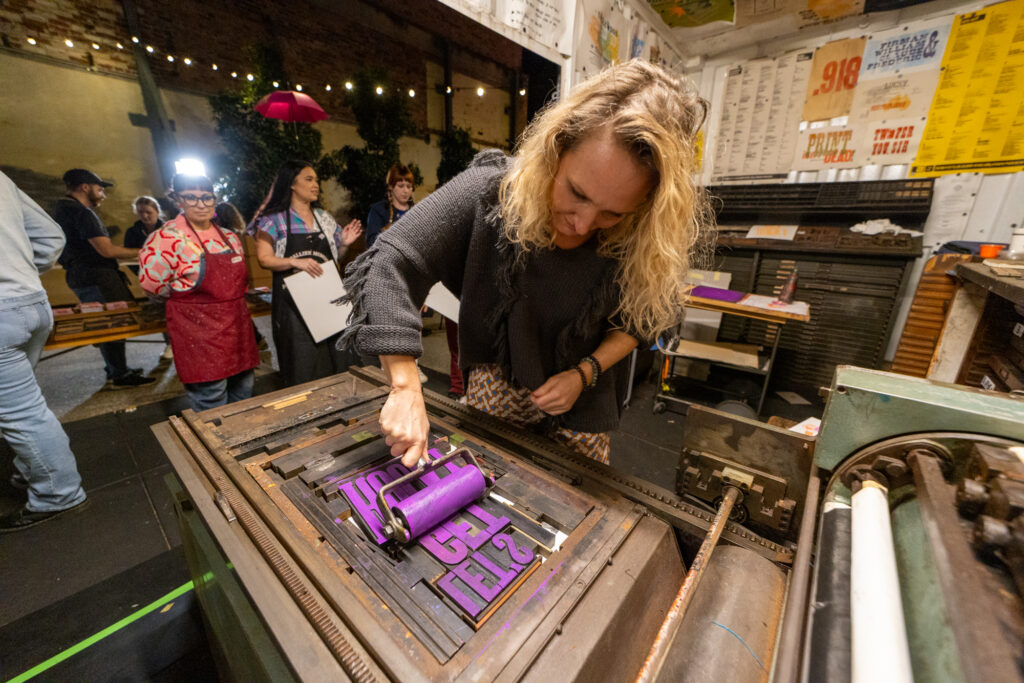
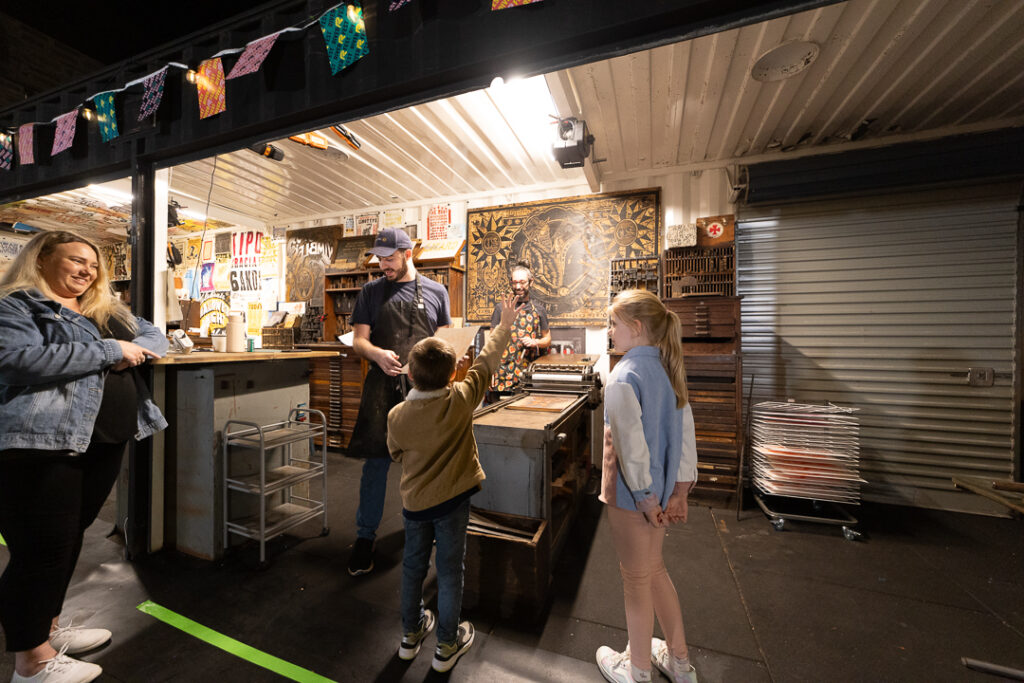
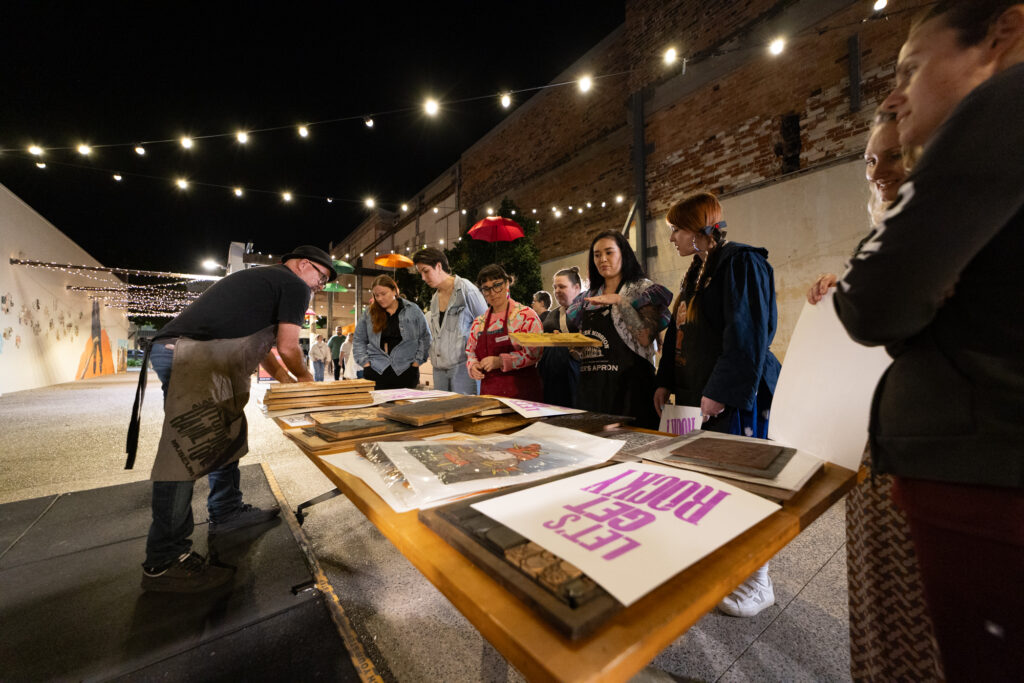
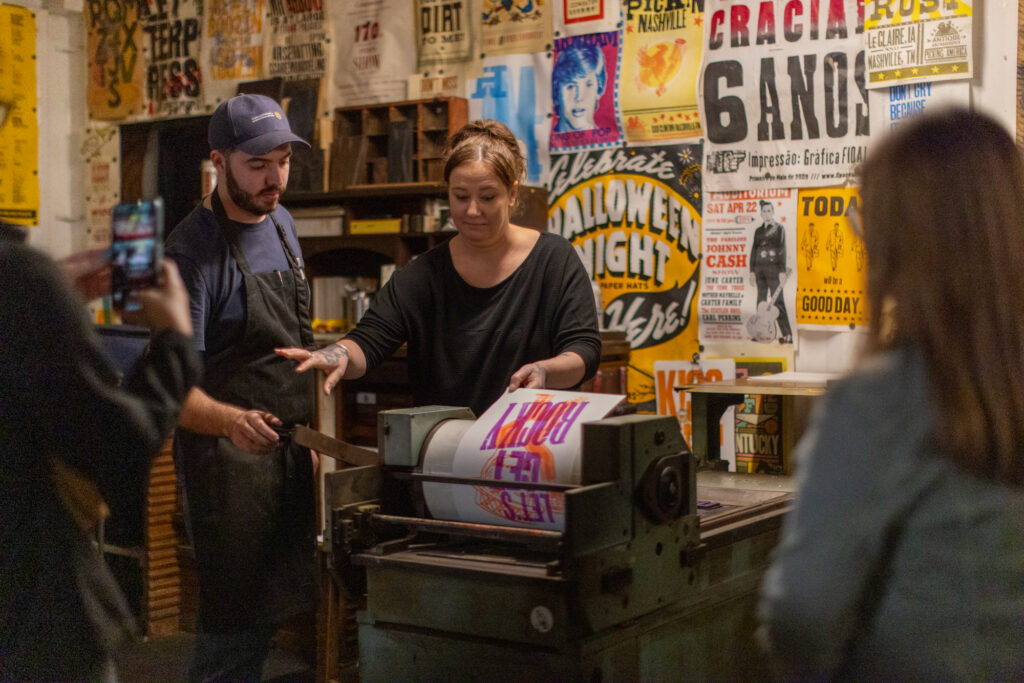
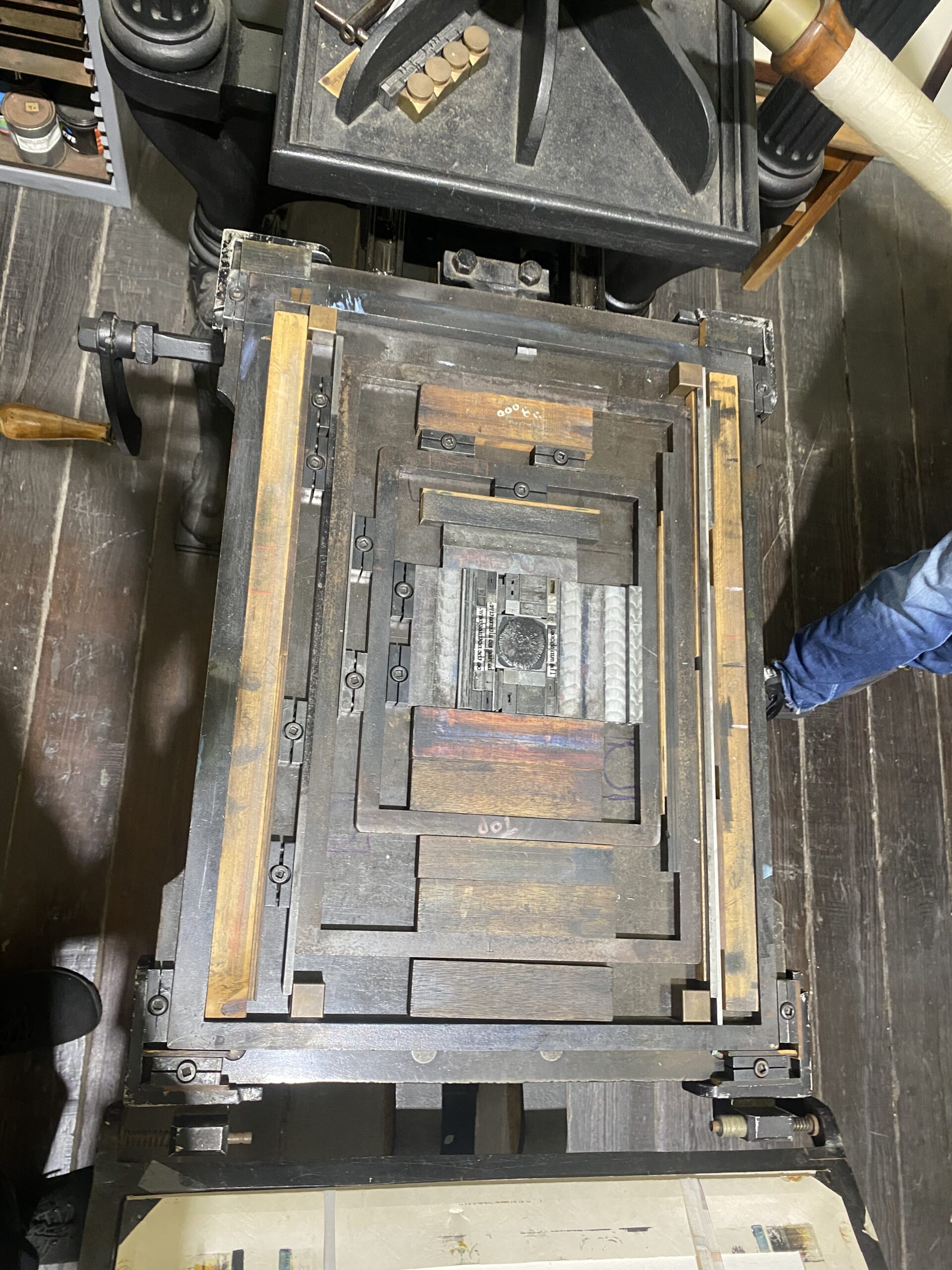
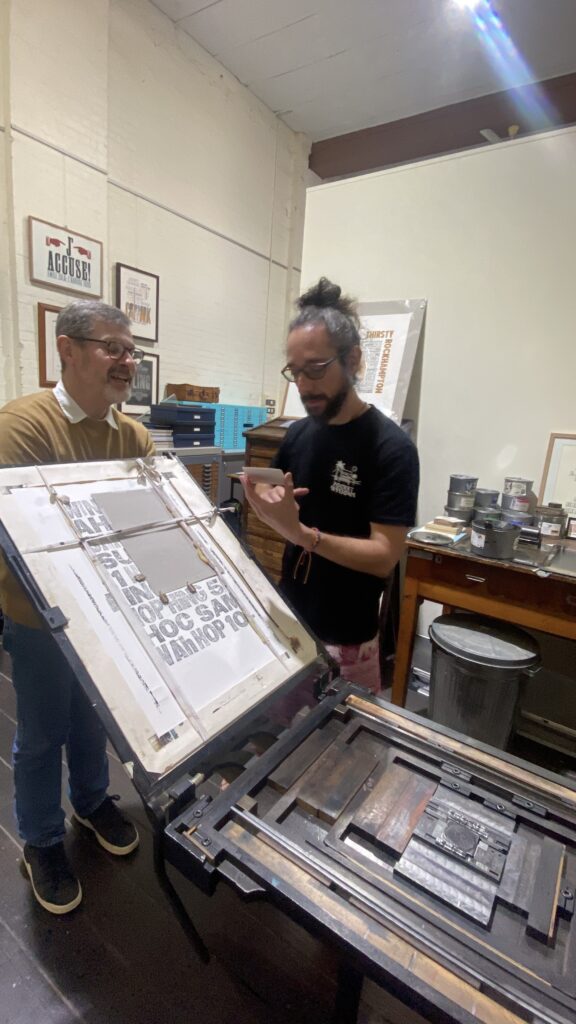
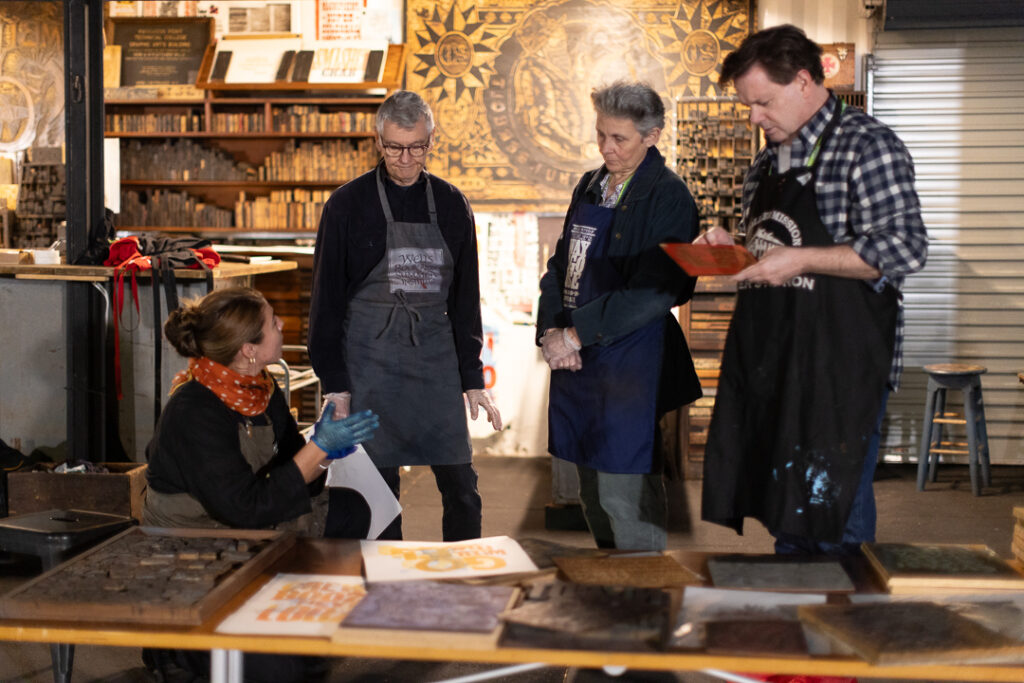
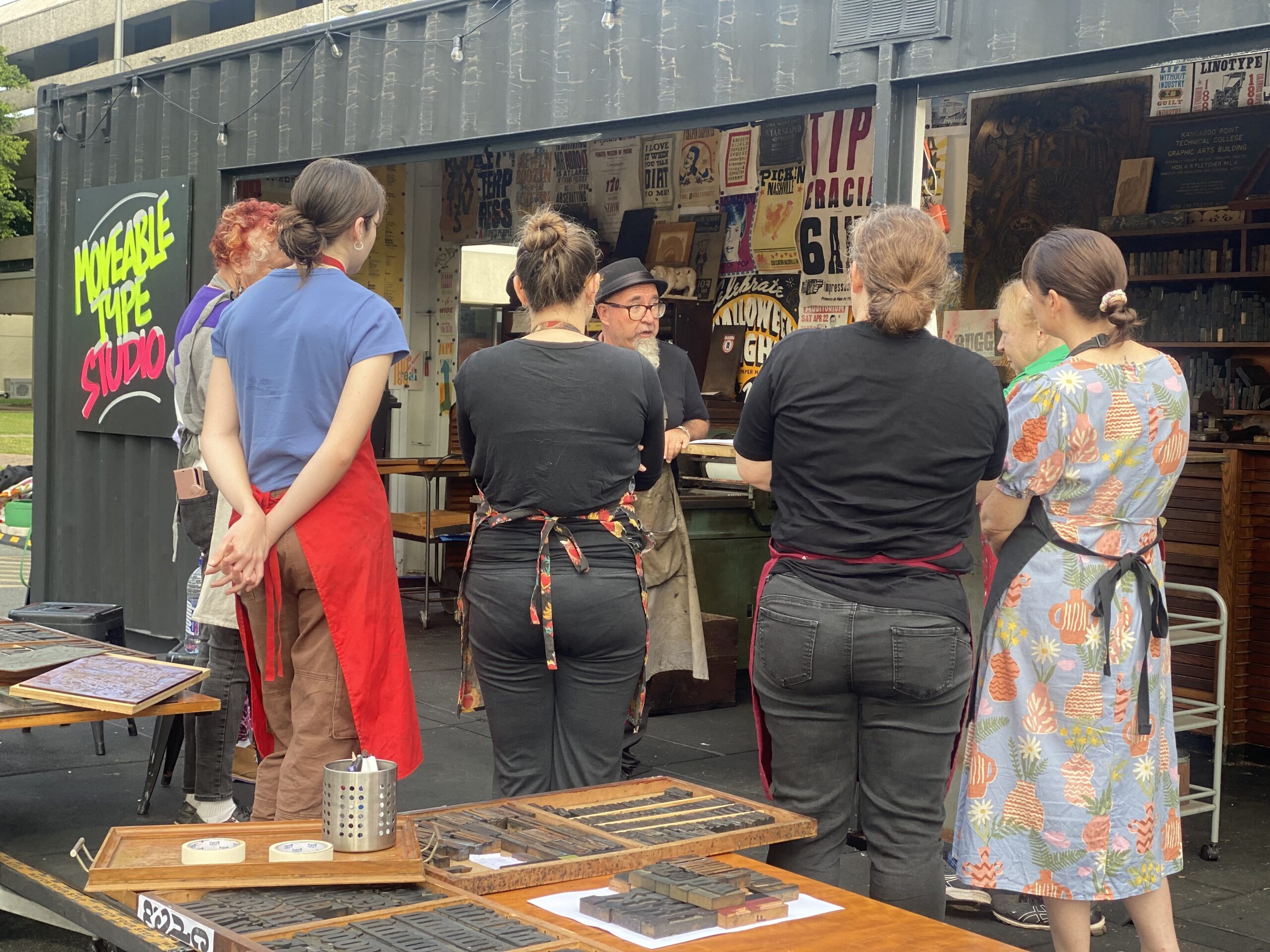
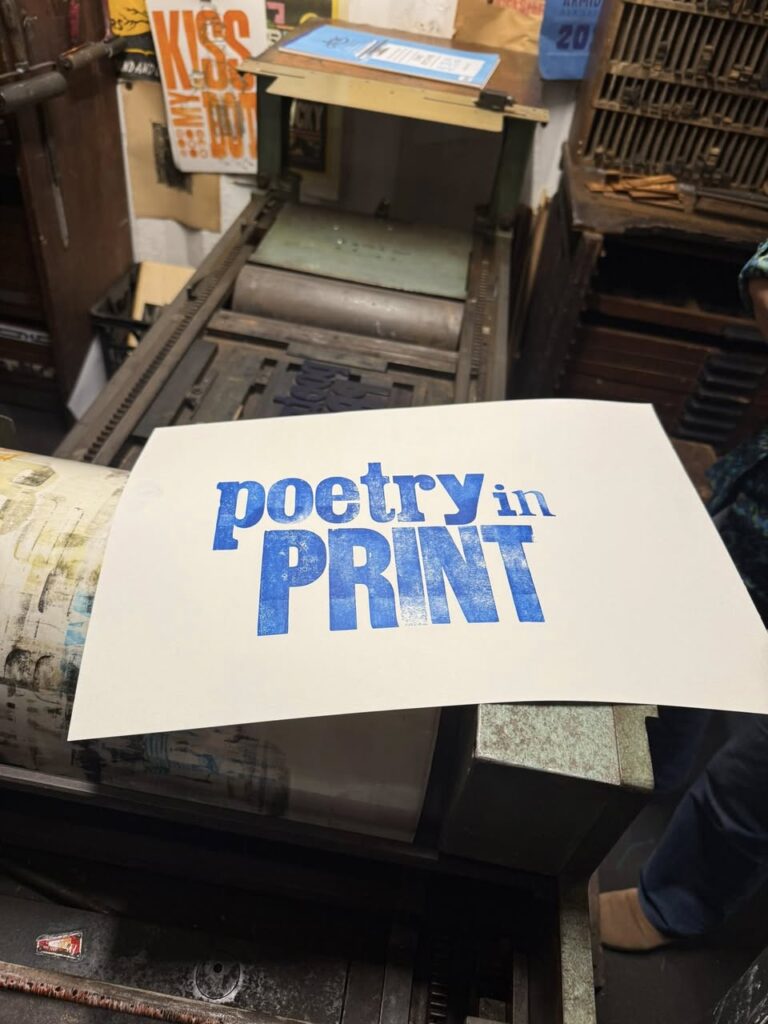
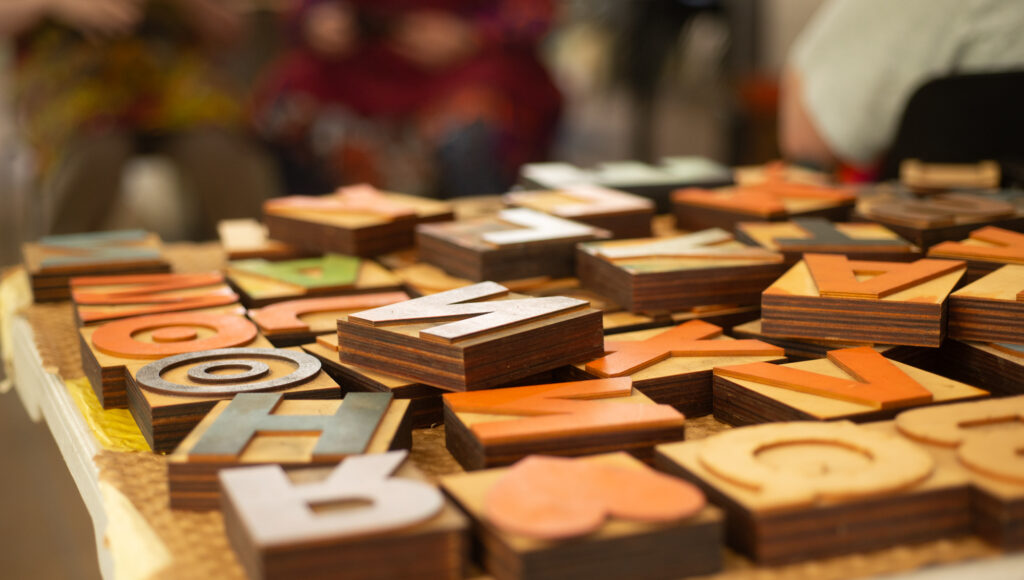
Into the courtyard we had set up our portable tabletop Poco proof presses and talked participants through the tools of the letterpress trade – traditional handset lead type, wood type, pictorial stereotypes along with the the foundational principles of letterpress. Principles that were everyday knowledge for a government printer in 1872 and are almost entirely unknown today.
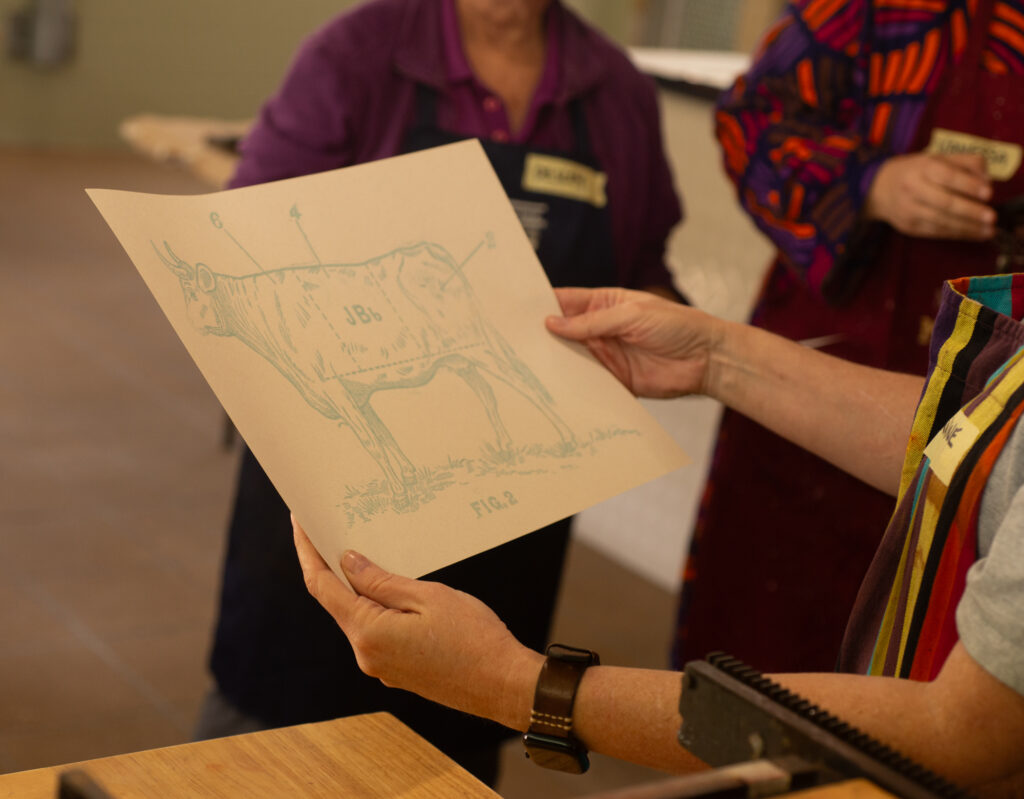
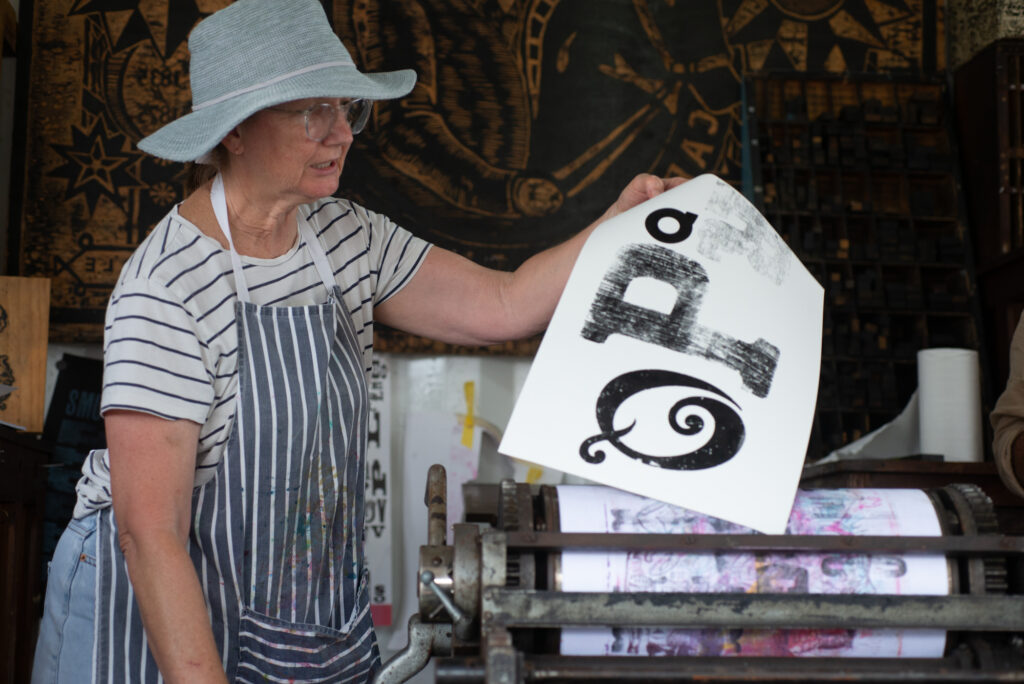
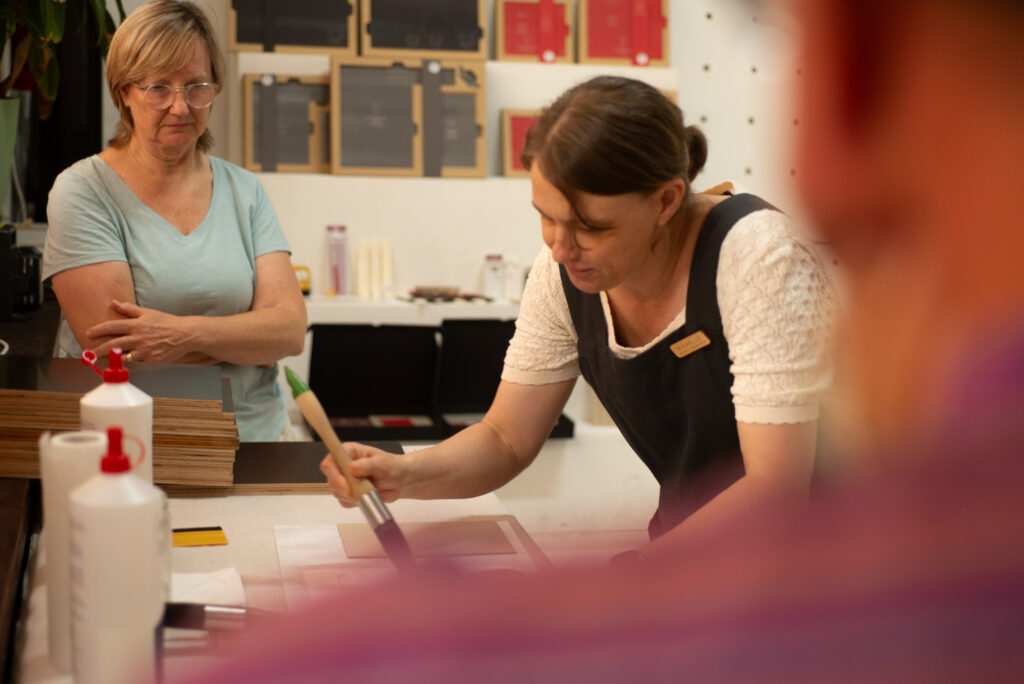
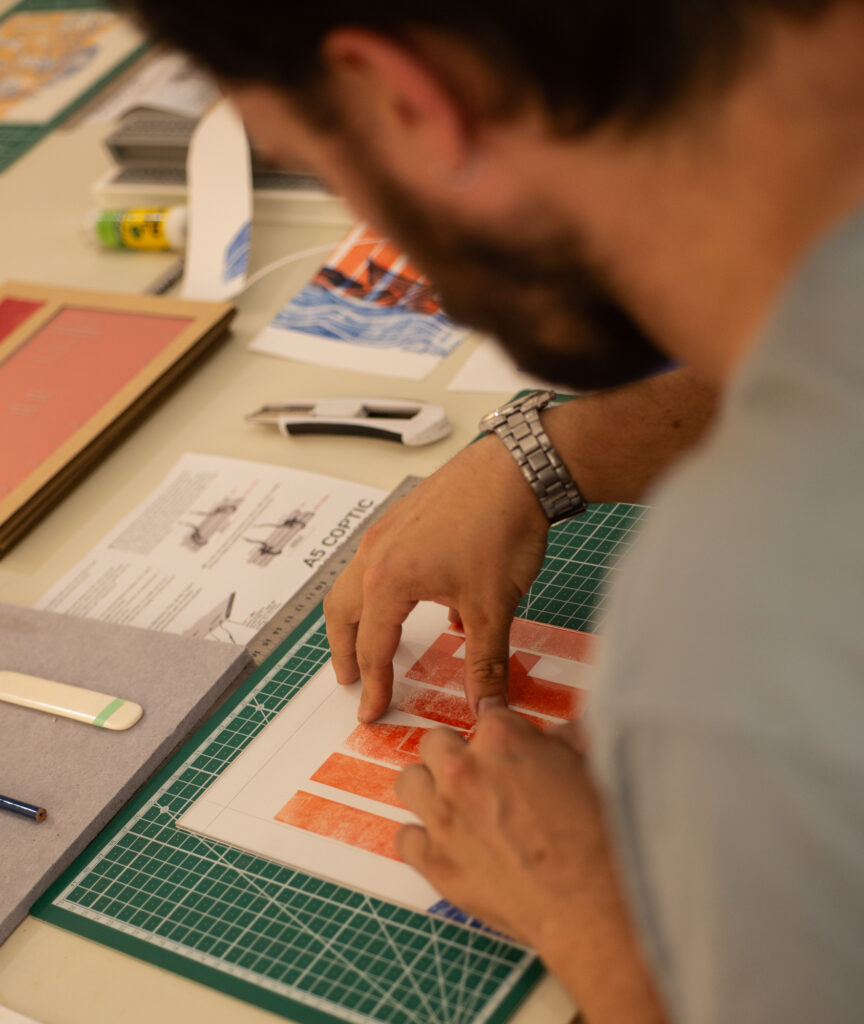
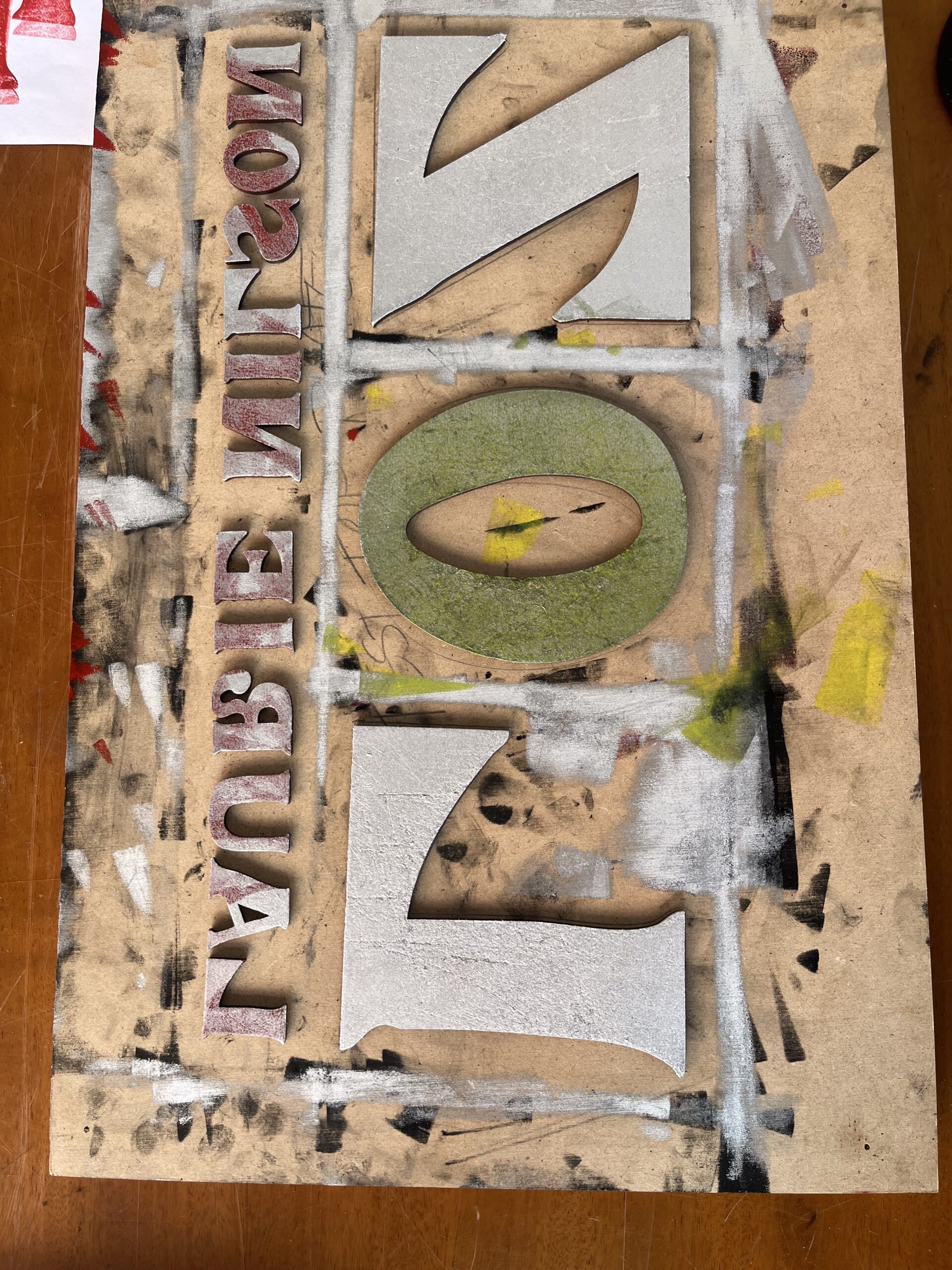
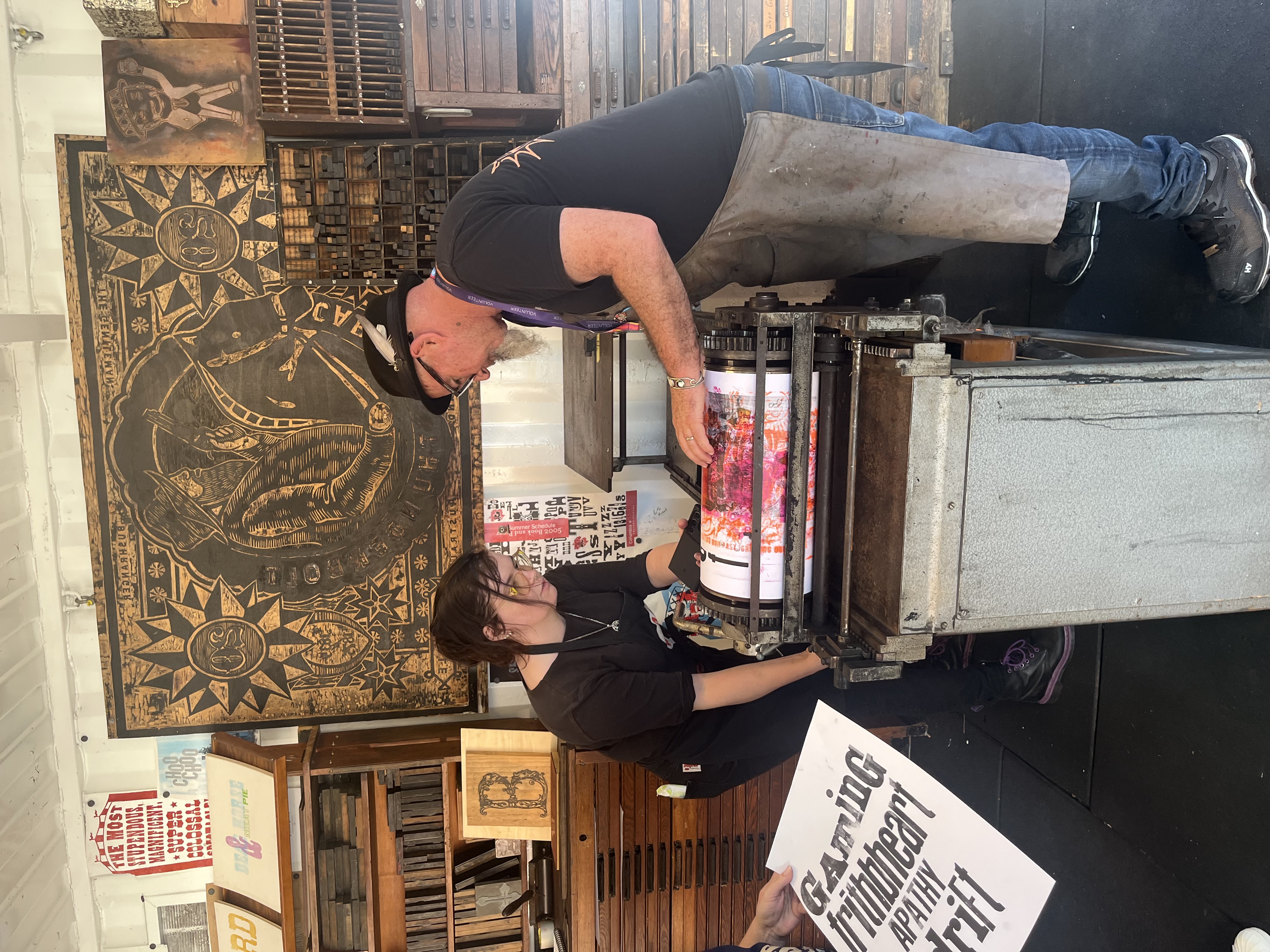
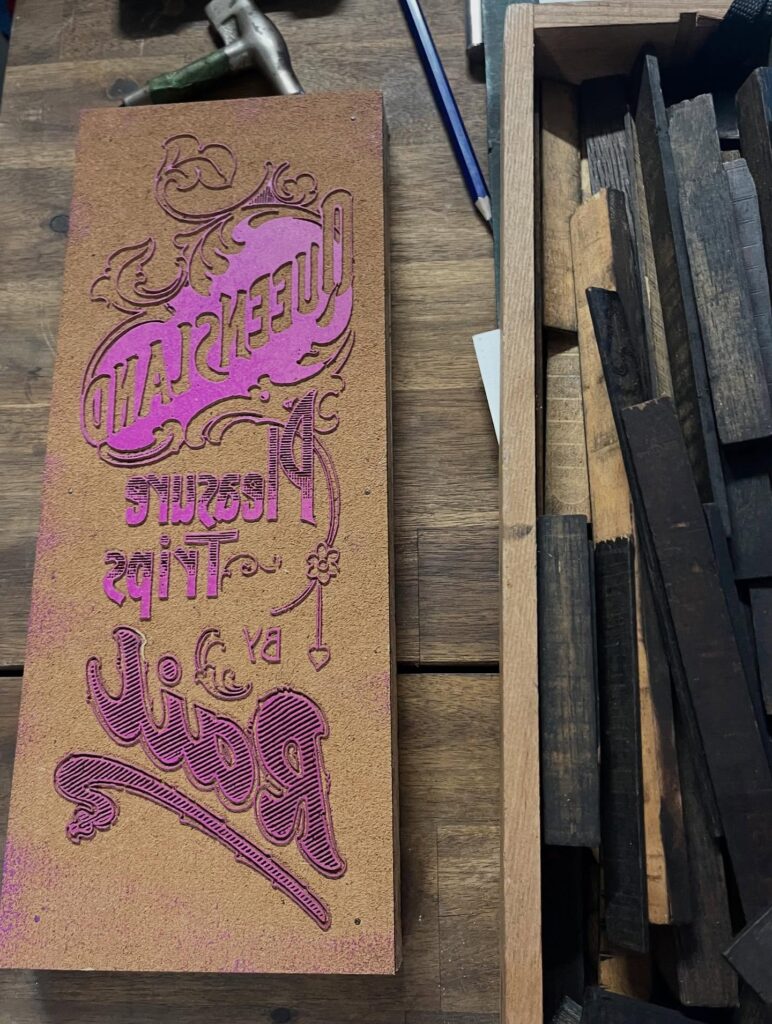
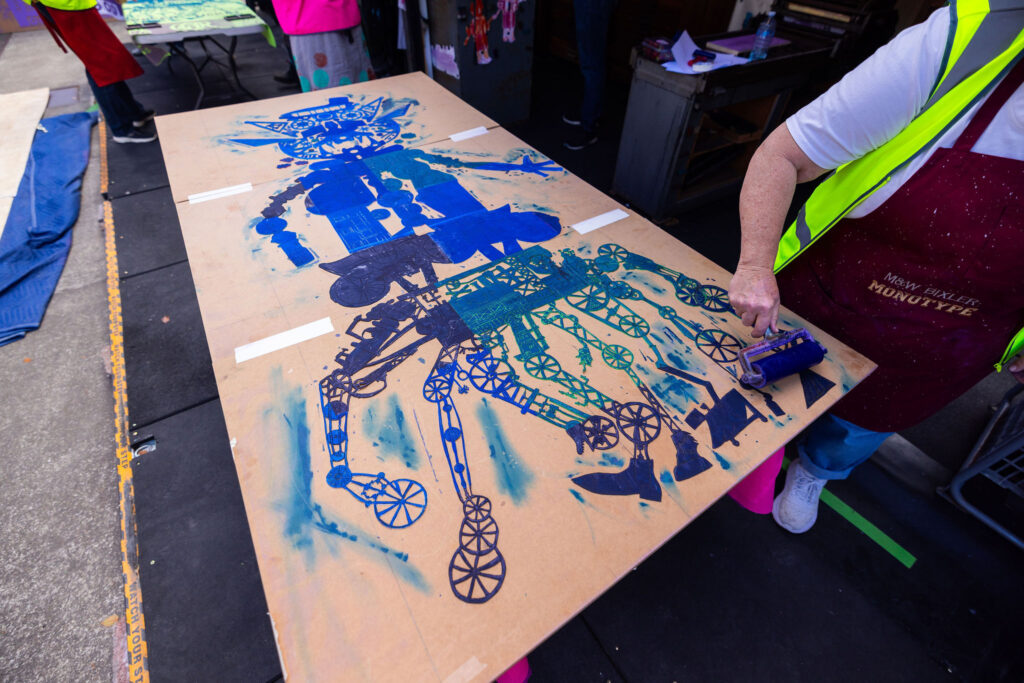
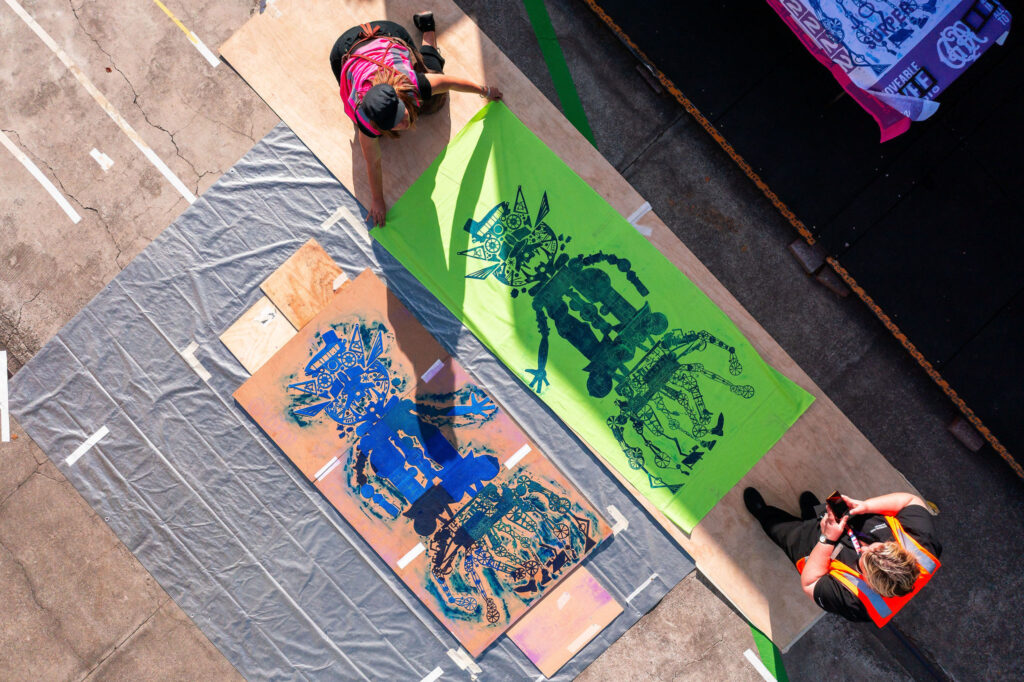
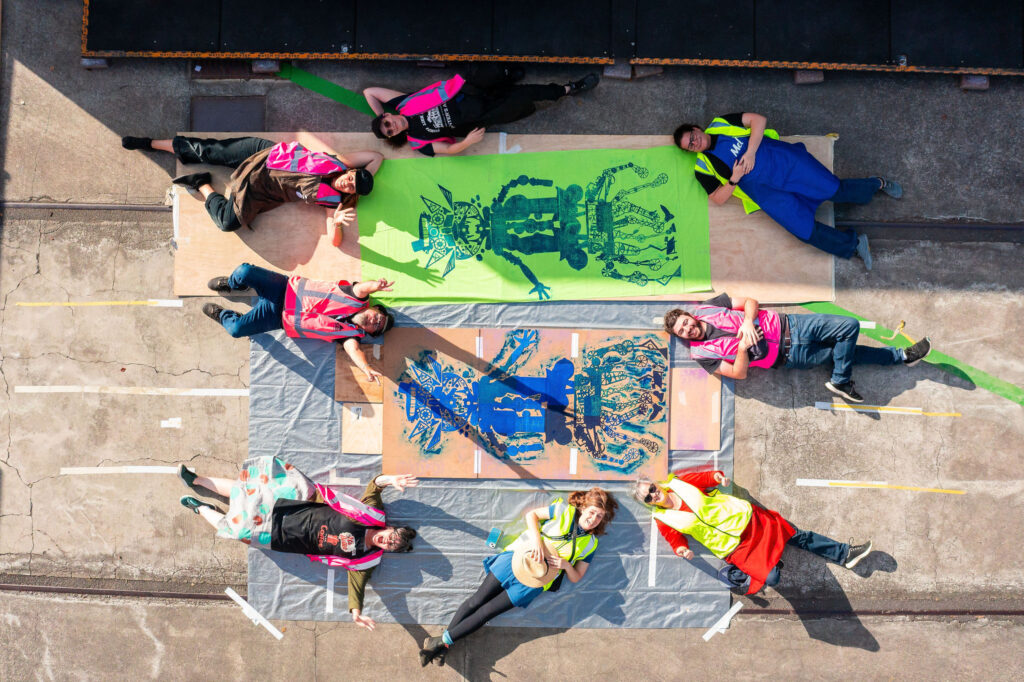
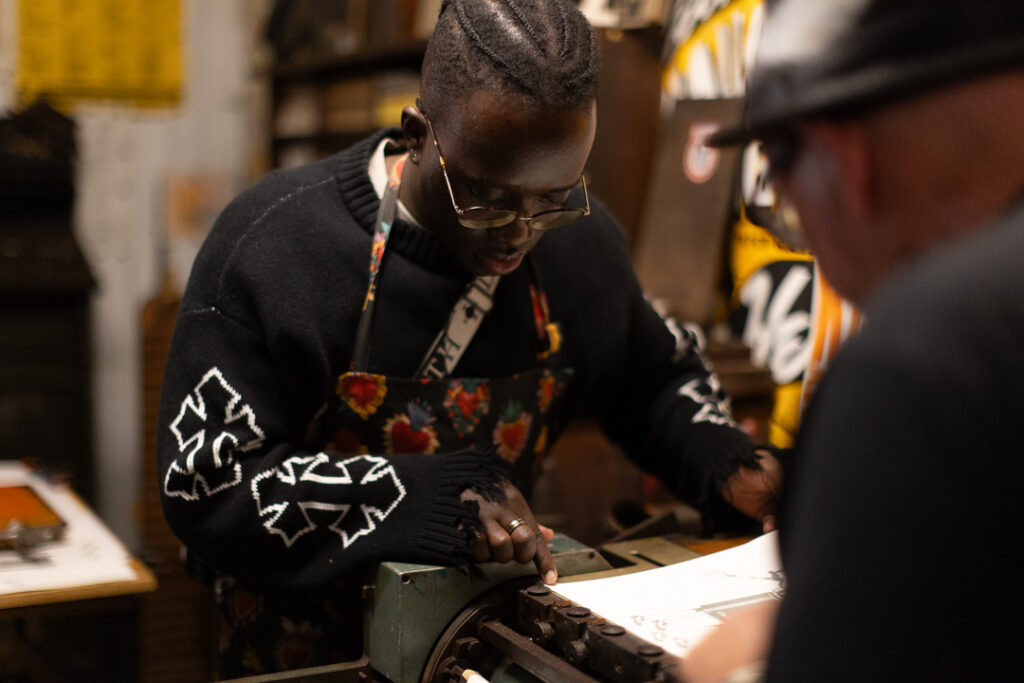
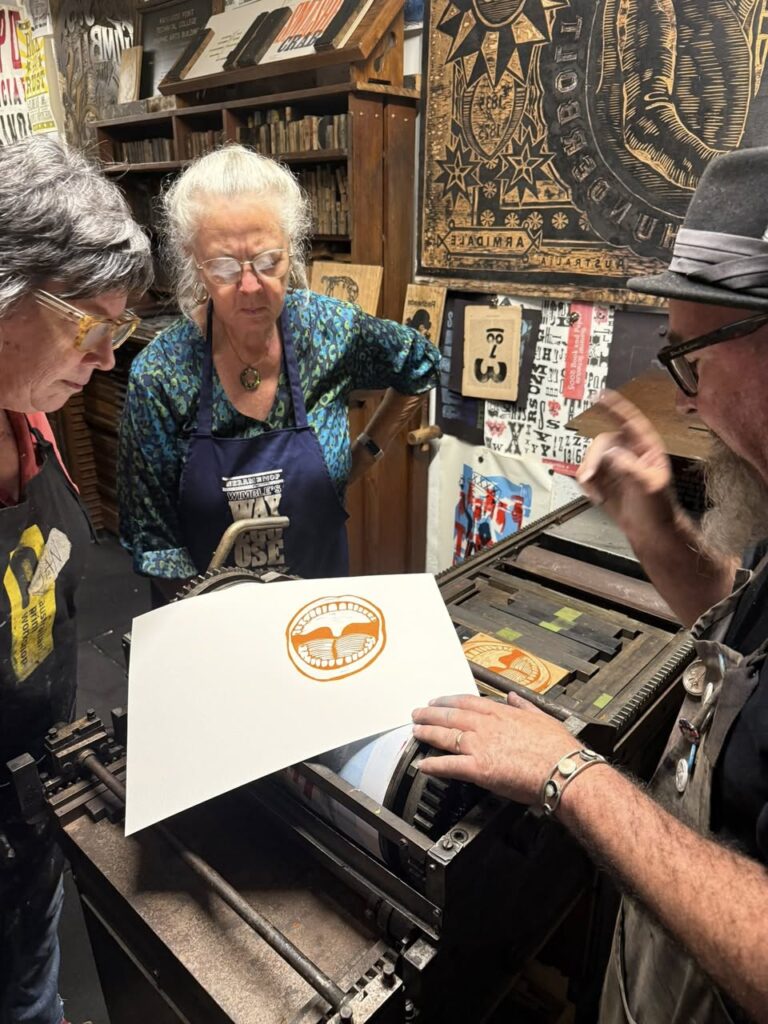
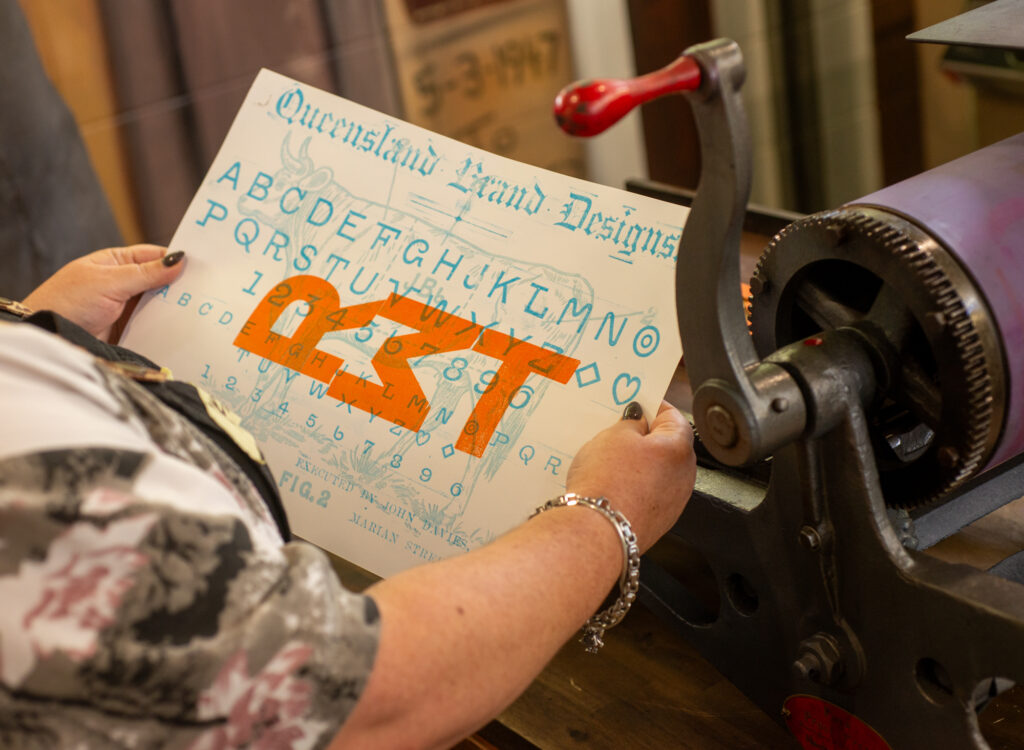
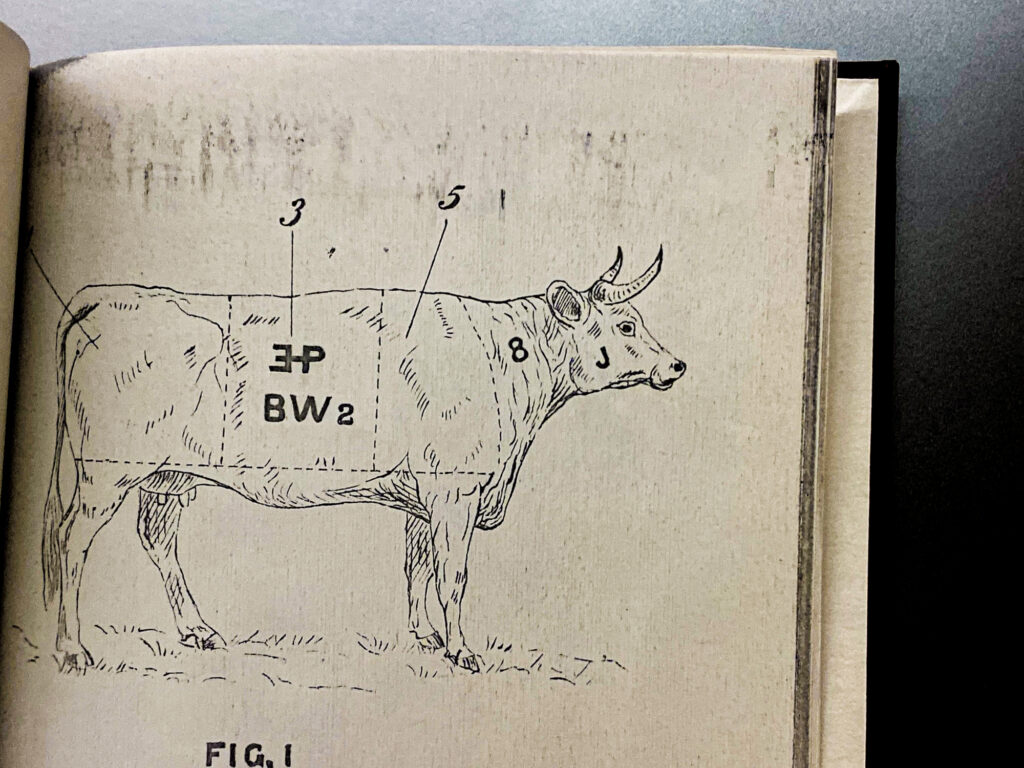
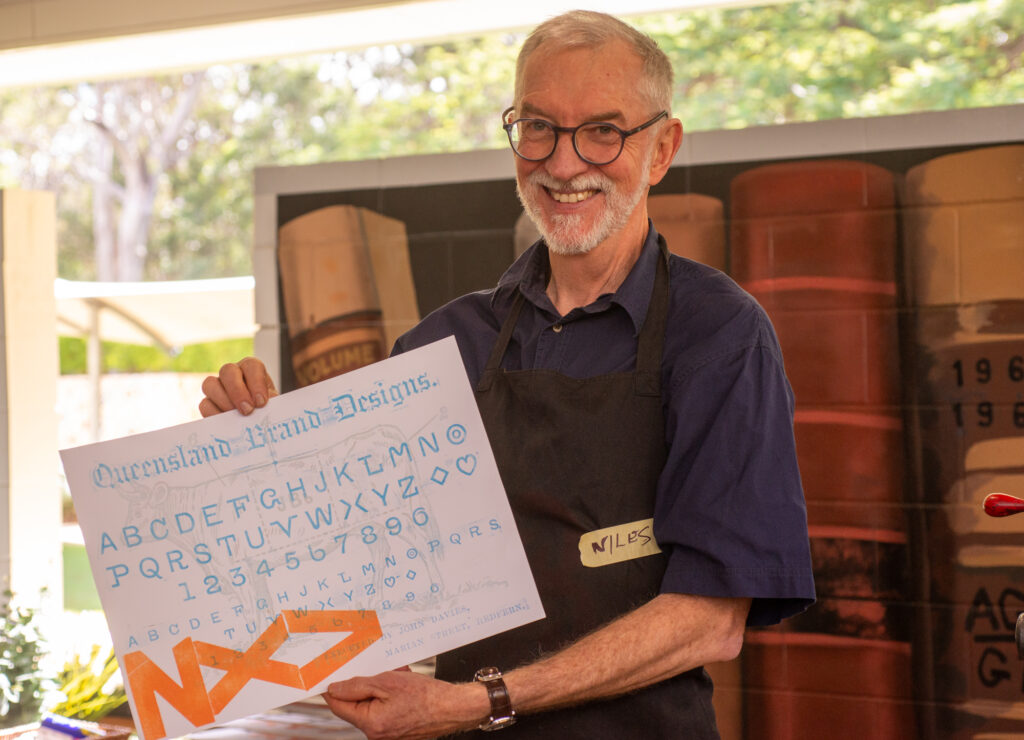
We then started printing! The first pass of the press was a laser-engraved printing plate taken from an illustration in an early Brands Act publication which we came across at the State Library of Queensland, a diagram showing a beast with the branding positions marked on its body, a practical guide for cattle owners learning whthe ere to apply the 3-piece brand mark. We digitised it, ran it through laser engraver at The Edge makerspace at the State Library of Queensland, and produced an A3 laser-engraved relief printing plate. Participants inked it up and pulled their first proof: a large colonial beast on paper.
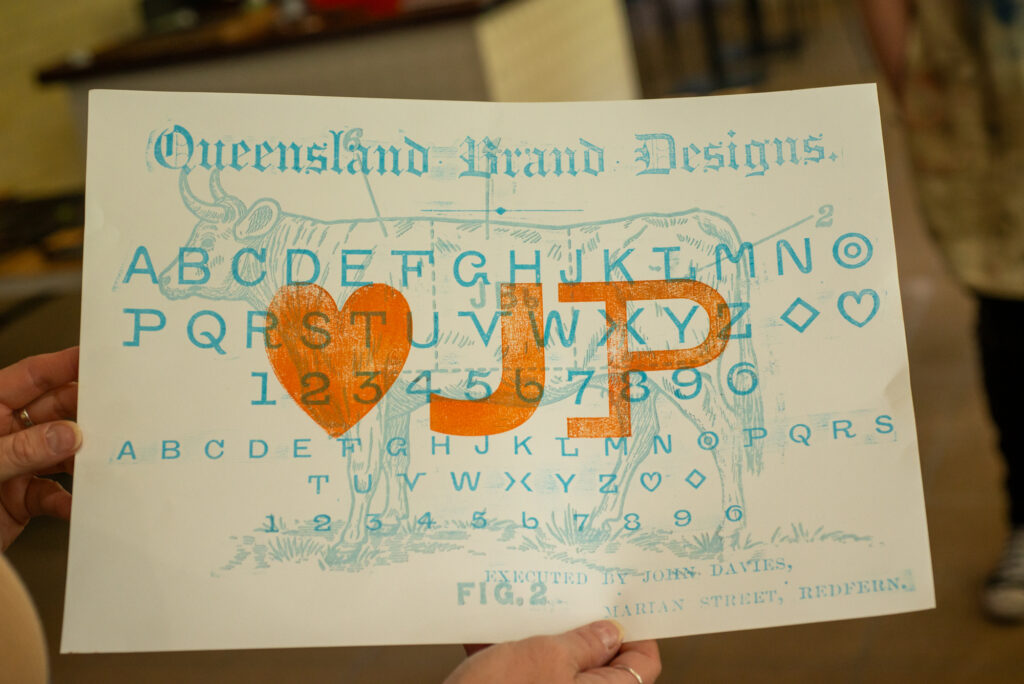
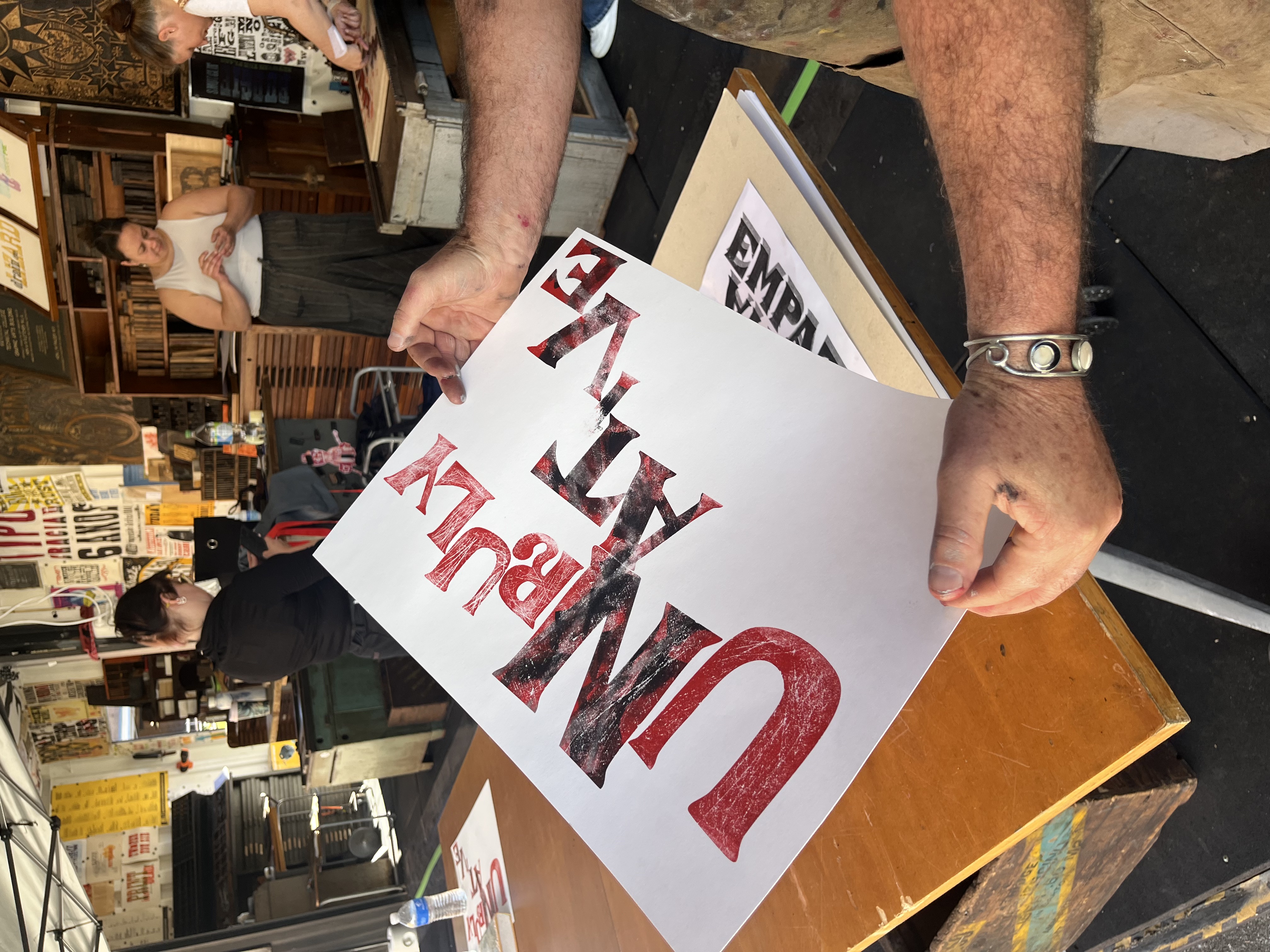
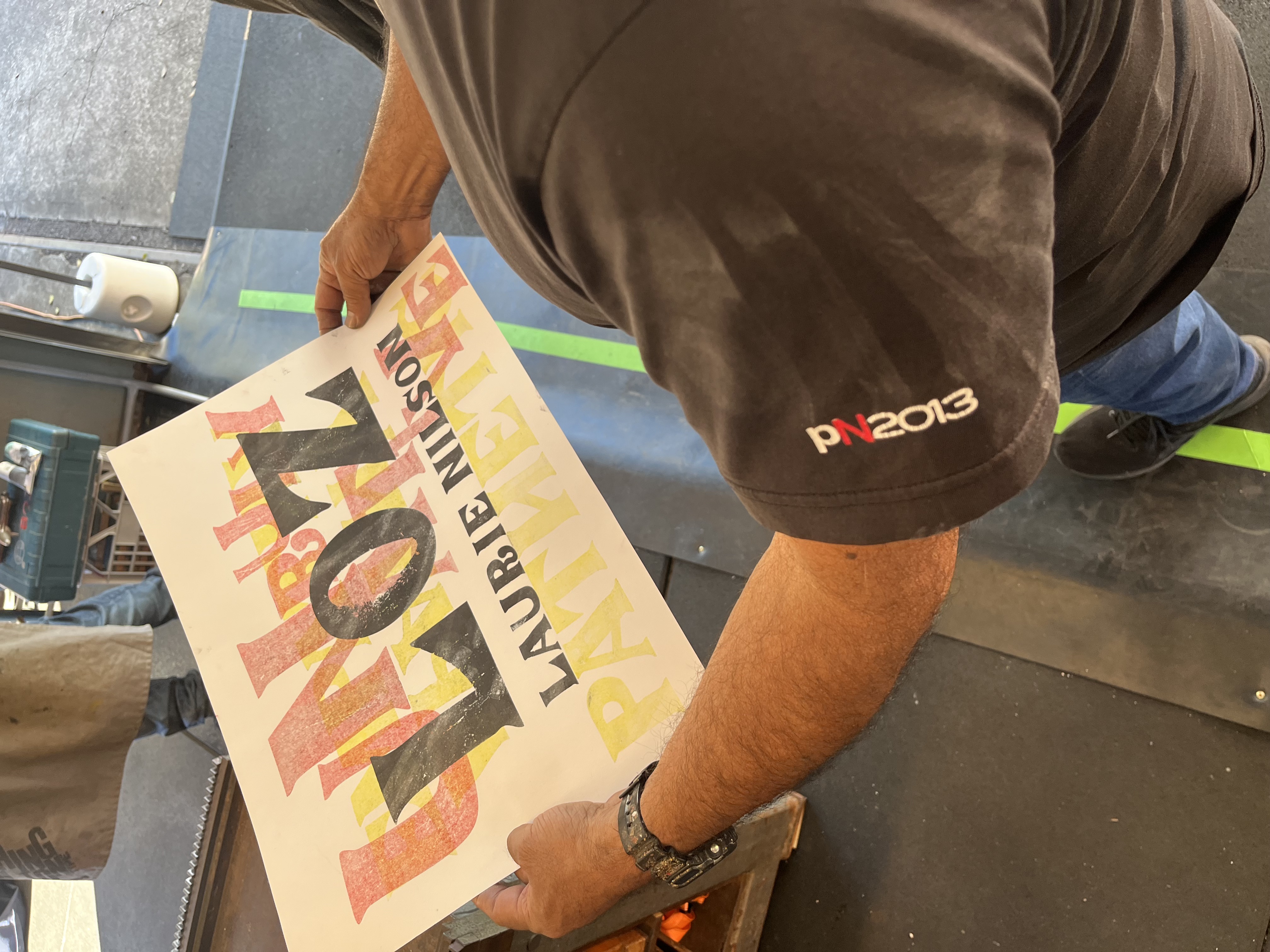
The second pass was the Queensland Brand Designs letterforms themselves, reproduced from a high-resolution scan the State Archives of South Australia generously supplied. Participants overprinted those letterforms onto the beast. The scale of the letters against the animal started to make the whole system legible in a way that no on-screen slide quite achieves. Then came the third pass, and the workshop got personal.
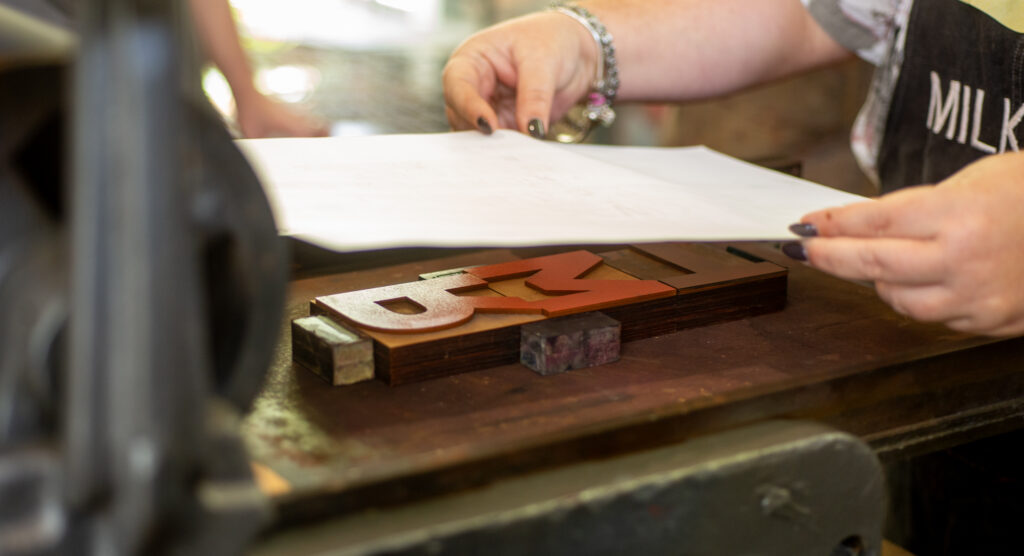
Their own three-piece brand
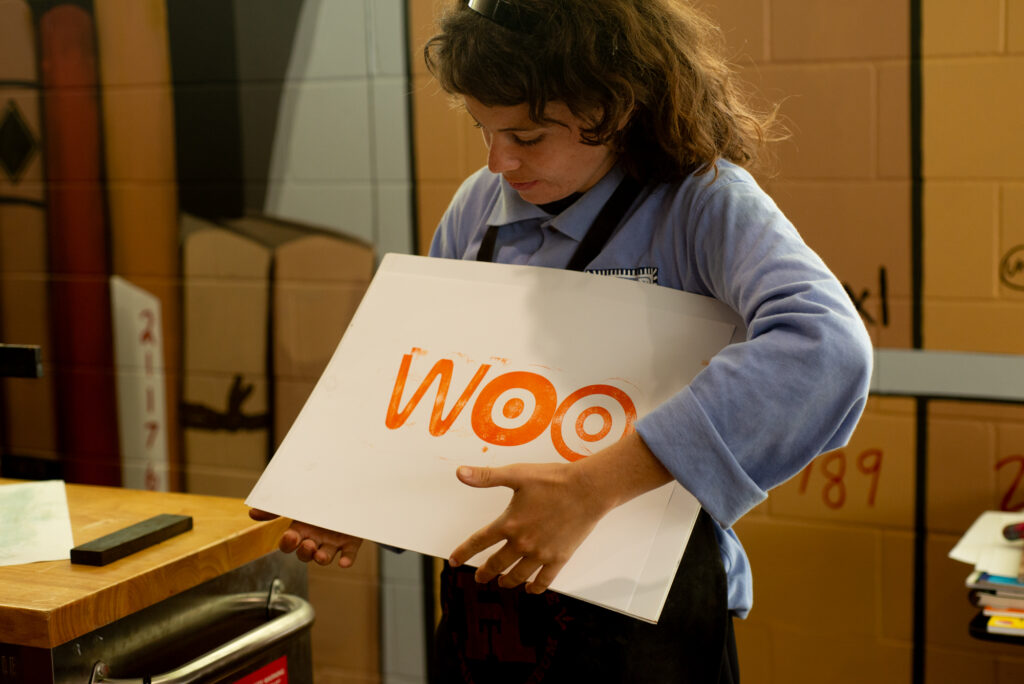
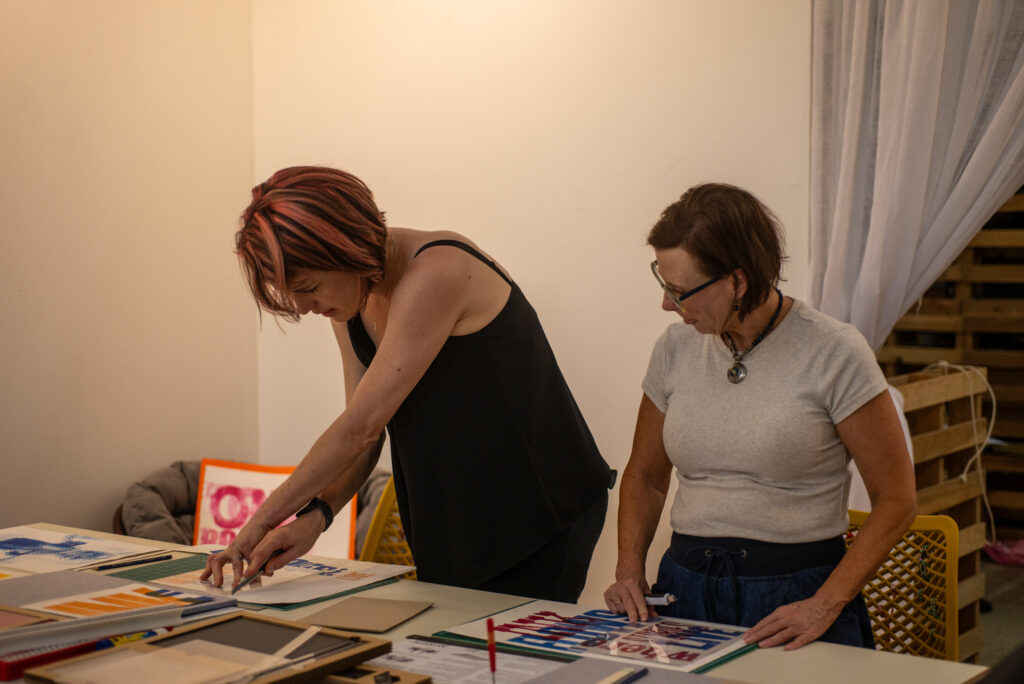
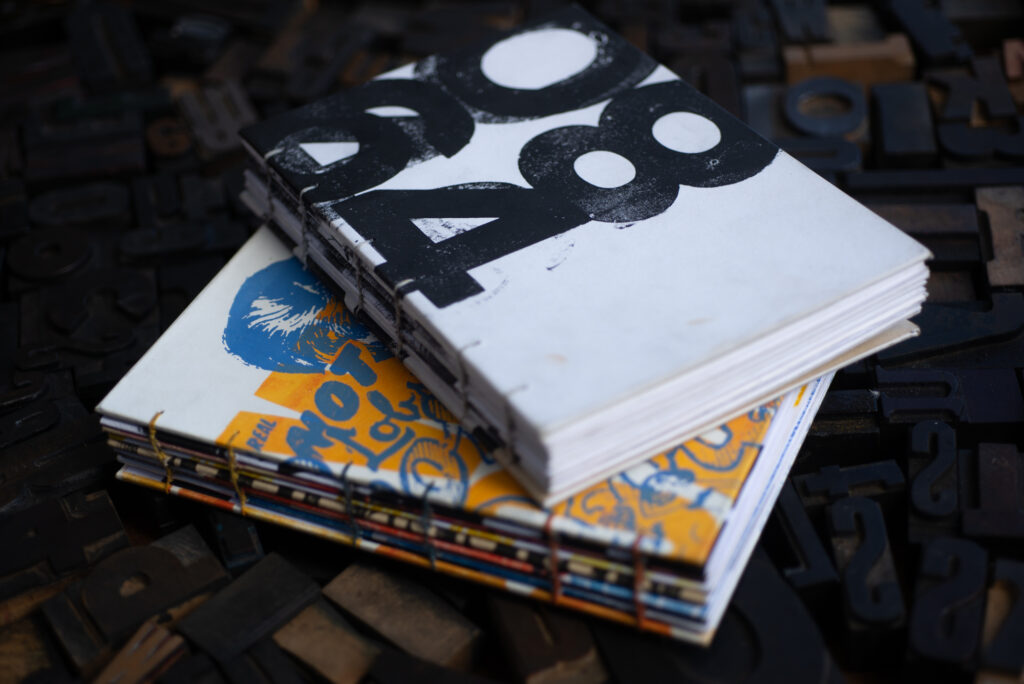
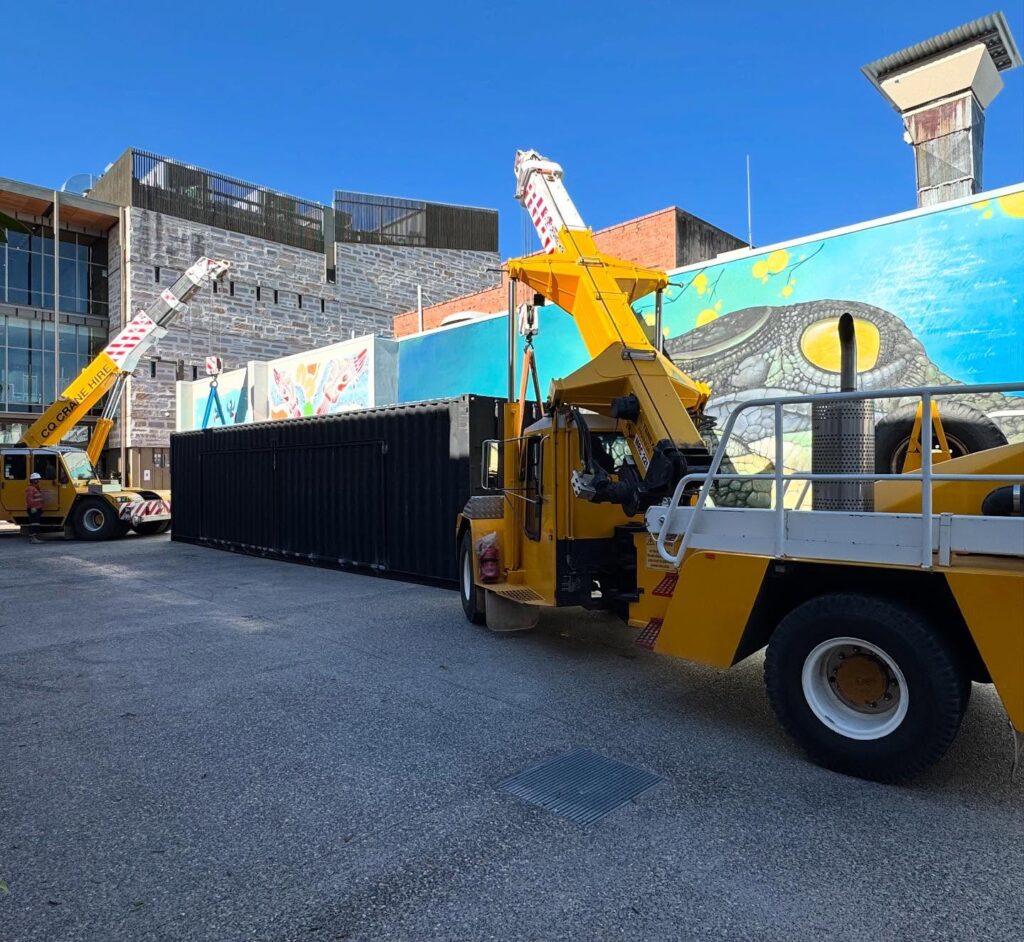
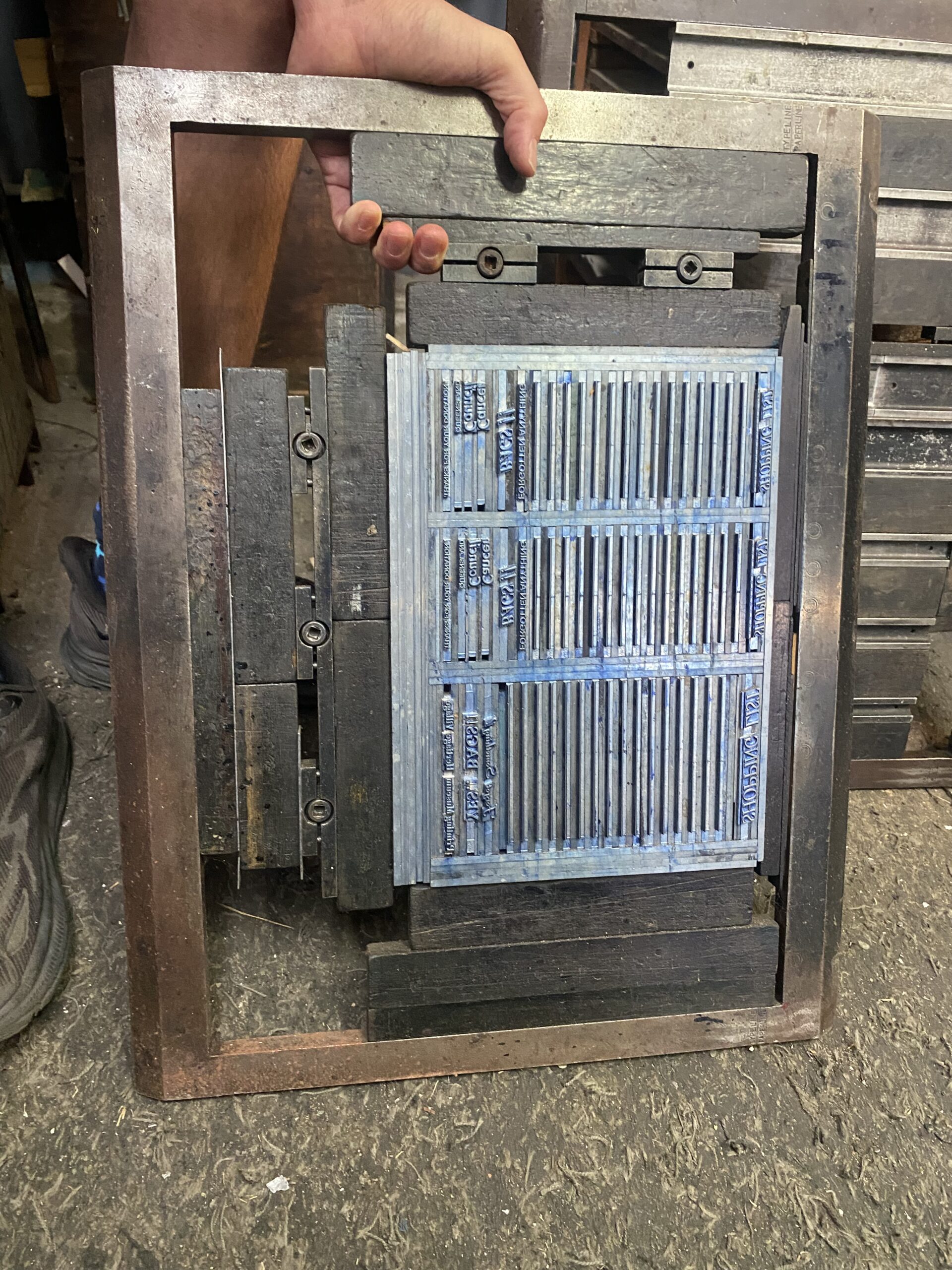
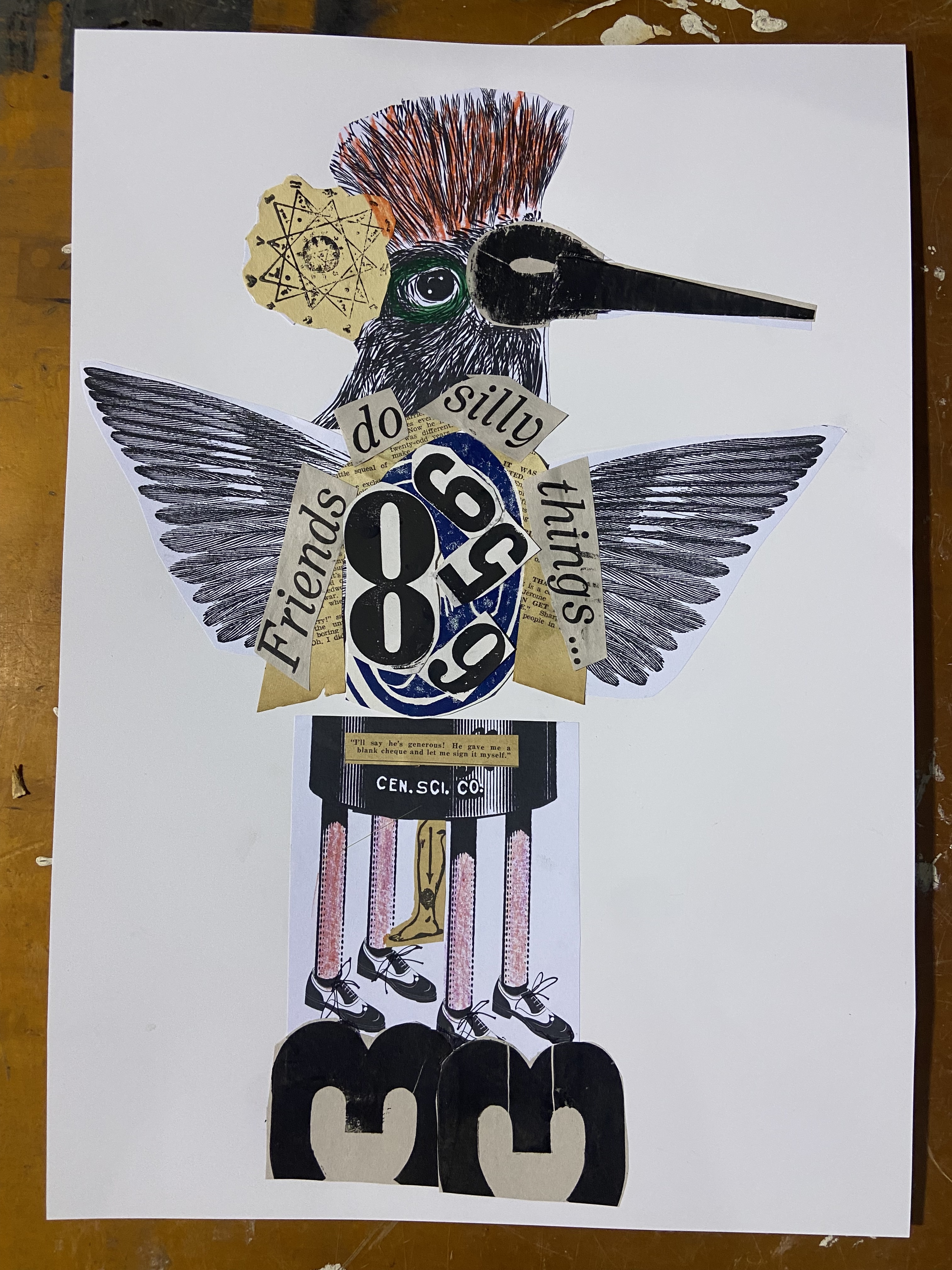
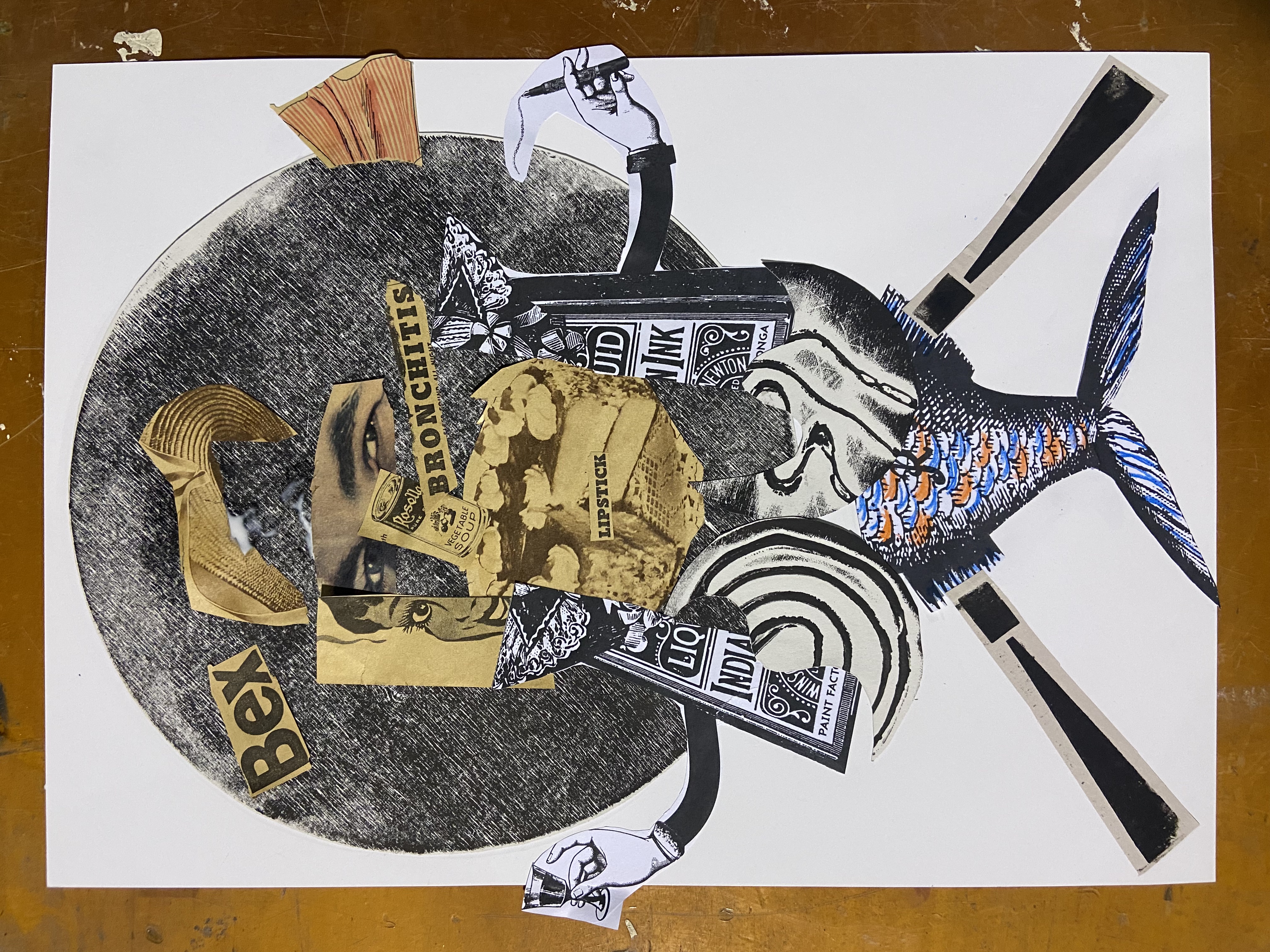
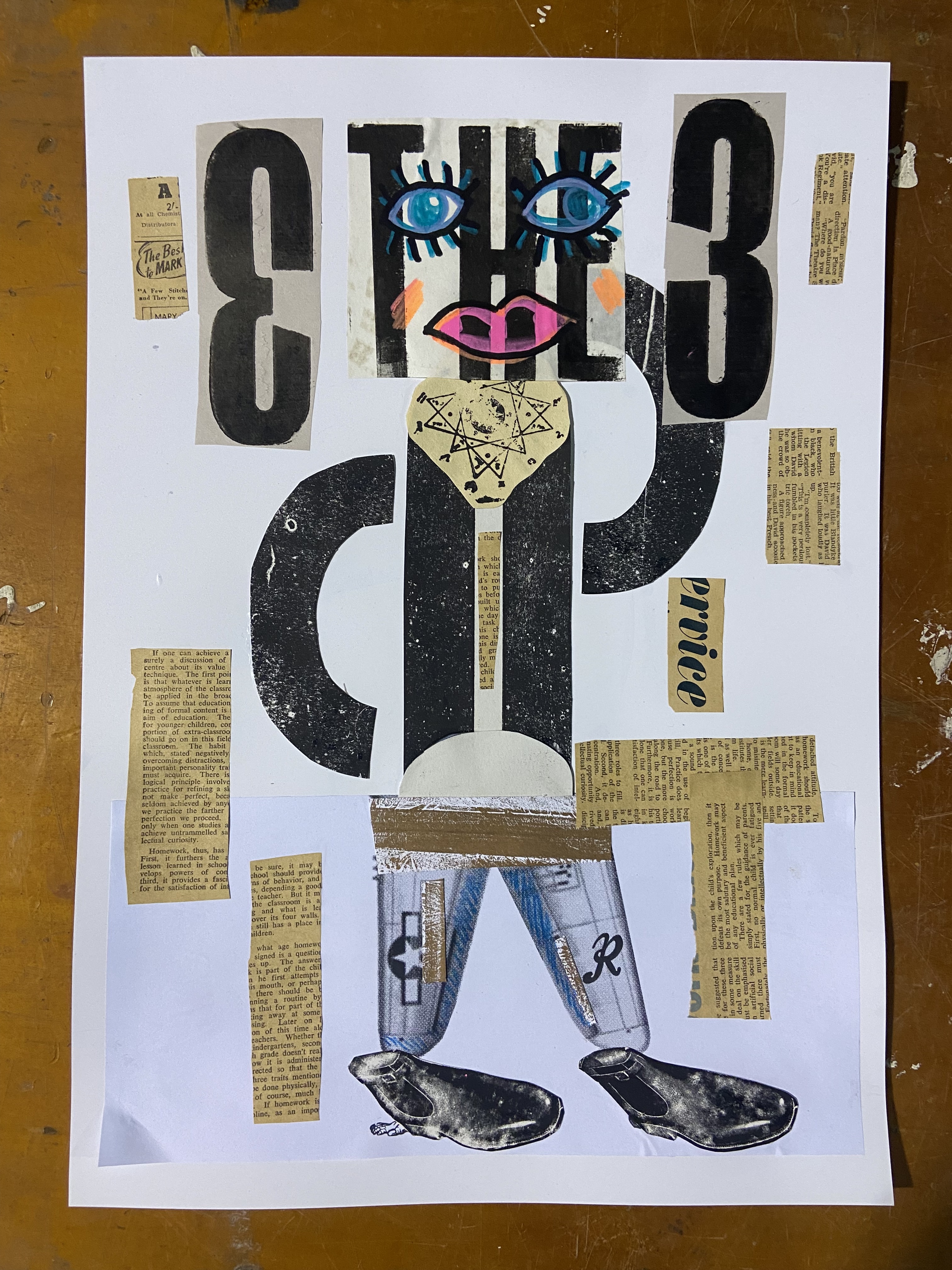
Participants composed their own three-piece brand marks in wood type using both wood type from the MTS container collection, (some of it over a hundred years old), and contemporary laser-cut wood type we produced using the Trotec laser cutter at the Edge Makers space at SLQ, in 2024 designed by Australian type designer Troy Leinster.
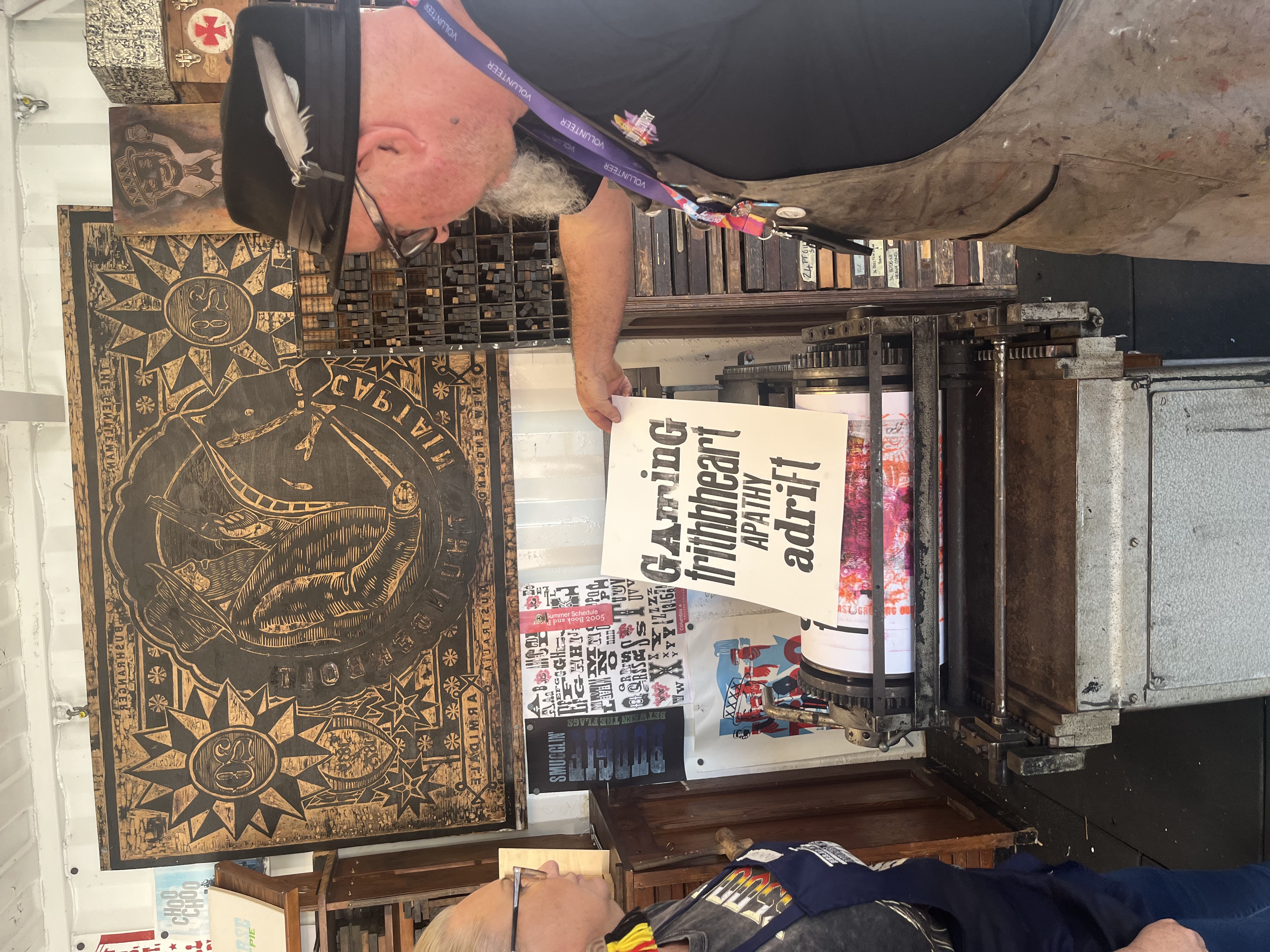
Back in the workshop, Queensland State Archives participants locked up their 3 piece brand marks with magnets in the Poco presses. They overprinted the beast and the Queensland Brand Designs letterforms.
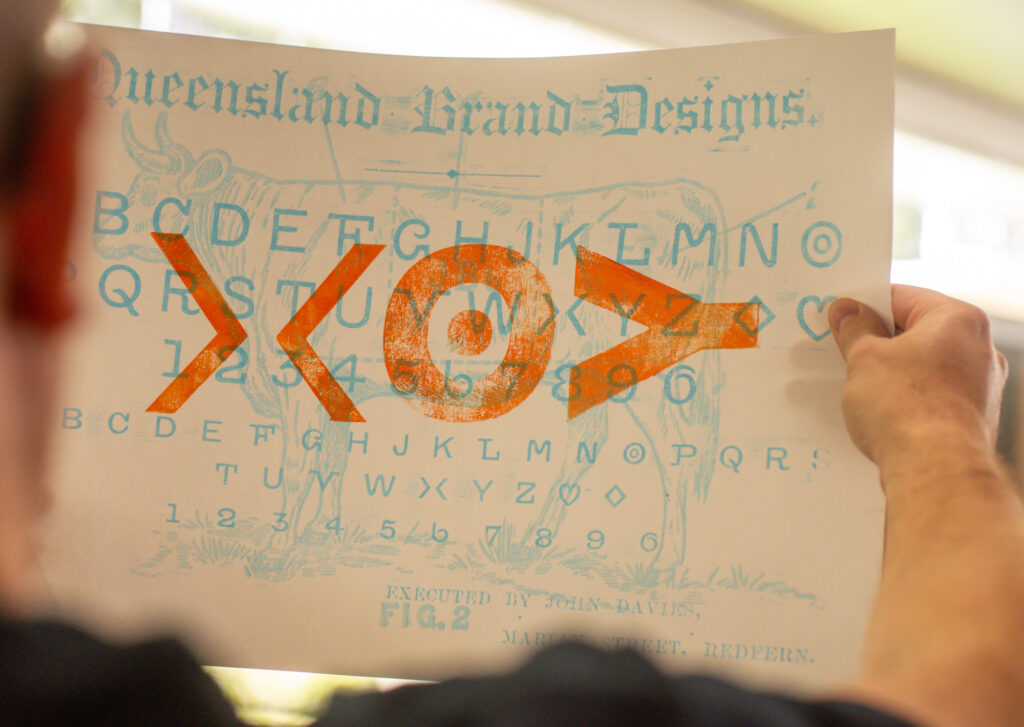
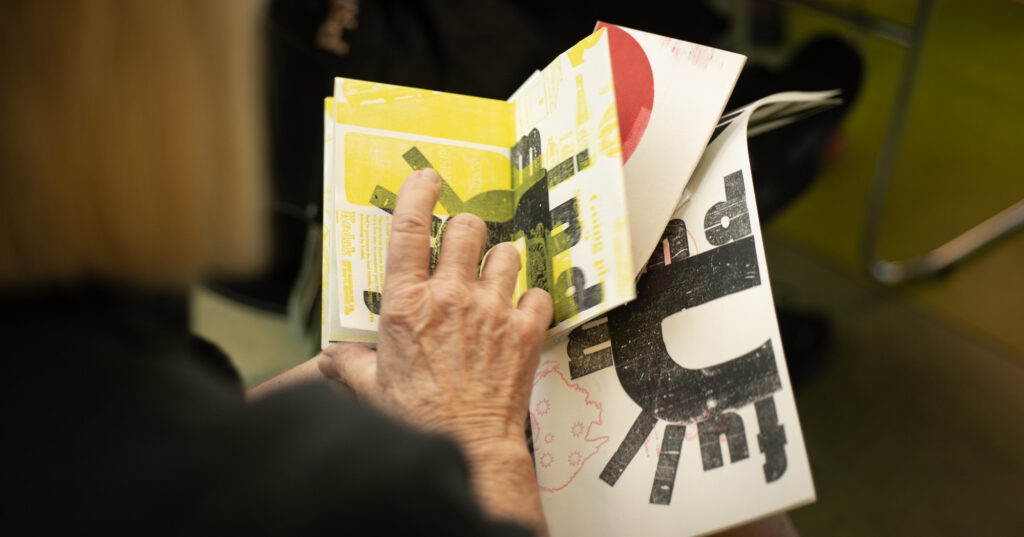
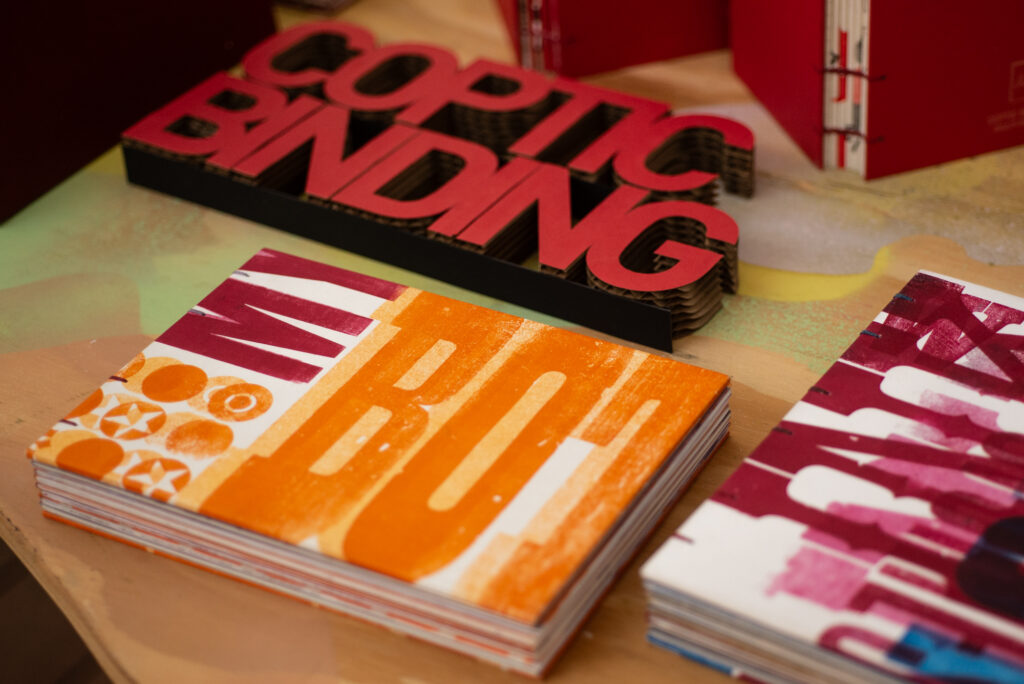
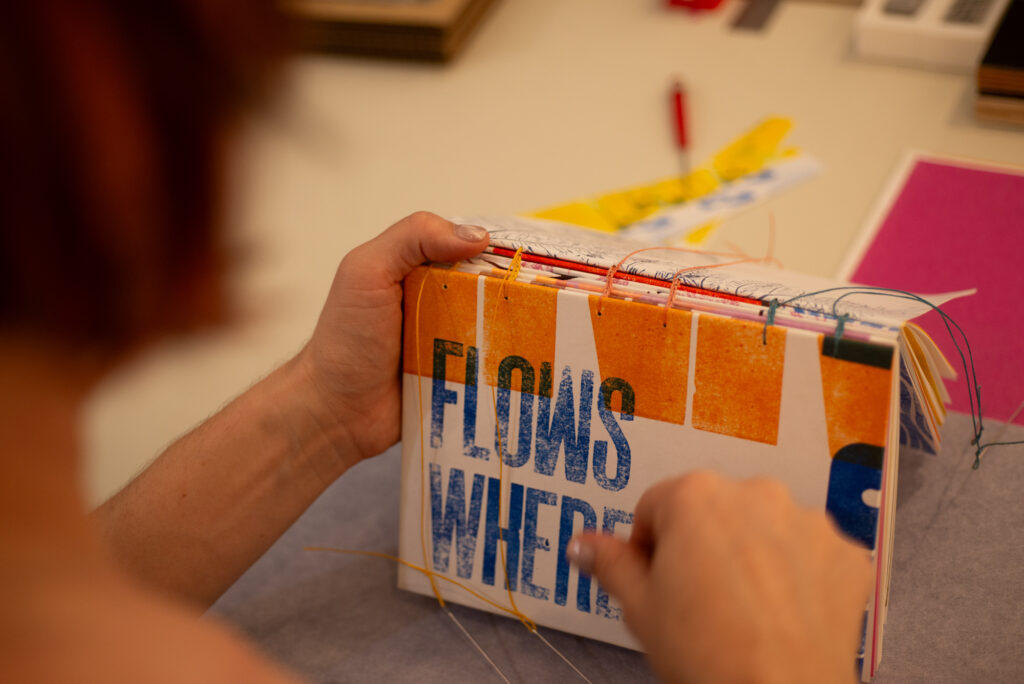
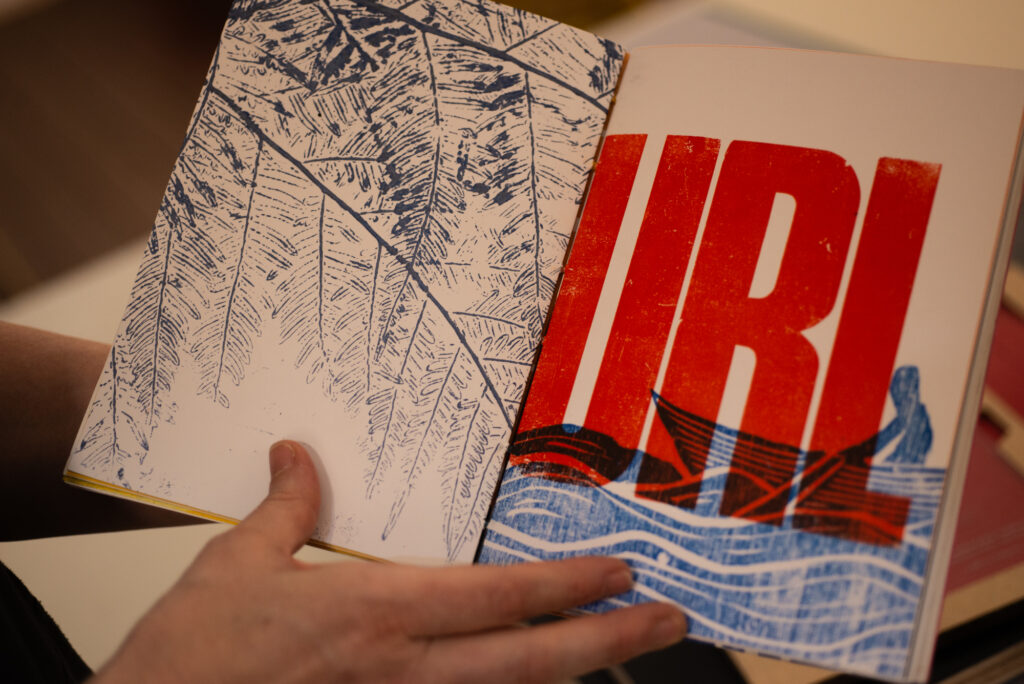
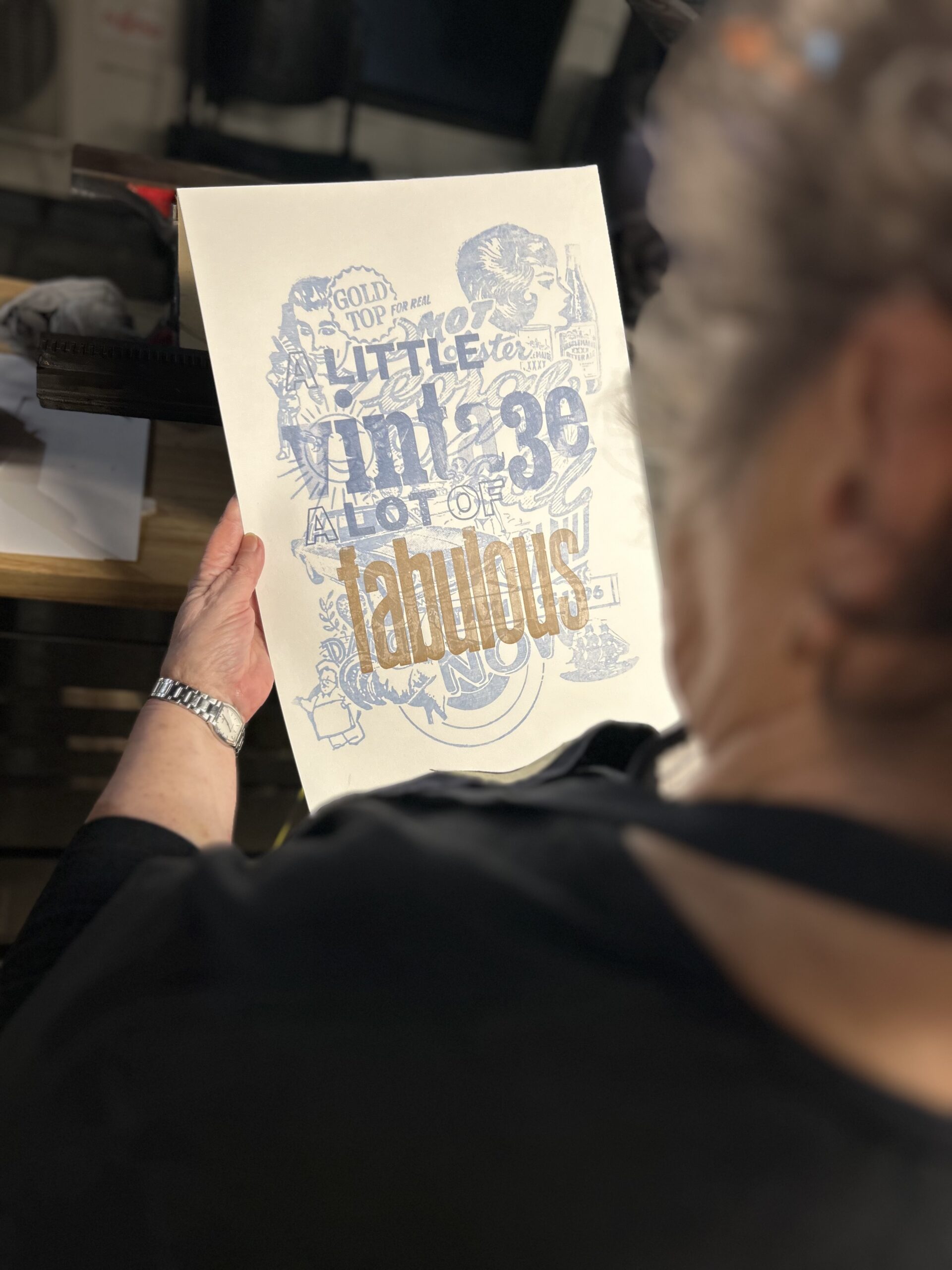
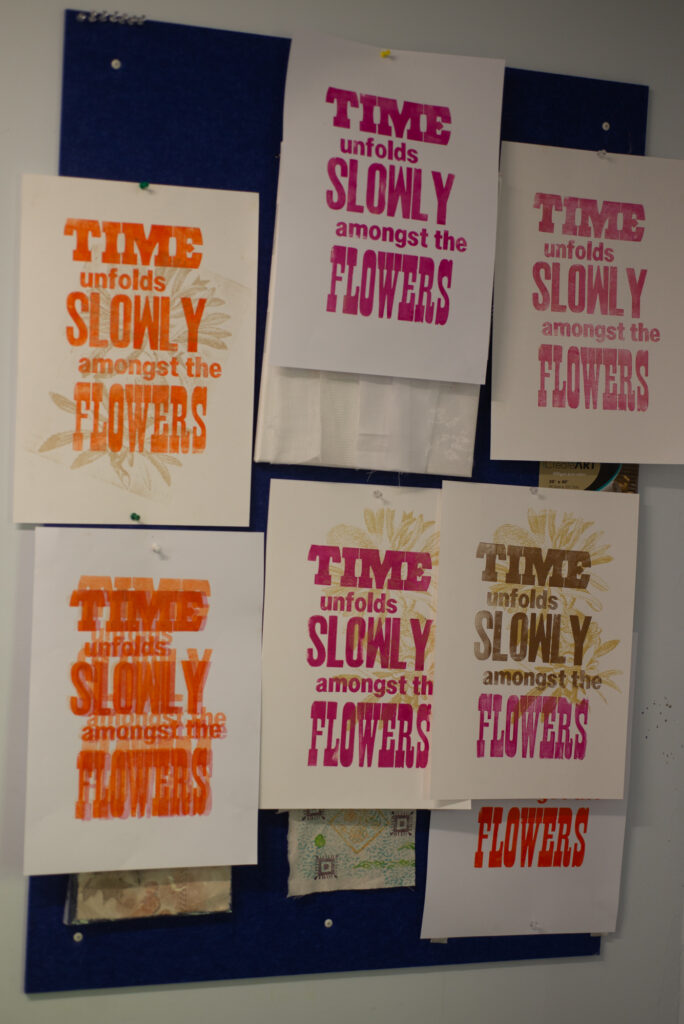
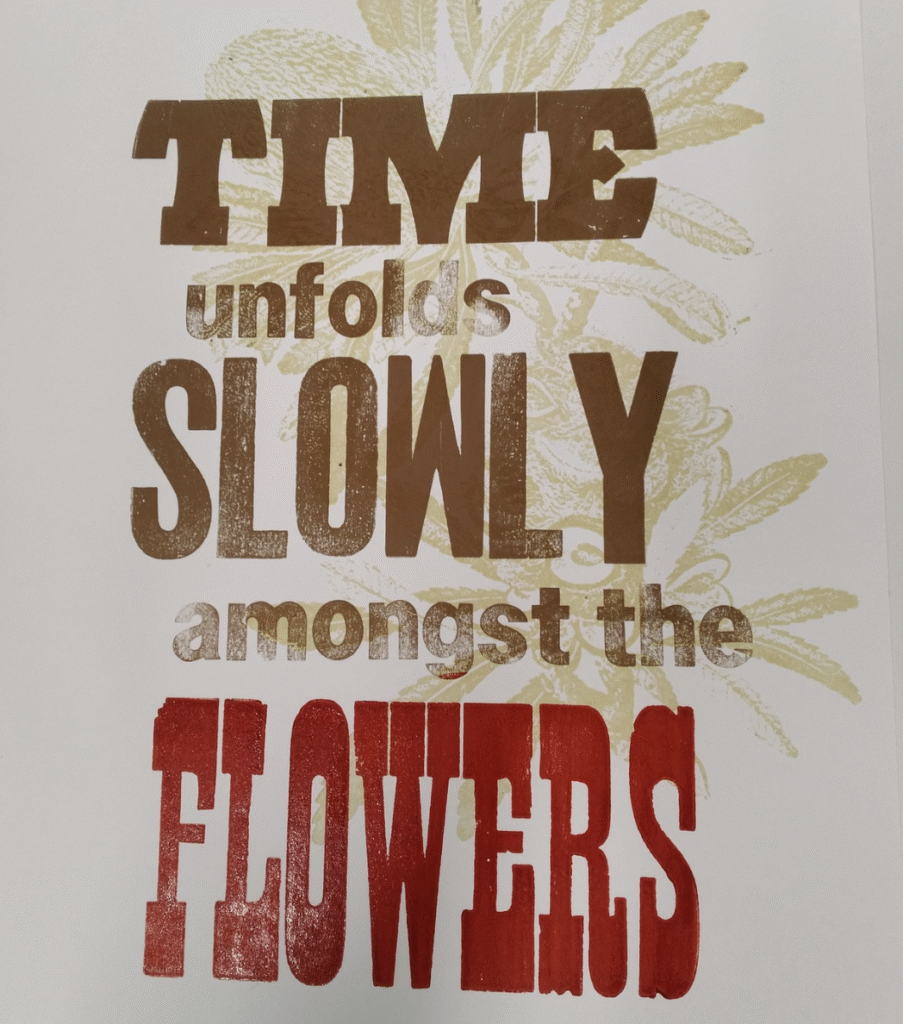
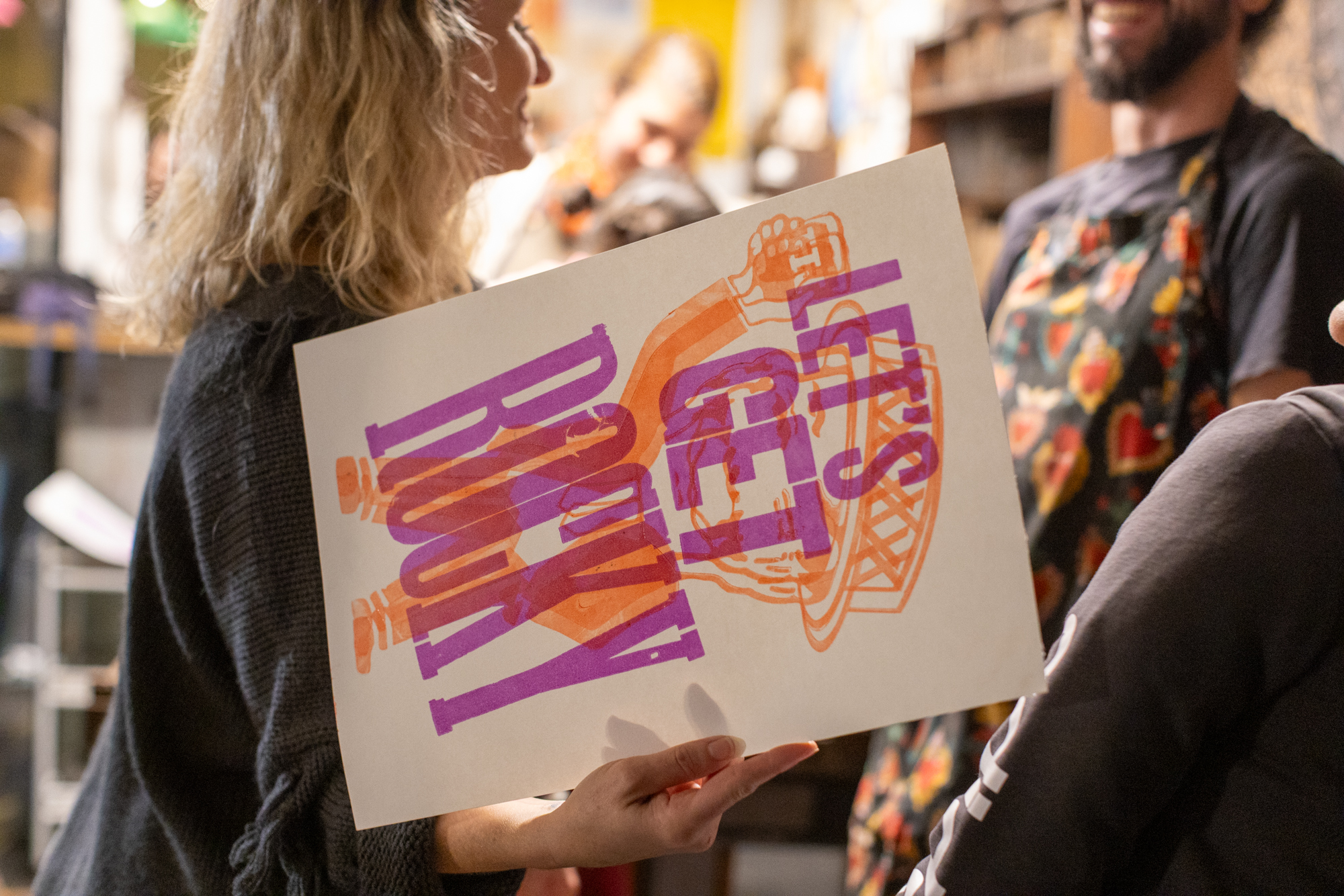
Each participant walked away with a three-colour letterpress print: their own brand mark, sitting over a 150-year-old typographic system, on paper they’d inked and pressed themselves.
Bringing it all home
Days like this are where the parts of what Moveable Type Studio does collapse into one moment. Touring workshops, archival research, public engagement, all happening at the Queensland State Archives.
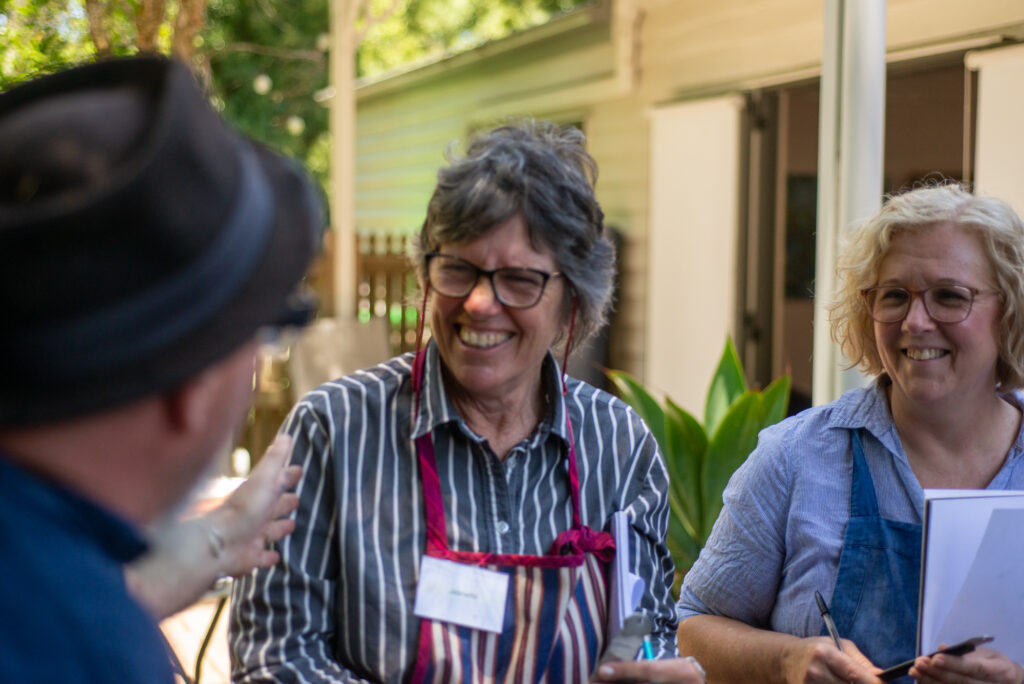
As the morning group had finished, some of the participants lingered at the tables where the brand registers and directories lay open. They started asking questions, not about typography, but about their families. David Patterson assisted the participants in finding a family brand or a property name within the brand registers. People who had walked in to make a print stood looking at their own surname in a government register, in letterforms cast before their grandparents were born.
That is what a collection can do when people can collectively engage. The brand registers had sat as dormant artefacts. For one day they became something a stranger could read, set, ink, and find themselves inside.
The Brands Act was revised in 1915, the Davies font was digitised as a TrueType font in 1996, and the Queensland Brand Designs letterforms remain in circulation for registered livestock brands today. The Morrisseys of Jandowae, four generations of blacksmiths, are still forging them.
Activating the Queensland Brand Designs, with the registers and the Act on the table beside it, showed what a collection can do when you let people handle the story rather than just read it. The research generated real conversation, and gave the Archives a new way to connect people with the records that hold their own history.